Pressure Washing Cost in 2026: What Homeowners Actually Pay
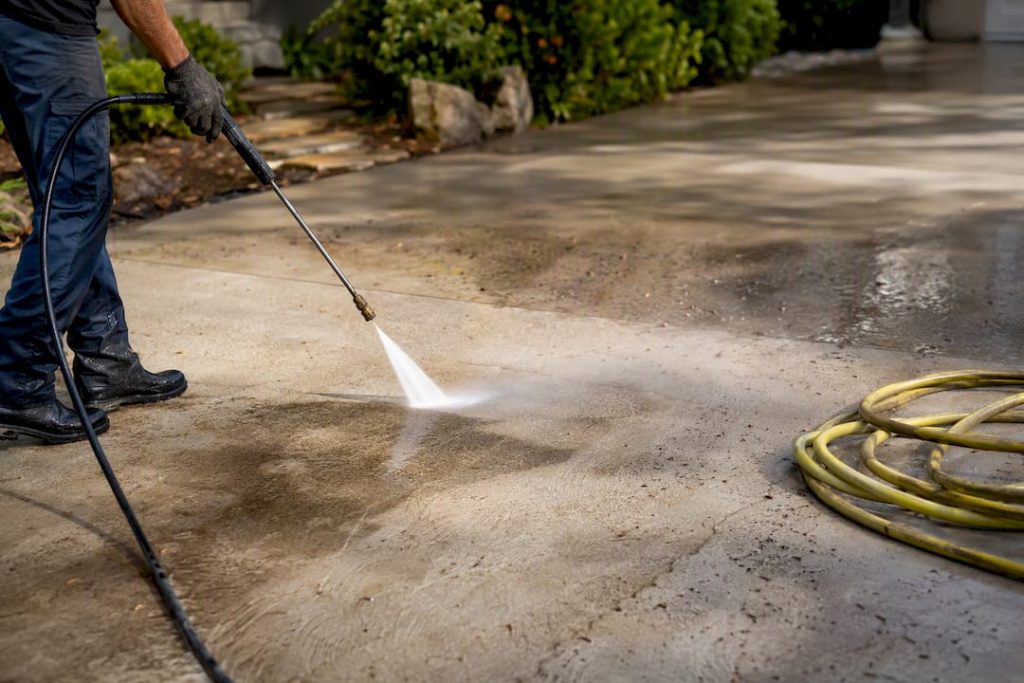
Most homeowners pay around $280 per project for professional pressure washing, with the typical range running $150 to $500 depending on the job’s size, surface type, and where you live, according to CostWhale’s 2026 data. A standard driveway generally costs in the low to mid hundreds of dollars. A single-story house exterior usually costs less than two-story homes, which tend to be more expensive due to height and equipment needs. Wood decks often cost an amount comparable to other residential surfaces in the lower-to-mid range.
Pricing methods vary; contractors may charge by square foot, by the hour, or use flat rates that include minimum fees. These variations mean quotes for similar jobs can differ significantly. Regional factors like cost of living, access difficulty, and the actual dirt level will have a substantial impact on your final price.
Key Takeaways
Pressure washing costs scale with surface sensitivity and access difficulty, not just square footage, so a fair quote should reflect the specific work your property needs.
| Point | Details |
|---|---|
| National average | Most homeowners pay around $280 per project, with a typical range of $150 to $500. |
| Pricing method varies | Contractors bill per square foot ($0.08–$0.50), hourly ($75–$120), or flat rate with a minimum fee. |
| Roofs cost more | Roof cleaning ($300–$700) requires soft washing, which adds chemical and labor time versus driveways. |
| Location shifts price | State averages range from about $260 in Texas to $378 in California, driven by labor and demand. |
| E&R Cleaning Solutions | Provides itemized, transparent quotes for residential and commercial pressure washing and window cleaning. |
Table of Contents
- How Much Does Pressure Washing Cost Per Square Foot Or Hour?
- What Does Pressure Washing Cost By Project Type?
- Why Does Pressure Washing Cost Vary By State?
- What Factors Push Pressure Washing Prices Higher?
- Is It Cheaper To Rent Equipment Or Hire A Pro?
- How Do You Get An Accurate Pressure Washing Quote?
- What Real Pressure Washing Jobs Actually Cost
- Why Lowball Quotes Cost Homeowners More In The Long Run
- Get A Straightforward Pressure Washing Quote From E&R
- Sources
How Much Does Pressure Washing Cost Per Square Foot Or Hour?
Contractors generally price jobs three ways: per square foot, per hour, or as a flat project rate. Understanding which method you’re being quoted lets you compare bids honestly instead of guessing.
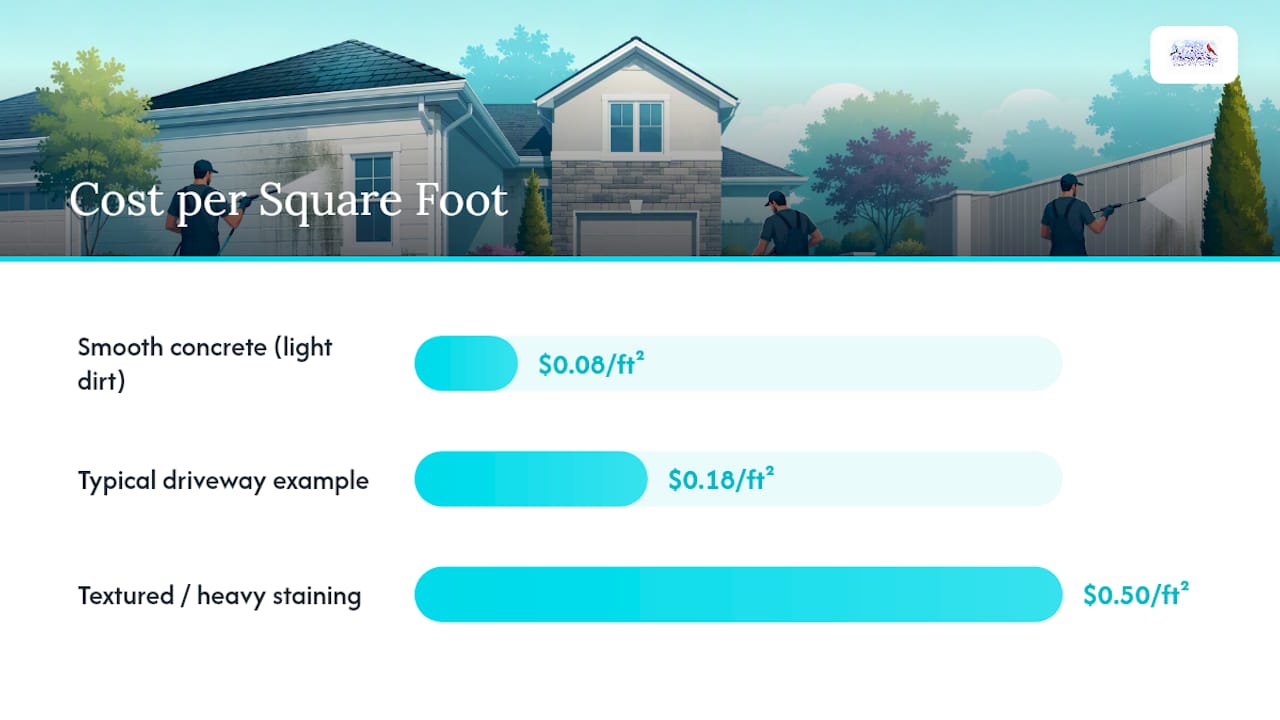
Per-square-foot pricing is the most common approach for flatwork like driveways, sidewalks, and patios. Rates typically run $0.08 to $0.50 per square foot, according to TaskRabbit’s cost data, with the low end covering light dirt on smooth concrete and the high end reflecting heavy staining or textured surfaces that take longer to clean.
Hourly pricing shows up on smaller or more complicated jobs where square footage doesn’t tell the whole story, think a cluttered backyard or a job requiring careful hand work around landscaping. Expect $75 to $90 per hour on average, climbing to $120 per hour for specialty or high-access work, per HMNDP’s pricing guide.
Flat or project pricing covers well-defined jobs like “clean this driveway” or “wash this house,” often bundled with a minimum service fee of $100 to $250 to cover travel and setup on smaller properties.
- Measure the surface area in square feet.
- Multiply by the quoted per-square-foot rate.
- Add any minimum fee if your total falls below it.
A 500 square foot driveway at $0.18 per square foot comes to $90, which is likely why many companies apply a minimum charge instead of billing that low.
Pro Tip: Ask every contractor which pricing model they use before comparing quotes. A $300 flat quote and a $0.15/sq ft quote on a 2,000 sq ft driveway ($300) might be identical, but you won’t know until you do the math.
What Does Pressure Washing Cost By Project Type?
Averages only tell part of the story. Here’s what homeowners typically pay by job, and why the price swings within each range.
- Driveway: $100–$300. Oil stains, tire marks, and rust push you toward the top of the range; a lightly soiled surface stays near the bottom.
- Single-story house exterior: $200–$400. Vinyl and brick clean faster than stucco or textured siding.
- Two-story house exterior: $350–$600. Height alone adds labor time and often requires a ladder or lift.
- Wood deck: $150–$300. Mildew, algae, and old sealant residue add prep time before the actual wash.
- Fence: $150–$400 depending on length, material, and whether it needs sealing afterward.
- Gutters (exterior brightening): $100–$250, more if downspouts are clogged or stained with mineral streaks.
- Roof: $300–$700, and this is where method matters most.
Roof and multi-story jobs sit at the top of most price lists because they demand soft washing rather than high-pressure blasting. Shingles, tile, and delicate siding can crack or lose granules under direct high-pressure spray, so contractors use low-pressure equipment paired with specialized cleaning solutions that kill algae and moss without damaging the surface. That extra chemical cost, plus the added labor time for careful application, is why roof cleaning costs more per square foot than a driveway.
Marketplace data backs up this pattern: aggregated national figures from Pressure Washing Finder’s 2026 report show driveways clustering at the low end of the $150–$500 typical project range, while roofs and multi-story exteriors push toward the high end. If a quote for roof cleaning comes in suspiciously close to driveway pricing, ask what method they’re actually using.
Why Does Pressure Washing Cost Vary By State?
Where you live changes your price more than most homeowners expect. CostWhale’s state-level data shows California averaging around $378 per project, New York close behind at roughly $370, and Texas noticeably lower at about $260. That’s not a small gap. It’s the difference between a mid-range driveway job and a full house wash.
Three forces drive that spread:
- Labor and cost of living. States with higher wages and business insurance costs pass those expenses through to the customer.
- Demand and seasonality. Spring, roughly March through May, is peak season in most of the country, and tighter contractor availability during that window tends to push prices up.
- Fuel and travel costs. Rural properties or areas with sparse contractor coverage often carry a travel premium built into the quote.
National averages are a useful starting point, not a promise. Getting two or three local quotes will tell you far more about what’s realistic in your specific city than any nationwide figure ever will.
What Factors Push Pressure Washing Prices Higher?
A handful of property-specific details separate a $150 quote from a $500 one. Walking through your own property with this list before calling anyone will help you set realistic expectations.
- Surface type and sensitivity. Concrete and brick tolerate high pressure; wood, stucco, vinyl siding, and roofing materials need soft washing instead, which adds chemical cost but protects against cracking, etching, or granule loss. Consumer Reports specifically recommends soft-wash methods for delicate siding and roofing to avoid this kind of damage.
- Stain severity. Algae rinses off fast. Oil, rust, and years-old tire marks require degreasers or acid-based treatments with longer dwell times, which adds labor.
- Height and access. Second-story work, steep rooflines, or fenced backyards without gate access mean ladders, lifts, or extra setup time, all of which show up in the final invoice.
- Prep and cleanup. Covering plants, moving furniture, and rinsing runoff responsibly all take time that a bare-bones quote might not include.
- Timing. Emergency requests, weekend slots, or off-season rush jobs sometimes carry a premium over a standard scheduled appointment.
Pro Tip: If a quote seems unusually low, ask directly whether it includes surface protection and proper chemical dwell time. Industry guidance from Housecall Pro notes that rock-bottom prices often skip these steps entirely, which either shows up as damage later or as a surprise add-on before the crew leaves.
Is It Cheaper To Rent Equipment Or Hire A Pro?
Renting a consumer-grade pressure washer typically runs $50 to $100 a day, and buying one outright can cost anywhere from $150 for a basic electric unit to $600 or more for a gas-powered machine with real cleaning power. Compare that to a professional invoice averaging $280 per project, and the math looks appealing for DIY, until you factor in your own time and the risk of getting it wrong.
- Calculate your real cost. A rental plus your own labor for a full Saturday might save $100 to $150 versus hiring out, but only if nothing goes wrong.
- Weigh the damage risk. Consumer machines in inexperienced hands can etch concrete, strip paint, force water behind siding, or crack roof shingles. A botched DIY roof job can void a shingle warranty entirely.
- Know when DIY makes sense. Small patios, low-pressure jobs on durable concrete, and light seasonal touch-ups are reasonable candidates for renting. Anything involving a roof, a second story, or delicate siding belongs with a professional every time.
If you’re leaning toward doing it yourself on a smaller area, a step-by-step walkway guide walks through the safer approach before you start.
How Do You Get An Accurate Pressure Washing Quote?
A reliable quote depends on giving contractors enough detail upfront, and on knowing which questions expose a vague or unreliable bid before you sign anything.
What to provide:
- Clear photos of the surfaces you want cleaned, including visible stains
- Approximate square footage for driveways, patios, or siding
- Surface materials (concrete, wood, vinyl, stucco, shingle roofing)
- Notes on water access and parking for the crew
What to ask:
- Are you licensed and insured?
- Will this job use soft washing or high pressure, and why?
- What chemicals do you use, and is dwell time included in the price?
- What’s your minimum fee, and does the quote include cleanup?
- Do you guarantee the results?
Red flags to watch for: a refusal to visit the property before quoting, no proof of insurance, a scope described in one vague sentence, or a price dramatically below every other bid you’ve collected. Housecall Pro’s pricing guidance points out that legitimate contractors build quotes from real costs, labor, chemicals, equipment, and a margin, so an unusually cheap number usually means something’s being skipped.
Pro Tip: A short, specific email works better than a phone call for comparing quotes. Try: “I need a driveway and front walkway cleaned, roughly 600 sq ft of concrete with some oil staining near the garage. Can you provide an itemized estimate including any minimum fee?” That one message filters out contractors who won’t give you a real number.
What Real Pressure Washing Jobs Actually Cost
Numbers on a page only go so far. Here’s how pricing plays out on actual properties E&R Cleaning Solutions has quoted.
One recent job involved a two-story home with moderate algae staining on vinyl siding and a moss-covered asphalt shingle roof. Because the siding and roof both called for soft washing rather than high pressure, the final price landed near the top of the typical two-story range, reflecting the extra chemical treatment and dwell time needed to lift the algae safely.
A second job, a standard concrete driveway with light tire marks and no oil staining, priced out much closer to the low end of the driveway range since it needed nothing beyond a standard hot-water rinse.
Transparent, itemized quotes aren’t a courtesy, they’re how you avoid disputes after the job is done. When a customer can see exactly what they’re paying for prep, chemicals, and labor, there’s no confusion when the invoice arrives.
E&R Cleaning Solutions builds every estimate around the specific surface, stain level, and access challenges of that property rather than a generic per-project number.
Why Lowball Quotes Cost Homeowners More In The Long Run
The biggest misconception in this industry isn’t about price, it’s about what price actually buys. A $120 quote and a $280 quote for the same driveway aren’t the same service with different markups. They’re usually two different scopes of work wearing the same label.
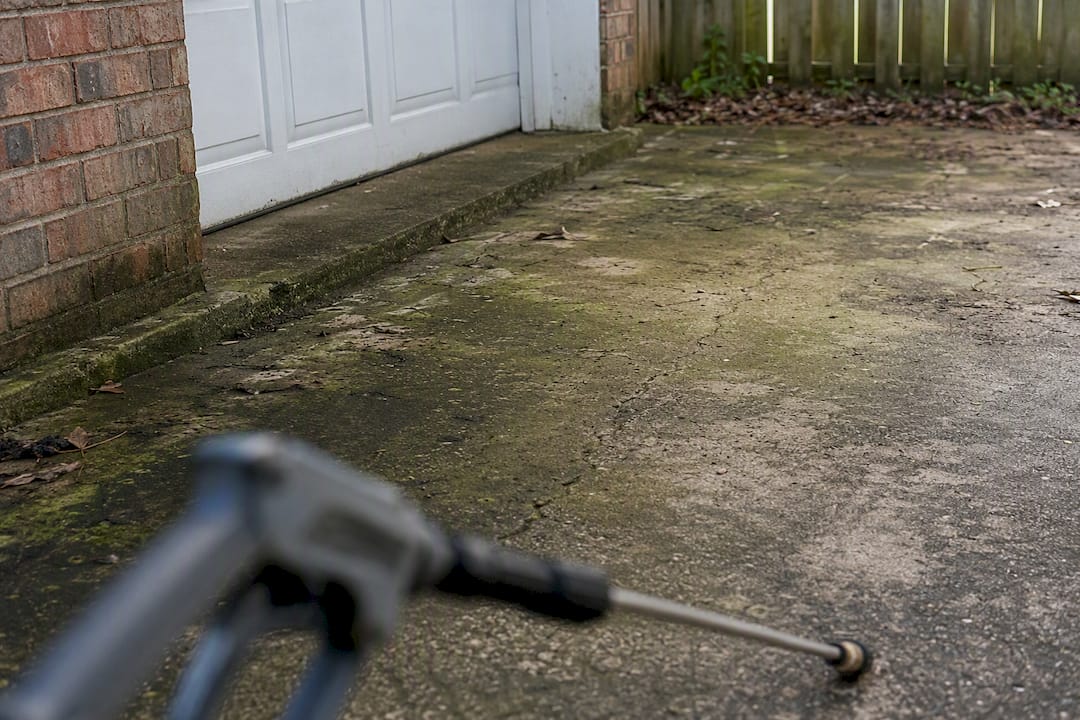
Conventional advice tells homeowners to “get three quotes and pick the cheapest reasonable one.” That’s incomplete. The better move is to get three itemized quotes and compare what’s actually included, prep work, chemical treatment, surface protection, insurance coverage, before comparing dollar figures. A cheap quote that skips surface protection on a stucco exterior can cost far more once you’re paying to fix etching or water intrusion.
What should homeowners prioritize first? Match the pricing method to the job. A per-square-foot quote makes sense for a driveway. A flat rate makes more sense for a roof, where soft-wash labor and dwell time matter more than raw square footage. Understanding that distinction, more than chasing the lowest number, is what actually protects your property and your budget.
— Richard
Get A Straightforward Pressure Washing Quote From E&R
E&R Cleaning Solutions is a family-run alternative to the guess-and-hope pricing that makes this industry frustrating to shop for. As a residential and commercial provider handling both pressure washing and window cleaning, the team quotes every job, driveways, siding, roofs, decks, with an itemized breakdown before any work starts, so you know exactly what you’re paying for and why.
That matters most on the jobs where corner-cutting is easiest to hide: soft-wash roof work, two-story siding, and combined window-and-exterior projects where a vague quote can leave out prep or protection steps entirely. E&R’s pricing reflects the actual surface, stain level, and access difficulty on your property, not a generic flat number pulled from a price sheet.
If you’re ready to compare a real number against the ranges in this guide, request an itemized estimate for your driveway, house exterior, or roof. E&R serves residential and commercial properties throughout its local service area with flexible scheduling for one-time and recurring jobs.
Sources
- CostWhale — Pressure Washing cost (2026)
- TaskRabbit — How Much Does Pressure Washing Cost?
- Housecall Pro — How to price pressure washing jobs (2026)
- HMNDP — How much does pressure washing cost? (2026)