
Soffit and Fascia Cleaning: Reduce Ladder Use for Homeowners and Pros
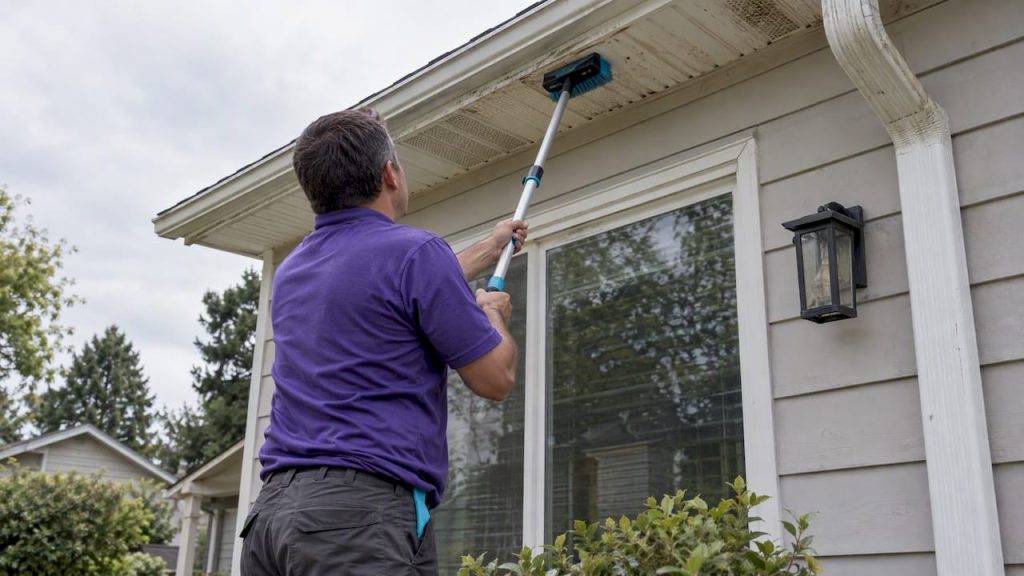
Clean your soffits and fascia whenever you see dirt, mold, or staining, and start from the ground with a soft wash or low-pressure rinse. Water-fed poles keep you off ladders, and when a ladder is unavoidable, follow OSHA guidance. Match your pressure and product to the material, because vinyl and aluminum tolerate far more than painted wood.
TL;DR:
- Use low pressure on durable surfaces, but avoid washing flaking paint, old wood, or thin vinyl, which can force water into vents.
- For stubborn mildew, use a labeled bleach solution, never mix it with ammonia, and wear gloves, eye protection, and a respirator in a ventilated area.
- Recurring stains often point to moisture from blocked vents, gutter overflow, or leaks, so clean the surface and check the roofline and attic airflow.
- Hire a professional for steep rooflines, attic mold, fragile finishes, or lift access, and confirm insurance plus any guarantee for streaks or residue.
Table of Contents
- What tools and cleaners do you need for soffit and fascia cleaning?
- How do you clean soffits and fascia step by step?
- How do you stay safe when cleaning at height?
- What causes mold and staining on soffits and fascia?
- When is the best time to clean, and how often?
- When should you hire a professional?
- Why we clean from the ground up
- Let us handle your soffits and fascia
- FAQ
- Sources
What tools and cleaners do you need for soffit and fascia cleaning?
A ground-first toolkit keeps the job safe and the results consistent. Pros use water-fed pole systems with soft brushes, such as the Gardiner pole systems, because they reduce ladder use and let you rinse with purified water.
- A water-fed pole with a soft-bristled brush and purified water for rinsing
- A garden sprayer or soft-wash setup for applying cleaner evenly
- Mild detergent without ammonia for routine grime
- An oxygen-based cleaner for light mildew and general staining
- Diluted bleach for stubborn mold, used strictly per the label and never mixed with ammonia
- Gloves, eye protection, and a respirator when mixing bleach or working near visible mold
If you use a pressure washer, keep it on a wide fan nozzle and the lowest setting that works, and hold it well back from the surface. Skip it entirely on flaking paint, old wood, and thin vinyl, where even moderate pressure can force water into vents or strip finishes.
Pro Tip: Test any cleaner on a hidden corner first and let it dry, so you see the true result before treating the whole run.
How do you clean soffits and fascia step by step?
This workflow gives predictable results for crews and homeowners alike.
- Inspect first. Identify the material (vinyl, aluminum, or painted wood), note paint condition, and locate vents and any cracked or soft spots.
- Protect the site. Cover outdoor outlets and light fixtures, wet down nearby plants, and block runoff from reaching storm drains or garden beds.
- Pre-wet the surface gently from the ground so cleaner does not soak in unevenly.
- Apply your cleaner according to the product directions, working in manageable sections so nothing dries on the surface.
- Let it dwell for the time on the label, then agitate with a soft brush on a pole. Heavy scrubbing is rarely needed if the dwell time is respected.
- Rinse from the top down with low pressure or purified water, flushing all residue out of seams and corners.
- Spot-treat stubborn mildew with a labeled bleach solution. UMN Extension’s mold guidance recommends scrubbing with a stiff brush and a non-ammonia detergent, disinfecting per label directions, rinsing thoroughly, and letting surfaces air dry, with good ventilation whenever bleach is involved.
- Avoid over-saturating attic vents. Angle your spray along the vent slots, not into them.
- Do a final check. Confirm the vent slots are clear, no residue or streaks remain, and the fascia looks even from several angles.
How do you stay safe when cleaning at height?
Work at height is the biggest hazard in this job, which is why professionals move the work to the ground whenever they can. A water-fed pole removes most reasons to climb at all.
When a ladder is unavoidable, OSHA’s extension ladder fact sheet stresses stable footing, three-point contact, and inspecting the ladder before every use. Use appropriate access equipment, and avoid climbing if you cannot work safely.
- Keep three points of contact while climbing.
- Set the ladder on firm, level ground and confirm it is secure before climbing.
- Choose scaffolding or a lift for long runs, steep grades, or multi-story rooflines instead of repositioning a ladder repeatedly.
- Wear eye protection and gloves, and add a respirator when mixing bleach.
- Never mix bleach with ammonia, and keep the area ventilated.
Pro Tip: Inspect the ladder and its feet before climbing, and keep your hands free while using it.
What causes mold and staining on soffits and fascia?
Cleaning removes the symptom, but moisture is usually the cause. UMN Extension explains that excess moisture trapped in the home, often from poor attic ventilation or roof and plumbing leaks, shows up as peeling paint, mold on interior and exterior surfaces, and roof deck deterioration.
Other common sources include:
- Gutter overflow that soaks the fascia board repeatedly
- Bird droppings that stain and hold moisture against the surface
- Overhanging trees that drop debris and keep the eaves shaded and damp
- Blocked soffit vents, which you can check for with a quick attic diagnosis of blocked soffit vents
Your remediation checklist: clean the surfaces, clear every ventilation slot, and inspect for leaks. If vents keep clogging, this comparison of soffit and gable vents explains how blocked soffits throw off attic airflow.
When is the best time to clean, and how often?
Clean when you notice dirt, mold, or staining, and consider timing the work around seasonal debris and moisture. Cleaning around seasonal debris and moisture catches winter moisture growth early and clears autumn leaf debris before it sits on damp surfaces. If you are planning a full exterior wash, our guidance on spring house washing explains why low pressure matters.
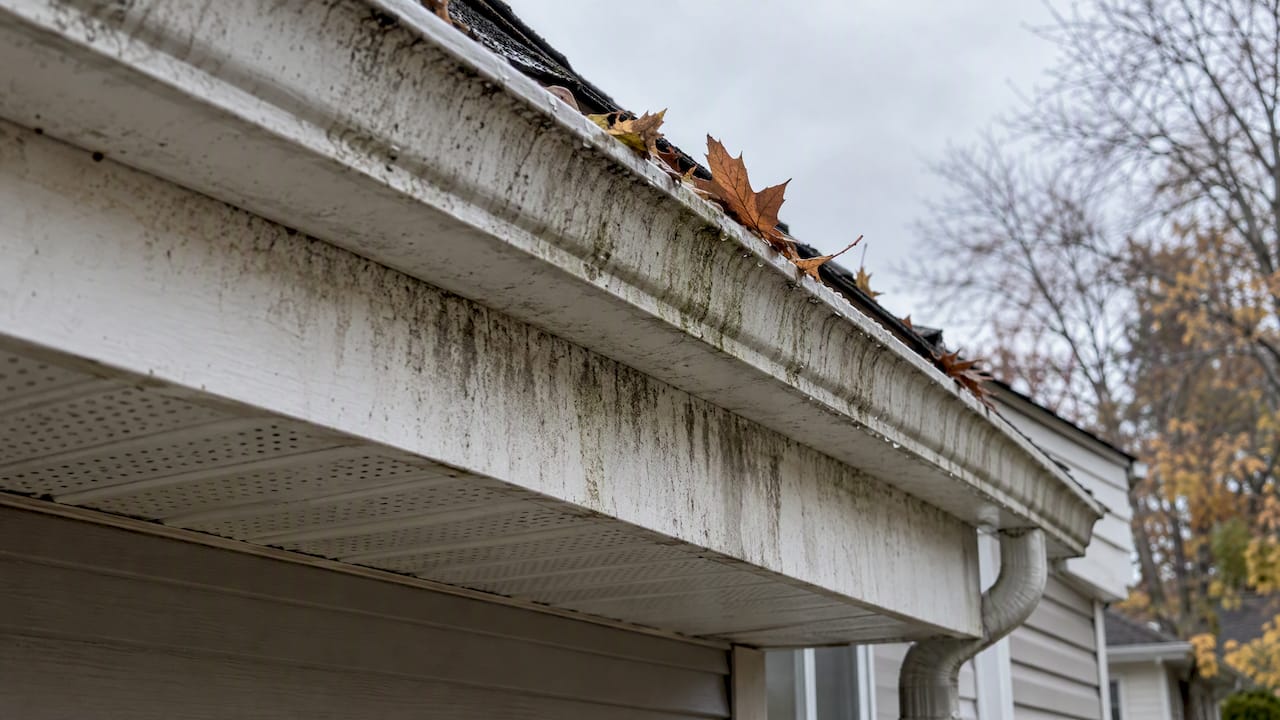
Pick a mild, overcast day. Direct, hot sun dries cleaner too fast and leaves streaks, so work the shaded sides during the hottest hours. Humid climates and heavily shaded lots may need attention more often, since mold finds those conditions ideal. Pair the job with gutter cleaning and a quick roof check so you service the whole roofline in one visit.
When should you hire a professional?
Some jobs are simply safer and more effective in a pro’s hands. Call one when you see any of these:
- A high, steep, or complex roofline that would need ladder repositioning
- Signs of mold inside the attic or soffit cavity
- Fragile finishes such as aging paint or soft wood
- A job that needs a lift, scaffolding, or other safe access equipment
A solid professional visit typically includes a material assessment, a low-pressure soft wash, stain remediation, and a vent check. Before you book, ask what the scope covers, whether the crew carries insurance, and what guarantee applies if streaks or residue remain. Our guide on onboarding an exterior cleaning provider walks through what to expect.
Why we clean from the ground up
Excessive pressure can damage soffits and fascia, and ladder work introduces a risk of falls. We use water-fed poles and soft wash across vinyl, aluminum, and painted wood, and we have refined that approach through years of residential and commercial work.
— Richard
Let us handle your soffits and fascia
If you would rather keep your feet on the ground, we can take it from here. Our team inspects the material and finish first, then applies a low-pressure soft wash, treats stubborn stains, and checks that your vents stay clear. We offer both pressure washing and window cleaning for homes and commercial properties, with custom quotes and flexible scheduling.

Tell us about your property and we will recommend the right method for your surfaces. Visit E and R Cleaning Solutions to request a quote and book your visit.
FAQ
How much does it cost to clean fascias and soffits?
Cost depends on the home’s size, height, material, and how heavy the buildup is. We quote each job individually after assessing the property, so request a custom quote for an accurate figure.
What is the best way to clean fascia boards and soffits?
A ground-first soft wash with a mild cleaner, a soft brush on a water-fed pole, and a low-pressure rinse can be a suitable approach for many materials. It cleans effectively without forcing water into vents or damaging paint.
Is it okay to pressure wash soffits?
Only with caution. Use low pressure and a wide nozzle, and avoid it on fragile paint, old wood, and thin vinyl, where water can enter vents or strip the finish. A soft wash is usually the safer choice.
What causes mold to grow in soffits?
Excess moisture is the main driver, often from poor attic ventilation or leaks, according to UMN Extension. Clogged vent slots, gutter overflow, and constant shade make it worse.
Sources
- Ladder Safety: Reducing Falls in Construction: Safe Use of Extension Ladders Fact Sheet
- Dealing with and preventing mold in your home | UMN Extension