
Match Material and Traffic: Driveway Pressure Washing for Homeowners
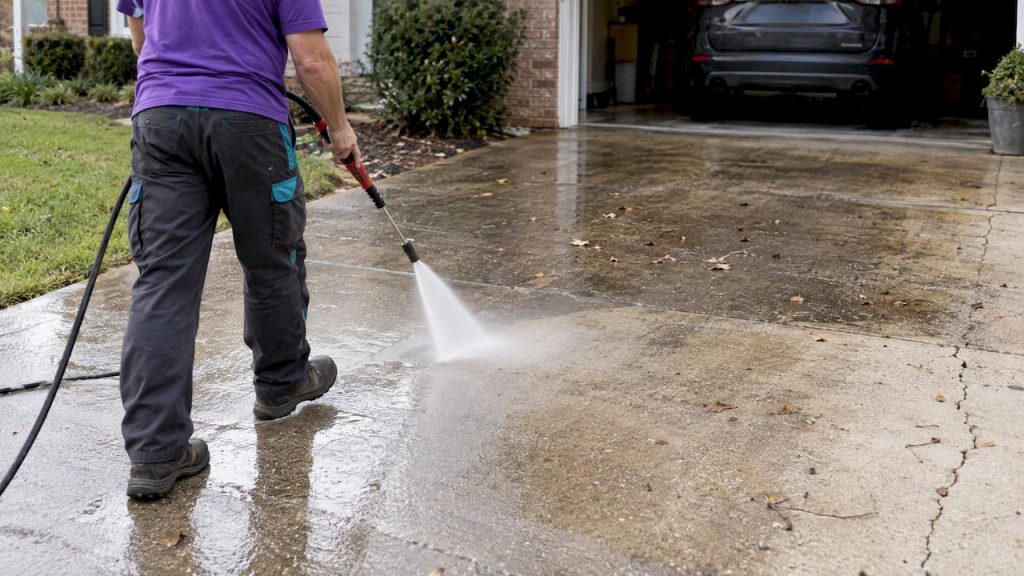
For most driveways, a once-a-year pressure wash keeps concrete, asphalt, and pavers looking good and lasting longer. Shaded or high-traffic surfaces often need a second cleaning, and driveways exposed to heavy oil, moisture, or commercial vehicle traffic may need attention every 3 to 6 months. Material, climate, and visible staining all shift the right interval, so a quick inspection beats guessing.
TL;DR:
- Driveways exposed to heavy oil, moisture, or commercial traffic may require cleaning every 3 to 6 months, especially in shaded or high-traffic areas.
- Concrete surfaces often need cleaning twice a year if traffic is heavy or stains are prominent, while asphalt should be washed every 6 to 12 months with lower PSI.
- Pavers and brick surfaces benefit from annual cleaning, with deeper joint treatment every 2 to 3 years; gravel should not be pressure washed.
- Optimal cleaning timing is during spring or fall, avoiding freezing temperatures and right before rain to ensure proper drying and effectiveness.
- Professional cleaning costs range from $80 to $350, with larger or heavily stained driveways toward the higher end, and scheduling should be based on inspection and environmental factors.
Table of Contents
- Recommended frequency by scenario
- When during the year should you schedule a wash?
- Signs your driveway needs pressure washing now
- Technique, PSI, and avoiding damage from over-washing
- Cost expectations: DIY versus hiring a pro
- How pros set schedules: a practical checklist
- Balancing curb appeal, surface life, and environmental responsibility
- How E&R Cleaning Solutions can help with your driveway
- FAQ
- Sources
Recommended frequency by scenario
The right schedule depends less on the calendar and more on what your driveway is made of and how hard it works.
- Concrete: clean once a year as a baseline, moving to every 6 to 12 months if traffic is heavy or staining shows up fast; see detailed advice on Concrete in Towson & Baltimore County, MD | Magnum Home Services for practical indicators and visual examples.
- Asphalt: wash every 6 to 12 months using a gentler approach. Asphalt softens under high heat and pressure, so lower PSI settings protect the surface.
- Pavers and brick: plan an annual cleaning, with a deeper clean and re-sanding of the joints every 2 to 3 years to keep them locked in place.
- Gravel: skip high-pressure washing entirely. Low-pressure rinsing or simple raking handles most buildup without scattering the stones.
Traffic and exposure push these baselines in either direction. A driveway shaded by trees or facing north holds onto moisture and grows algae faster, often needing a second wash each year. A sun-drenched driveway with light foot traffic can sometimes stretch past a year between cleanings.
- High-traffic driveways used daily by multiple vehicles tend to need cleaning every 3 to 6 months.
- Oil-stained spots from parked cars benefit from spot treatment as soon as they appear rather than waiting for the next scheduled wash.
- Low-traffic driveways in sunny, dry climates can often go 12 to 18 months between full cleanings.
If you want a clearer sense of how your region’s climate and driveway use affect both the schedule and the cost of a professional clean, that breakdown walks through the variables in more detail.
When during the year should you schedule a wash?
Timing matters almost as much as frequency. Spring and fall are the two windows that make the most sense for most climates.
- Spring clears away winter salt, sand, and the algae that took hold during cold, damp months.
- Fall removes summer buildup like pollen, dirt, and organic debris before freezing temperatures set in.
- Avoid washing right before or during rain, since runoff interferes with rinsing and detergent effectiveness.
- Never wash in freezing temperatures. Water trapped in small cracks can freeze, expand, and worsen surface damage.
- If sealing afterward, pick a stretch of several consecutive dry days so the surface cures properly before the next rain.
A driveway washed right before a storm often looks streaky within days, which wastes the effort and the water.
Signs your driveway needs pressure washing now
Some signs mean you shouldn’t wait for your next scheduled cleaning.
- Green or black staining in shaded corners usually signals algae or mildew, which CDC guidance on mold notes can affect both surfaces and health in damp areas.
- Oil or grease patches that spread or develop an odor need prompt attention before they soak deeper into porous concrete.
- Embedded dirt that a broom or leaf blower can’t shift has usually worked into the surface pores.
- A slippery feel underfoot, especially when wet, is a traction hazard worth addressing right away rather than on schedule.
Any one of these is a reason to clean now, regardless of when your last wash happened.
Technique, PSI, and avoiding damage from over-washing
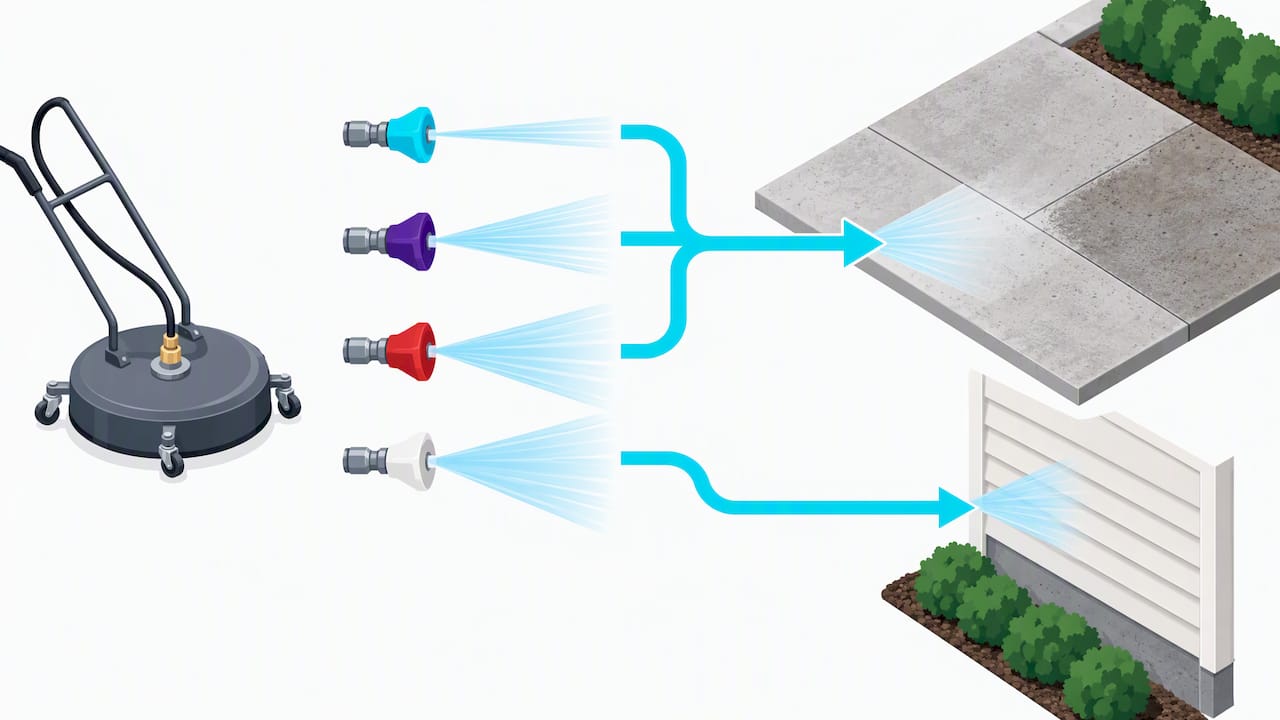
Matching pressure to material protects the surface and actually makes each cleaning last longer. Recommended PSI ranges run roughly: gravel under 1,000 PSI, asphalt 1,000 to 1,500 PSI, pavers and brick 1,200 to 2,000 PSI, and concrete 2,000 to 3,000 PSI. Routine concrete cleaning rarely needs to exceed 3,000 PSI.
- Use a surface cleaner attachment for even coverage instead of a single-jet wand, which tends to leave streaks or zebra stripes.
- Choose a 15 or 25 degree nozzle depending on how much spread and force the job calls for.
- Repeated heavy-pressure cleaning increases concrete’s porosity over time, which means it absorbs stains faster on the next pass, shortening the interval before the next wash is needed.
Pro Tip: Start with a low-pressure, water-only pass to lift surface debris, then reserve full pressure or chemical treatment for stubborn or deep-set stains.
Surface cleaner attachments and the right nozzle choice are often what separates a streaky DIY job from a professional-looking finish, cutting down on repeat touch-ups. For guidance on keeping pressure low when working near siding or softer materials, our low-pressure house washing advice covers the same logic applied to vertical surfaces.
Cost expectations: DIY versus hiring a pro
Professional driveway cleaning typically runs $80 to $350, averaging around $210, depending on size, staining, and region. That same source notes a professionally cleaned driveway tends to stay visibly clean for 6 months to a year before buildup becomes noticeable again.
- Renting equipment can make sense for a small, low-traffic driveway with light dirt, but matching PSI to material takes some trial and error.
- Hiring a pro saves time and reduces the risk of streaking, etching, or missed spots, especially on larger or heavily stained surfaces.
- Light, regular maintenance between full washes, like sweeping and spot-treating oil, can reduce how often an expensive deep clean is needed.
- Budgeting for sealing after a clean extends the interval before the next wash by protecting the surface from new stains and moisture.
How pros set schedules: a practical checklist
We build driveway schedules around inspection first, not a fixed date on the calendar. A typical visit starts with a walk-through to spot oil, algae, and heavy traffic wear, followed by sweeping loose debris, pretreating stubborn stains, and a water-only pass before any detergent comes out. A surface-cleaner finish handles the even, streak-free result.
Redirecting washwater away from storm drains and toward vegetated areas, along with minimizing detergent use, keeps runoff from carrying contaminants into local waterways.
Municipal BMP guidance, Brookhaven, GA
Shaded driveways and those used by commercial vehicles get scheduled more often in our planning, since both conditions accelerate staining and buildup.
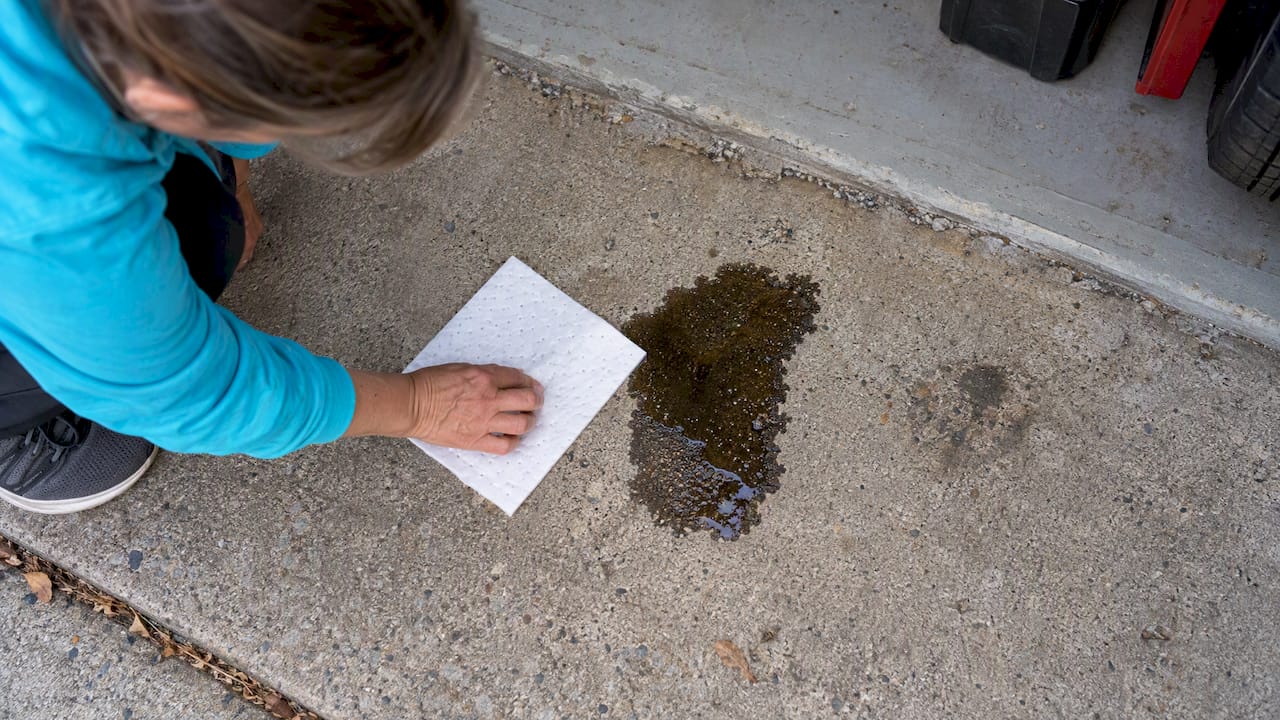
Pro Tip: Keep an absorbent on hand for fresh oil drips. Catching a spill before it soaks in saves a much harder cleanup later.
Balancing curb appeal, surface life, and environmental responsibility
If curb appeal matters most to you, lean toward twice-yearly touch-ups, especially before holidays or showings. If you’re optimizing for surface longevity and lower long-term cost, an annual deep clean along with spot maintenance usually wins: fewer aggressive cleanings mean less micro-abrasion on concrete over time.
Neither choice should ignore runoff. Whatever schedule you pick, factor in where the washwater goes, since many municipalities regulate it closely.
— Richard
How E&R Cleaning Solutions can help with your driveway
We offer driveway pressure washing, oil and stain removal, and coordination with sealing crews when a deep clean calls for it. Every visit follows the same inspect-sweep-treat-rinse process, with washwater redirected away from storm drains and detergent use kept to a minimum.

- Custom quotes based on driveway size, material, and condition.
- Flexible scheduling for one-time or recurring cleans.
- Pricing that reflects a customer-focused approach, offering pressure washing and window cleaning services for homeowners and property managers.
Reach out through our Window Cleaning, Pressure Washing page to request a quote or set up a maintenance schedule that fits your driveway.
FAQ
How often do people get their driveway pressure washed?
Most homeowners schedule a driveway wash once a year, with some opting for twice a year if the surface sits in shade or sees heavy traffic. A general guideline suggests cleaning every 3 to 6 months for driveways with heavier exposure or use.
Is 1,400 PSI enough to clean a driveway?
It depends on the material: 1,400 PSI falls within the recommended range for pavers and brick (1,200 to 2,000 PSI) and sits near the upper end for asphalt. For concrete, which typically needs 2,000 to 3,000 PSI, 1,400 PSI may leave embedded stains behind.
What time of year should you pressure wash your driveway?
Spring and fall both work well: spring clears winter salt and sand, while fall removes summer buildup before freezing weather arrives. Avoid washing in freezing temperatures or right before rain, since both interfere with results.
How much does it cost to pressure wash a 2,000 square foot driveway?
Professional driveway cleaning typically runs $80 to $350, averaging around $210, with larger driveways like 2,000 square feet landing toward the higher end of that range. Our driveway pressure washing cost breakdown walks through how size and condition affect the final quote.
Sources
For readers who want the primary guidance behind this schedule, municipal BMPs cover washwater handling and runoff rules, while PSI and technique guidance explains material-specific pressure settings. CDC resources on mold cover the health side of algae and mildew on exterior surfaces.
- Cms
- Outdoor Cleaning and Pressure Washing (Brookhaven GA municipal guidance)
- Pressure Washing Driveways: The Complete Cost, PSI, And Technique Guide