From $100 to $400 for Homeowners: E&R on Curb Appeal Pressure Washing
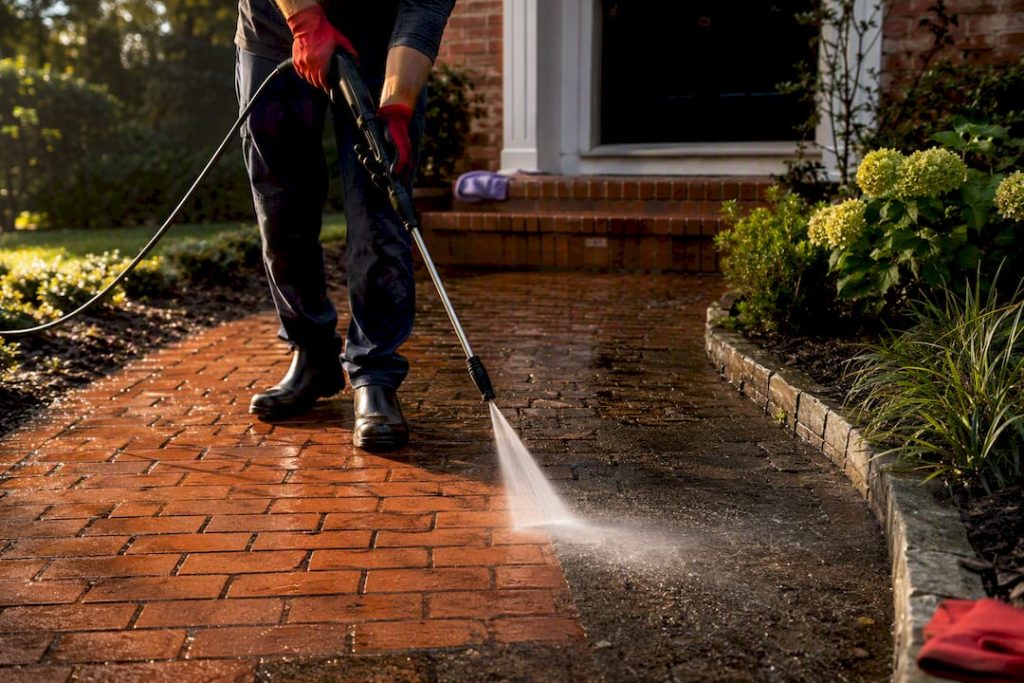
Hiring a professional for curb appeal pressure washing is the right move whenever resale photos, buyer walkthroughs, or delicate surfaces like roofs and painted siding are on the line. The payoff is a visibly sharper exterior, often the fastest and cheapest upgrade before listing photos or a big event. The catch: the wrong method (high pressure on the wrong surface) can strip paint or crack siding, so soft washing versus pressure washing isn’t a style preference. It’s a safety decision.
TL;DR:
- Pressure washing costs vary based on stain severity and surface but typically range from $100 to $400 for a driveway, walkways, and siding.
- Soft washing is essential for delicate surfaces like roofs, vinyl, and painted siding to avoid damage from high pressure.
- Prioritize cleaning high-visibility areas such as driveways, porch steps, and siding near entry points to maximize curb appeal.
- Hiring a licensed, insured professional with experience and clear communication reduces the risk of damage and ensures proper methods are used.
- Regular cleaning, ideally once a year, helps maintain appearance and prevents stubborn stains like algae, mildew, and oil from setting in.
Table of Contents
- Which Exterior Surfaces Boost Curb Appeal Most?
- Pressure Washing vs. Soft Washing: How Pros Choose
- What Does Pressure Washing Typically Cost?
- How to Vet a Pressure Washing Contractor
- Prepping Your Property Before and After the Wash
- What E&R Cleaning Solutions Sees on the Job
- Should You Hire a Pro or DIY the Wash Yourself?
- Get a Fast, Transparent Estimate for Your Exterior
- Sources
- FAQ
Which Exterior Surfaces Boost Curb Appeal Most?
Not every square foot of your property earns the same real estate attention. Real estate professionals consistently point to the approach path as the highest-value target, because buyers and neighbors judge a home before they ever reach the front door.
Prioritize these areas first:
- Driveway and front walkway — the first surface anyone sees, and often the most stained (oil drips, tire marks, efflorescence).
- Porch and steps — high-traffic, high-visibility, and often where hard water or rust rings collect near planters.
- Siding near the entry — mildew streaks and cobwebs read as neglect even when the rest of the house is clean.
- Garage apron — oil and transmission fluid stains here drag down the whole driveway’s impression.
- Fencing and mailbox area — small, but it frames the property line in every listing photo.
While you’re walking the exterior, flag anything unusual for your estimator: oil spots, old gum, algae blooms, or rust streaks from downspouts. Pointing these out upfront means a more accurate quote and no surprise change orders once the crew arrives.
Pressure Washing vs. Soft Washing: How Pros Choose
Pressure washing uses concentrated water force, typically 1,500 to 4,000 PSI, to blast away dirt and grime from tough surfaces like concrete. Soft washing uses low pressure combined with a cleaning solution, usually a mix of sodium hypochlorite and a surfactant, to kill mildew and algae at the root without blasting the surface itself.
The surface dictates the method:
- Concrete driveways and walkways can handle higher pressure and a rotating turbo nozzle.
- Vinyl and painted siding need low pressure and a wide fan tip held 12 to 18 inches away to avoid forcing water behind panels.
- Wood decks and fences usually call for soft washing to avoid splintering or stripping the grain.
- Roof shingles almost always require soft washing; direct pressure can lift granules and shorten the roof’s life.
- Windows and screens need the gentlest touch of all, closer to a rinse than a wash.
Pro Tip: A test patch in an inconspicuous corner tells you more than any spec sheet. If the surface blisters, streaks, or lifts paint on a two-foot square, that’s your signal to drop the pressure or switch to a soft wash approach before touching the rest of the house.
What Does Pressure Washing Typically Cost?
Prices swing more on condition than on square footage. A driveway with light dust washes up cheap; a driveway crusted with years of oil and algae costs more in time and detergent, even at the same size.
Rough starting points for a single-family home:
- Driveway only: roughly $100 to $250, depending on stain severity and total area.
- Whole-house exterior wash: roughly $150 to $400 for siding, porch, and walkways combined.
- Roof cleaning: typically priced separately, since it requires soft-wash chemicals and extra safety time on the ladder.
The biggest cost drivers beyond square footage are soil severity, how much ladder or lift access the crew needs, whether plants or furniture require moving first, and local labor rates. Most residential jobs wrap in two to four hours, though heavy algae or a two-story home with roof work can stretch a full day. Crews also watch the forecast. Rain within a few hours of a soft wash can rinse away the detergent before it finishes killing the mildew.
How to Vet a Pressure Washing Contractor
A cheap bid and a good bid can look identical on paper until you ask the right questions. Use this checklist on the phone or during an on-site estimate:
- Are you licensed and insured? Ask to see proof, not just hear a yes.
- What method will you use on my siding or roof? A contractor who says “pressure washing” for a roof without mentioning soft wash is a red flag.
- What detergents do you use, and are they safe for my plants?
- Can I see before-and-after photos of similar jobs?
- What’s included in cleanup, and is there a satisfaction guarantee?
Cross-check what you hear against public records. BBB profiles and Google or Yelp reviews reveal complaint patterns that a sales call never will.
Statistic Callout: Industry guidance recommends washing exteriors six to eight weeks before listing photos, then staggering paint touch ups and repairs after the wash dries.
Treat a bid that’s dramatically lower than the others with suspicion. It usually means uninsured labor, a garden-hose attachment instead of real equipment, or a plan to skip soft wash chemicals altogether. Insist on a written scope before anyone shows up.
Prepping Your Property Before and After the Wash
A little prep saves the crew time and protects your things. Before the appointment:
- Move cars, planters, and patio furniture off the driveway and walkway.
- Cover outdoor outlets, light fixtures, and any exposed wiring.
- Trim back shrubs or vines touching the siding.
- Secure pets indoors and mark any stains you want extra attention on.
Pro Tip: If detergent splashes onto flower beds, rinse the soil with plain water within 15 to 20 minutes. Most soft-wash mixes are diluted enough to be safe, but a quick rinse prevents any leaf scorch.
Afterward, let surfaces dry fully. If you’re painting, wait 24 to 72 hours before priming. Pair the fresh wash with small wins: new door hardware, a repainted front door, or updated porch lighting. These low-cost upgrades compound the visual lift a clean exterior already gives you.
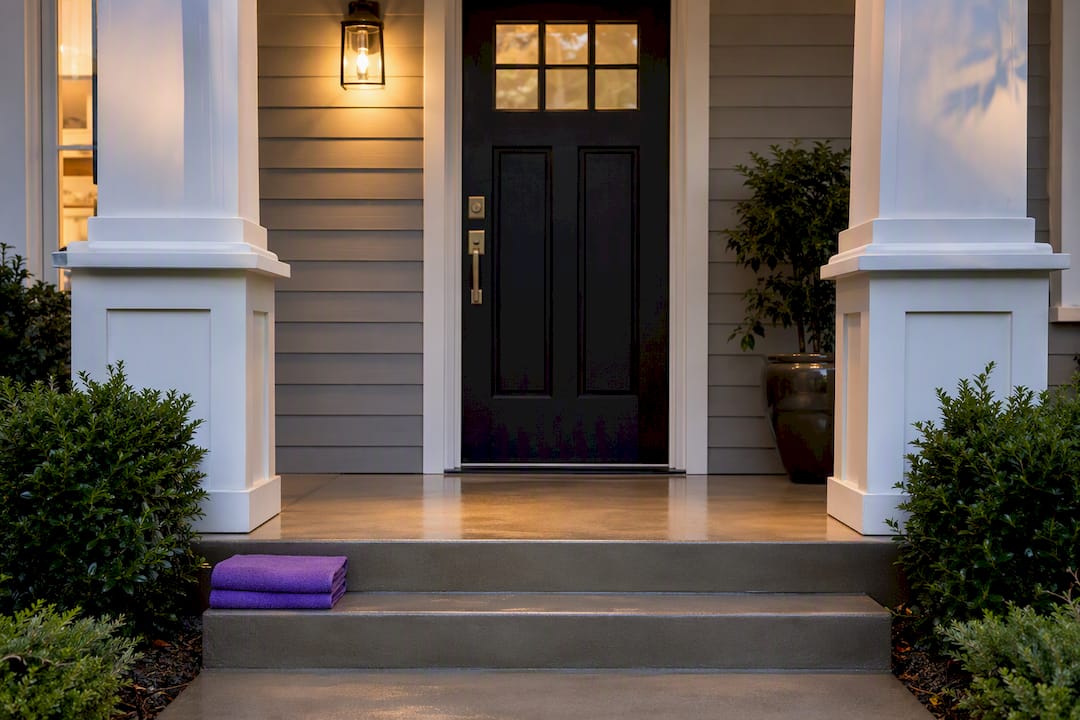
What E&R Cleaning Solutions Sees on the Job
A family-run crew with several years handling residential and commercial exteriors, from single-family driveways to storefront sidewalks. The most common repeat offenders across those jobs:
- Hard water spotting on siding near sprinkler lines, which needs a different chemical approach than dirt.
- Oil and grease stains on garage aprons that water alone never lifts.
- Algae and mildew streaking on north-facing siding and roofs that stays damp longest.
Estimates typically include upfront pricing and a walk-through of which method fits which surface to avoid guessing after the fact.
Should You Hire a Pro or DIY the Wash Yourself?
Call a professional for anything multi-story, any roof cleaning, or stains that have set in for years. A ladder, the wrong nozzle, and a rental pressure washer are a bad combination on a two-story home. Light dirt on a small patio or a single porch step is fair DIY territory if you keep the pressure low and test a corner first. When in doubt, hire the pro. The cost of a mistake on siding or a roof almost always outweighs the estimate.
— Richard
Get a Fast, Transparent Estimate for Your Exterior
E&R Cleaning Solutions handles the exact jobs covered in this guide: full house washing, walkway and driveway cleaning, and commercial storefront exteriors, all quoted upfront with no bait-and-switch pricing once the crew shows up.

Requesting a quote can take less time than estimates from other providers. Send a few photos of the driveway, siding, or roof area you want cleaned, note any stubborn stains like oil or algae, and mention whether the job is for a sale, a rental turnover, or routine upkeep. Many homeowners report getting pricing back promptly, sometimes the same day. If your property includes windows that need attention too, the window cleaning tools guide is worth a look before your appointment. Ready to see your driveway and siding look new again? Request your estimate and get a written scope before any work starts.
Sources
- How often should windows be cleaned? | This Old House
- Does power washing increase home value? What real estate pros say | The Spruce
- How to pressure wash a house | Popular Mechanics
FAQ
Does Pressure Washing Increase Home Value?
Pressure washing itself doesn’t add appraised value, but real estate professionals consistently cite it as one of the most cost-effective improvements for boosting a buyer’s first impression before listing photos.
How Often Should I Pressure Wash My House?
Most homes benefit from a full exterior wash once a year, while high-traffic surfaces like driveways may need attention twice a year depending on staining and local climate.
Is Soft Washing Better Than Pressure Washing for Siding?
For vinyl, painted, and wood siding, soft washing is generally safer because it uses low pressure and a cleaning solution rather than force to remove mildew and algae.
How Long Does a Professional Pressure Washing Job Take?
A standard driveway or single-story exterior wash typically takes two to four hours, though roof cleaning or larger properties can extend into a full day.
How Often Should Windows Be Cleaned for Curb Appeal?
Industry guidance recommends cleaning residential windows every one to two months to maintain both appearance and energy efficiency.