Stay Legal During a Drought: U.S. Pressure Washing Rules and 5 BMPs
Pressure washing is usually legal during a drought, but only within limits set by your local water utility, city, or state drought order. Cosmetic washing of driveways and sidewalks is the activity most often restricted or banned outright at higher drought stages, while health, safety, and necessary maintenance jobs typically stay allowed. Before you book any job, check your water utility’s current drought stage or city stormwater page, or request a variance if your project falls in a gray zone.
TL;DR:
- During severe drought stages, pressure washing is generally limited to health, safety, and code-required tasks, with cosmetic cleaning typically banned.
- Contractors must register, contain runoff, and dispose of wash water properly, especially during drought restrictions, to avoid fines and violations.
- Checking local water utility websites, city ordinances, or requesting a variance is essential before scheduling any pressure washing during restrictions.
- Most regulations emphasize containment of runoff and proper disposal of detergents and pollutants to prevent stormwater contamination, even when pressure washing is permitted.
- Homeowners and pros should verify current drought stages and rules directly from municipal sources and never assume exemptions, particularly for cosmetic or aesthetic cleaning.
Table of Contents
- Who Regulates Pressure Washing During Water Restrictions
- What’s Usually Prohibited vs. What’s Usually Allowed
- Commercial Pressure Washing: Registration, Permits, and Disposal Rules
- Stormwater Rules and BMPs That Keep a Job Legal
- How to Confirm Local Rules and Request a Variance
- What Pros Check Before Every Job During Drought
- What Happens If You Skip the Rules
- A Pro’s Take on Staying Compliant
- Get a Compliant Pressure Washing Quote From E and R Cleaning Solutions
- Where to Verify Your Local Rules
- Sources
- FAQ
Who Regulates Pressure Washing During Water Restrictions
No federal law bans pressure washing during drought. The authority sits with your local water supplier, city public works department, county, or state water agency, and each one sets its own rules through tiered drought stages.
Most cities use a staged system that tightens as conditions worsen:
- Stage 1 (mild): Voluntary conservation, most washing still allowed.
- Stage 2 (moderate): Cosmetic pressure washing restricted or scheduled to specific days.
- Stage 3 (severe): Washing limited to health, safety, or code-required exceptions only.
Raleigh’s water conservation stages follow this pattern, permitting pressure washing at lower stages but restricting it to sanitary and health exceptions once Stage 3 hits. Denver Water ties residential power washing to assigned watering days rather than banning it outright, and Tampa’s guidance draws its own line between routine upkeep and pure aesthetics.
What’s Usually Prohibited vs. What’s Usually Allowed
Regulators consistently separate two categories: cosmetic washing done purely for appearance, and necessary cleaning tied to safety or property maintenance. The first gets restricted fast. The second almost always survives, even at the strictest drought stages.
Commonly banned during active drought stages:
- Routine driveway, sidewalk, or patio washing done purely for curb appeal.
- Annual “spring cleaning” of siding, fences, or parking lots with no maintenance need.
- Washing impervious surfaces like concrete and asphalt without a permit or variance.
Exceptions that typically survive even strict restrictions:
- Removing mold, mildew, or algae that creates a slip hazard or health risk.
- Cleaning up hazardous spills, oil, or biological waste.
- Surface prep required before painting, sealing, or a warranty repair.
Tampa’s water conservation guidance prohibits annual aesthetic washing during drought but explicitly allows pressure washing tied to painting, sealing, or safety needs. One detail property managers miss: an HOA rule requiring pristine sidewalks does not override a city drought order. If your association demands a wash the city prohibits, the city wins.
Commercial Pressure Washing: Registration, Permits, and Disposal Rules
Commercial operators face a heavier compliance load than homeowners doing a one-off job themselves. Cities treat contracted washing as a business activity tied to stormwater permits, not a casual weekend chore.
San Antonio requires anyone power washing for compensation to register with the water system and hold a certificate. Washing impervious cover is banned during drought stages except for health and safety work, and registered operators must collect wash water and route it through pretreatment or a certified waste hauler.
Fort Worth takes a similar approach through its stormwater program:
- Mobile cosmetic cleaners need a city permit tied to TPDES stormwater rules.
- Wash water must be contained, not discharged to the street or storm drain.
- Operators without proper containment risk fines regardless of drought stage.
This is the gap property managers overlook: a homeowner might legally rinse their own porch, but the contractor they hire needs a permit and a documented disposal plan to do the same work commercially.
Stormwater Rules and BMPs That Keep a Job Legal
Storm drains carry water straight to rivers and lakes with no treatment in between. That’s why a pressure-washing job that would otherwise be perfectly legal can still trigger a violation if the runoff carries detergent, oil, or paint chips into a drain. Regulators care far less about the water pressure itself and more about where the runoff ends up.
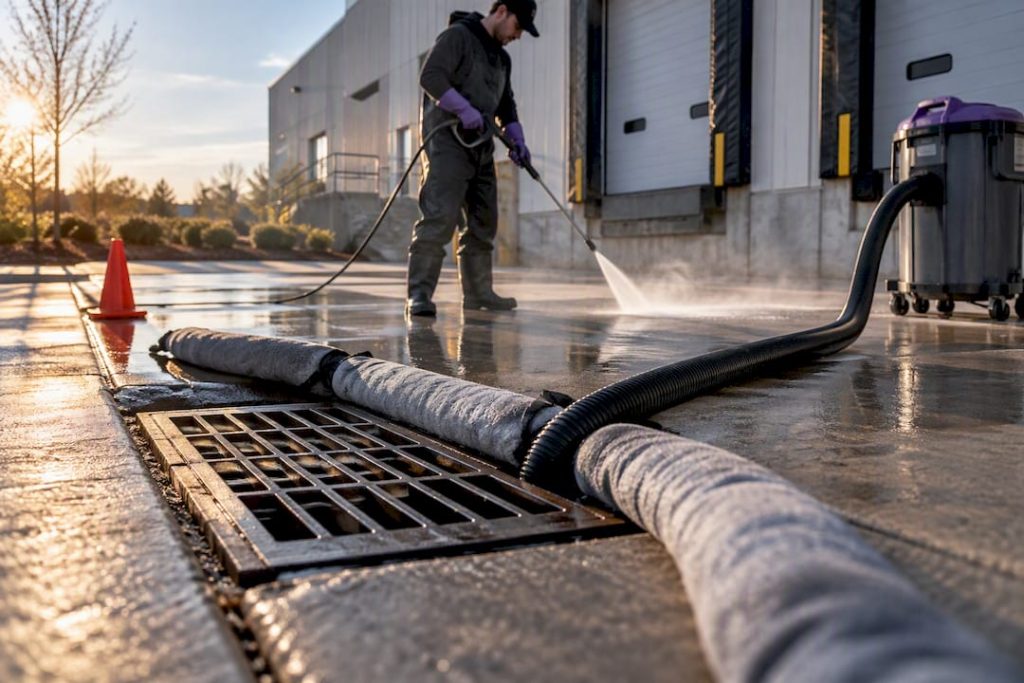
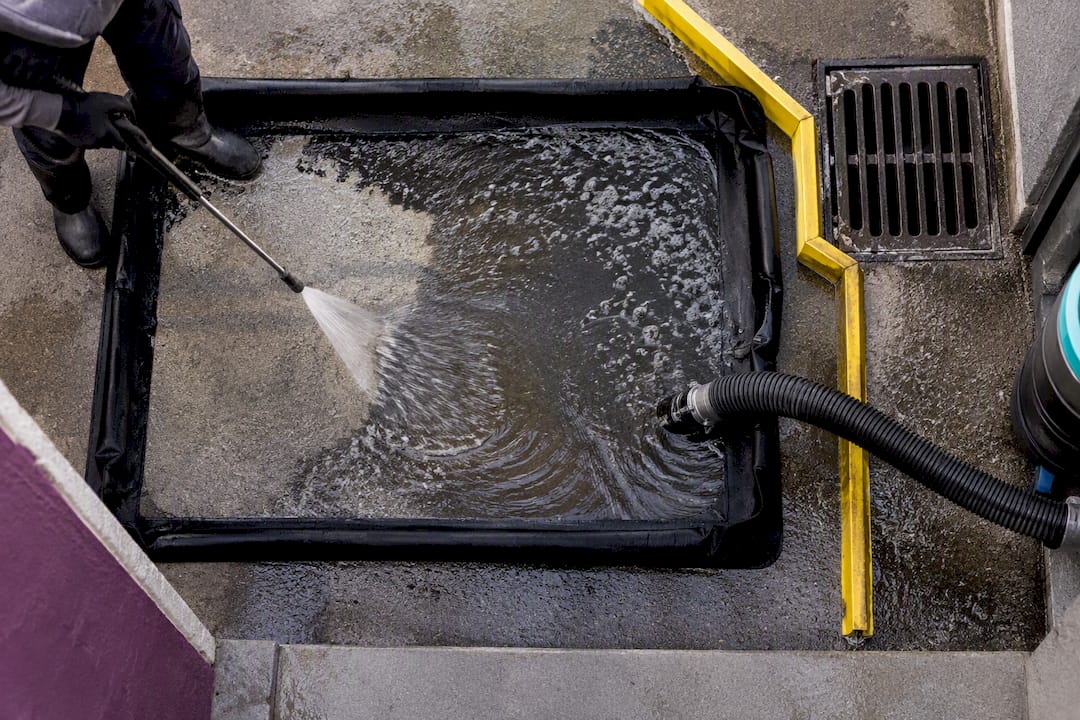
The City of Eugene’s best management practices outline a containment sequence that most municipal codes echo:
- Plug or block nearby storm drains before starting work.
- Set up berms or a portable liner to create a contained wash area.
- Use a wet vacuum or vacuum recovery unit to collect runoff as you go.
- Filter collected water through a biobag or similar media to strain solids.
- Discharge treated water to a sanitary sewer connection, or arrange hauling by a certified disposal service.
Detergents and hot water make containment even more critical. Fort Worth’s enforcement notes that pollutants like oils and metals can violate stormwater rules even when the operator never intended to cause harm. Lead-based paint chips from older homes require special handling too, since they can’t legally go down any drain, sanitary or storm.
Pro Tip: Keep a photo log of your containment setup before and during the job. If a neighbor complains or an inspector shows up, visual proof of BMPs in place is your fastest way to avoid a citation.
How to Confirm Local Rules and Request a Variance
Start with your water utility’s conservation page, since that’s usually where current drought stage and restricted activities are posted. If the answer isn’t clear, call your city’s public works or stormwater division directly, or your county environmental office if you’re outside city limits.
For a variance request, most jurisdictions want:
- A description of the work: surface type, square footage, and reason for washing.
- Your water source (municipal, well, or hauled).
- A containment and disposal plan for wash water.
- Photos or a simple site map showing drain locations.
New Braunfels Utilities requires a pressure-washing variance for impervious surfaces during drought stages 1 through 3, and their form is a solid template for what most utilities expect. Never start work assuming approval is a formality. Wait for written confirmation.
What Pros Check Before Every Job During Drought
A professional pressure washing company treats drought compliance as a pre-job checklist item, not an afterthought handled after a complaint comes in. Before scheduling anything, we confirm the current drought stage, document why the job qualifies as necessary rather than cosmetic, and check assigned watering days where they apply.
On-site steps that keep a job compliant:
- Set up containment first: plugs, liners, or berms before any water touches the surface.
- Use vacuum recovery to capture runoff rather than letting it sheet toward a drain.
- Skip detergents where a straight rinse or low-pressure soft wash will do the job.
- Route collected water to the sanitary sewer or arrange pickup through a certified hauler.
If you’re vetting any contractor, ask three things in writing: their registration or certification number, a written description of their containment method, and proof of insurance. A crew that can’t answer these clearly isn’t one you want near a drought order.
Pro Tip: Ask for the disposal plan before the truck shows up, not after. A legitimate operator will have this answer ready in seconds.
What Happens If You Skip the Rules
Enforcement typically comes in three forms: fines, stop-work orders, and required cleanup or remediation costs if pollutants reached a waterway. Fort Worth’s stormwater ordinance allows fines that can be substantial for each occurrence for illicit discharges, and repeat violations tend to draw closer scrutiny on future permits.
Most violations surface through neighbor complaints, routine code inspections, or stormwater sampling near outfalls. Discolored runoff heading toward a storm drain is one of the fastest ways to trigger an inspector’s visit, drought stage or not.
A Pro’s Take on Staying Compliant
After five years of running jobs through changing drought stages, the pattern is simple: the crews that get flagged are the ones who skip containment, not the ones who use a pressure washer. Our rule of thumb is straightforward. Call a professional when health, safety, or mold removal is involved. Otherwise, favor dry methods first and save water for the jobs that genuinely need it. Ask any contractor, including us, to check your local rules as part of the quote.
— Richard
Get a Compliant Pressure Washing Quote From E and R Cleaning Solutions
Some pressure washing companies build drought compliance into every quote instead of treating it as an afterthought, documenting containment methods, vacuum recovery, and sanitary-sewer discharge planning before starting work.

When you request a quote, ask us to include a written BMP description, our disposal plan, and proof of insurance. That paperwork protects you if a neighbor complains or an inspector asks questions later. It also means you’re not gambling on a crew that treats drought rules as optional. If your property needs pressure washing done the right way during restricted water conditions, request a site-specific compliance quote and we’ll walk through what’s allowed before we start.
Where to Verify Your Local Rules
Check these official sources directly for current drought stages, permit requirements, and contact information for variance requests:
- Raleigh water conservation stages
- San Antonio Water System power washing rules
- Fort Worth mobile cosmetic cleaning regulation
- Denver Water summer watering rules
- Tampa water conservation guidance
Most of these pages list a direct phone number or email for permit and variance questions specific to your address.
Sources
- Raleighnc
- Power Washing – San Antonio Water System
- Mobile Commercial Cosmetic Cleaning (Power Washer) Regulation – City of Fort Worth
- Denver Water — summer watering rules
- Tampa water conservation guidance
FAQ
What Are the EPA Rules for Pressure Washing?
The EPA doesn’t regulate pressure washing directly, but its stormwater program requires cities with MS4 permits to control pollutant discharges, which is why local ordinances ban wash water from entering storm drains. Compliance falls to municipal rules like Fort Worth’s stormwater ordinance, not a direct federal permit.
Can I Pressure Wash Without a License?
Homeowners washing their own property generally don’t need a license, but commercial operators washing for compensation often do. San Antonio requires registration for anyone power washing commercially, and similar rules apply in many other cities.
When Should You Not Power Wash Your House?
Skip power washing during a declared drought stage that restricts cosmetic cleaning, or anytime the job is purely aesthetic rather than tied to safety, mold removal, or paint prep. A lower-pressure soft wash approach uses less water and often qualifies under maintenance exceptions where full pressure washing wouldn’t.
What Are the Water Restrictions for Pressure Washing in San Antonio?
San Antonio prohibits washing impervious surfaces during drought stages except for health and safety reasons, and commercial washers must register with the water system and follow disposal rules. Homeowners doing their own limited cleaning face fewer restrictions but should still confirm the current drought stage first.
Do HOA Rules Override City Drought Restrictions?
No. A homeowners association can request a clean driveway, but it cannot legally force water use that a city or utility has prohibited during an active drought stage. Tampa’s guidance confirms that municipal drought orders take priority over private deed restrictions.