Driveway Cleaning for Rental Homes: A Landlord’s Guide
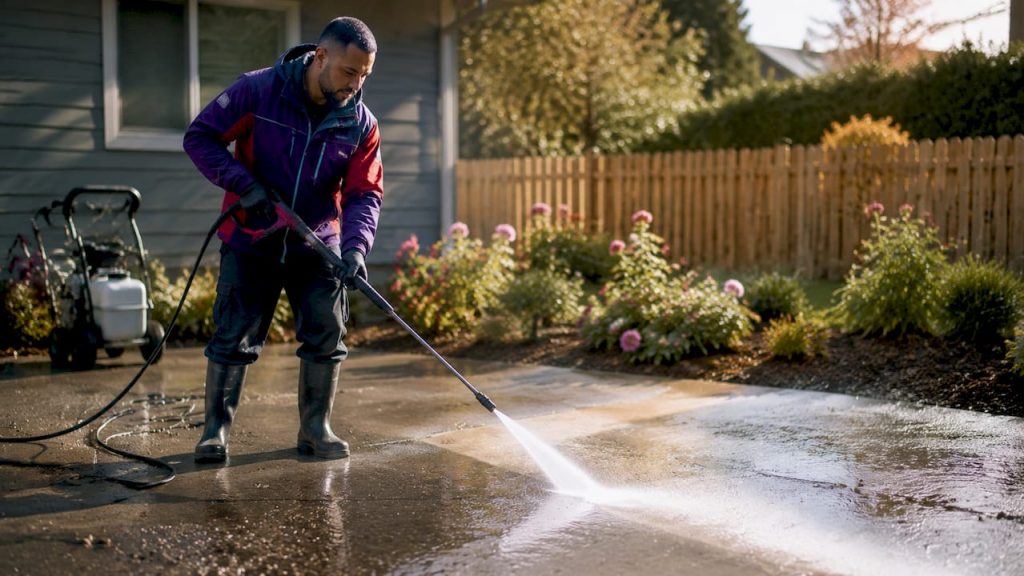
Driveway cleaning for rental homes is the systematic removal of dirt, oil stains, moss, algae, and biological growth from a property’s driveway surface to preserve its condition, safety, and curb appeal. Known in the industry as exterior surface maintenance or pressure washing, this practice protects the structural integrity of concrete, asphalt, and block paving driveways. A spotless driveway signals a well-managed property and directly influences how prospective tenants perceive your rental before they ever step inside. For landlords and property managers, driveway maintenance is not a cosmetic afterthought. It is a core part of protecting your investment and keeping tenants satisfied.
What is driveway cleaning for rental homes, and why does it matter?
Driveway cleaning for rental homes covers far more than a quick rinse with a garden hose. The process typically involves pressure washing at controlled PSI levels, applying targeted cleaning solutions such as degreasers or moss removers, and treating the surface based on its material. Pressure washing is the industry standard method because it removes embedded grime that surface-level scrubbing cannot reach.
The financial case is straightforward. Professional cleaning costs between $150 and $300 for a standard two-car concrete driveway, while full exterior packages range from $600 to $1,200. That investment is minor compared to the cost of resurfacing a driveway damaged by years of neglect. Moss root intrusion alone can crack concrete over time, turning a preventable maintenance task into a major repair bill.

Curb appeal also has a direct effect on rental income. A clean driveway is one of the first things a prospective tenant sees during a viewing. Property management professionals consistently note that exterior condition shapes tenant expectations about how the landlord manages the rest of the property. E and R Cleaning Solutions, a family-run pressure washing and exterior cleaning service with over five years of experience, works with property managers specifically because this connection between exterior appearance and tenant quality is real and measurable.
Who is responsible for driveway cleaning in a rental property?
Responsibility for driveway cleaning depends on the lease agreement, not on assumptions. Florida statutes, for example, place the burden of health and safety maintenance on landlords, while tenants are required to keep the property sanitary. Lease terms determine who handles major exterior cleaning tasks like pressure washing driveways, porches, and pathways.
Most landlords retain responsibility for routine driveway cleaning because it falls under property upkeep and HOA compliance. If your property sits within a homeowners association, the HOA’s standards for exterior appearance typically apply to the landlord, not the tenant. Failing to meet those standards can result in fines that land on you regardless of what your tenant does or does not clean.
Tenants can be held responsible in specific situations. These include:
- Tenant-caused stains: Oil leaks from a tenant’s vehicle that permanently stain the surface.
- Damage from misuse: Tenants using harsh chemicals or improper tools that etch or discolor the driveway.
- Lease-specified duties: Any cleaning task explicitly assigned to the tenant in the signed lease agreement.
Clarity in lease agreements regarding cleaning responsibilities reduces disputes and gives landlords a clear basis for enforcing maintenance standards or charging back costs.
Pro Tip: Add a specific clause to your lease that defines driveway cleaning responsibilities, lists prohibited substances (such as motor oil disposal), and states that tenant-caused staining is chargeable against the security deposit.
What are the best driveway cleaning methods for rental homes?
The best cleaning method depends on the driveway surface and the type of contamination present. Pressure washing is the most effective general approach, but applying it incorrectly causes damage that costs more to fix than the cleaning saves.
Pressure washing basics
Concrete driveways tolerate higher pressure, typically in the 2,500–3,000 PSI range, while asphalt requires a gentler approach to avoid dissolving the binder that holds the surface together. Different surfaces require tailored cleaning: always use fan tips rather than pinpoint nozzles, and keep the wand moving to prevent etching. Renting a commercial-grade pressure washer costs $75–$125 per day, plus $15–$30 for cleaning solutions. That is a viable option for landlords comfortable with the equipment, but improper use risks surface damage that negates the savings.
Cleaning solutions and their uses
Not every stain responds to water pressure alone. The right cleaning agent makes the difference between a clean surface and a permanently marked one.
- Degreasers: Applied to oil and grease stains before pressure washing. Allow dwell time of 5–10 minutes before rinsing.
- Moss and algae removers: Biocidal treatments that kill biological growth at the root. Skipping this step means regrowth within weeks.
- Concrete cleaners: Alkaline solutions that lift mineral deposits and tire marks without opening the surface pores.
Aggressive chemicals on concrete can open surface pores, making the driveway more susceptible to future grime absorption. Proper cleaning balance prevents this: use the mildest effective solution for the stain type, and rinse thoroughly.
Block paving: the overlooked extra step
Block paving driveways require one additional step that most landlords miss. Professional re-sanding after cleaning is critical to restore joint stability and prevent weed regrowth. High-pressure washing removes the kiln-dried sand from the joints, and without replacement, the blocks shift and weeds take hold within a season. Services that package joint re-sanding with surface cleaning deliver significantly longer-lasting results.
Pro Tip: For rental properties with block paving, always confirm that your cleaning service includes joint re-sanding. If it does not, budget for it separately or the cleaning investment loses most of its long-term value.
How often should landlords schedule driveway cleaning?
Annual cleaning is the industry standard for most rental driveways, with late spring being the most practical timing. Winter deposits road salt, grit, and organic debris onto the surface. Cleaning in late spring removes that buildup before summer heat bakes stains deeper into the material.
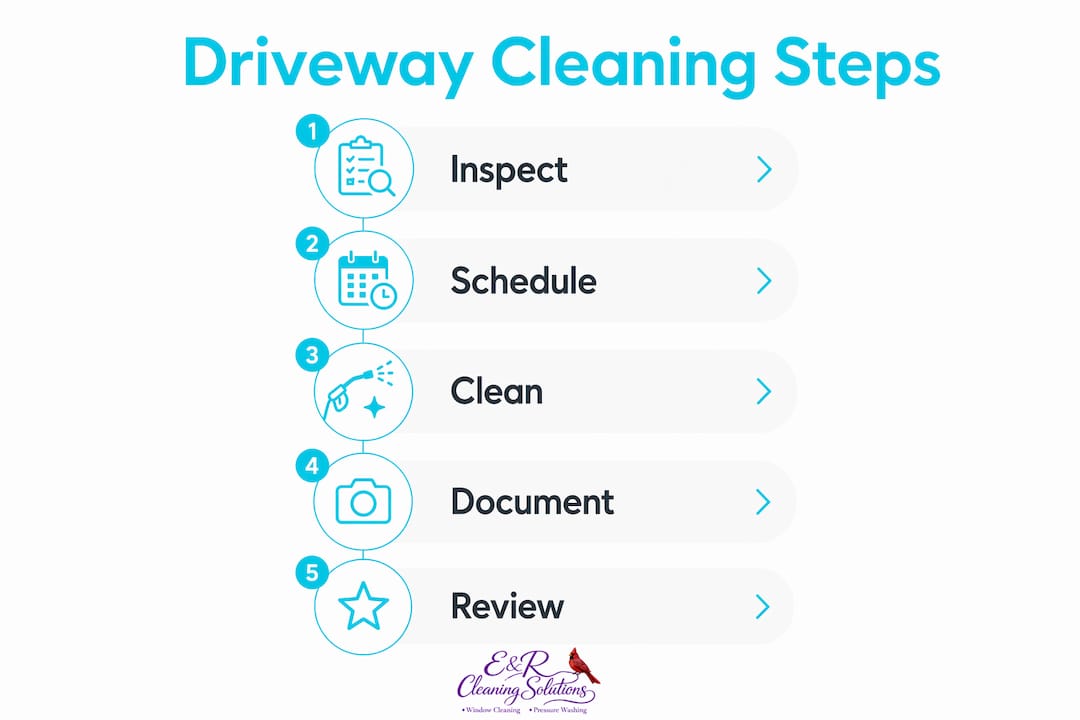
The most effective scheduling approach ties cleaning to tenancy cycles. Follow these steps to build a practical maintenance calendar:
- Clean before every new tenancy. A fresh driveway sets the right tone for incoming tenants and creates a clean baseline for your move-in inspection.
- Inspect mid-tenancy for long-term rentals. For tenancies over 12 months, a mid-point check catches oil stains or drainage issues before they worsen.
- Clean after every tenancy ends. Scheduling cleaning around tenancy turnovers helps spot structural problems early and presents the property at its best for new viewings.
- Add a winter rinse in high-salt climates. Properties in areas with heavy road salting benefit from a low-pressure rinse in late winter to limit salt corrosion on concrete.
Bundling driveway cleaning with other exterior services, such as window cleaning, siding washing, and gutter clearing, reduces the total cost per visit and keeps the full exterior on the same maintenance schedule. You can review exterior cleaning frequency guidance to align all your property’s exterior tasks into one efficient annual plan.
How to inspect and document driveway condition at move-in and move-out
Documenting driveway condition with dated photos at move-in and move-out is the single most effective way to prevent deposit disputes. Clear differentiation between normal wear and tenant-inflicted damage gives you a defensible basis for any charge-back. Without documentation, a tenant can dispute any deduction and often win.
The inspection itself requires the right conditions to be useful. Lighting matters more than most landlords realize. Raking light early or late in the day reveals surface imperfections that direct midday sunlight masks. Inspect the dry surface, not a wet one. Wet spots that darken and hold halos around them typically indicate oil or grease. Light dust that disappears when dry is normal wear.
Use this checklist for every move-in and move-out inspection:
- Photograph the full driveway length from both ends in raking light.
- Document any existing stains with close-up shots that show the stain’s size and color relative to the surface.
- Note drainage patterns. Standing water in the same spot at every inspection suggests a drainage problem, not tenant damage.
- Record the surface condition of joints on block paving and any cracking on concrete or asphalt.
- Spot clean minor issues immediately. Small oil spots treated within 48 hours with a degreaser rarely become permanent stains.
Pro Tip: Use a free timestamping app on your phone when photographing the driveway. The metadata embeds the date and time automatically, which carries more legal weight than a handwritten note on a printed photo.
For a broader look at patio and exterior inspection practices, the same documentation principles apply across all hard surfaces at your rental property.
Key Takeaways
Driveway cleaning for rental homes is a maintenance discipline that protects property value, prevents deposit disputes, and directly shapes tenant perceptions from the moment they arrive.
| Point | Details |
|---|---|
| Cleaning is a landlord’s duty | Lease terms and safety statutes place routine driveway cleaning on the landlord in most cases. |
| Surface type dictates method | Concrete tolerates 2,500–3,000 PSI; asphalt and block paving require gentler, tailored approaches. |
| Annual cleaning is the standard | Schedule in late spring and align with tenancy turnovers for maximum efficiency and cost savings. |
| Documentation prevents disputes | Dated photos taken in raking light at move-in and move-out are your strongest defense against deposit claims. |
| Bundling saves money | Combining driveway, window, and siding cleaning in one visit reduces cost and keeps the full exterior maintained. |
Why I think landlords underestimate the driveway
Most landlords I work with focus their maintenance budget on the interior. Fresh paint, new appliances, updated fixtures. The driveway gets attention only when a tenant complains or the HOA sends a letter. That is a reactive approach, and it costs more in the long run.
A driveway is the first thing a prospective tenant sees. Before they open the front door, they have already formed an opinion about how you manage the property. A stained, mossy driveway signals neglect. A clean one signals that you take the property seriously. That perception affects who applies, what they are willing to pay, and how they treat the property once they move in.
The inspection piece is where I see the most costly mistakes. Landlords skip the raking light technique, photograph the driveway at noon in full sun, and then wonder why their photos do not show the oil stain that was clearly there at move-out. The documentation process is not bureaucracy. It is protection.
My honest recommendation: treat driveway cleaning as a non-negotiable line item in your maintenance budget, not a discretionary expense. Schedule it before every new tenancy, document it every time, and write the responsibility clearly into your lease. Those three steps eliminate most of the disputes I see landlords dealing with.
— Richard
Professional exterior cleaning for rental property managers
Keeping a rental property’s exterior in top condition takes more than a single annual pressure wash. Landlords who bundle driveway cleaning with window washing, siding treatment, and gutter clearing get a complete exterior reset in one visit, with less scheduling friction and better overall results.

E and R Cleaning Solutions works with property managers to deliver exactly that kind of coordinated exterior maintenance. With over five years of experience serving residential and commercial properties, the team handles everything from stubborn oil stains on concrete driveways to hard water marks on windows. Honest pricing, no hidden fees, and a customer-first approach make it straightforward to plan your 2026 maintenance budget. For landlords ready to protect their investment and impress prospective tenants, explore professional cleaning services and request a consultation today.
FAQ
What does driveway cleaning for rental homes include?
Driveway cleaning for rental homes includes pressure washing, degreaser application, moss and algae treatment, and surface-specific care for concrete, asphalt, or block paving. Block paving also requires joint re-sanding after cleaning to prevent weed regrowth and surface shifting.
Who pays for driveway cleaning in a rental property?
The landlord is typically responsible for routine driveway cleaning under health and safety statutes, though lease terms can assign specific duties to tenants. Tenant-caused damage, such as oil stains from vehicle leaks, is generally chargeable against the security deposit when documented at move-in.
How often should a rental driveway be cleaned?
Annual cleaning is the industry standard, ideally in late spring after winter debris accumulates. Landlords with high tenant turnover benefit from cleaning before each new tenancy to establish a clean baseline and support accurate move-in documentation.
How much does professional driveway cleaning cost?
Professional cleaning for a standard two-car concrete driveway costs between $150 and $300. Full exterior packages that include siding, windows, and gutters range from $600 to $1,200, making bundled services a cost-effective option for landlords managing multiple exterior surfaces.
What is the best way to detect stains during a rental inspection?
Inspect the dry driveway surface in raking light, either early morning or late afternoon, when low-angle light reveals embedded stains that midday sun masks. Wet spots that hold a darkened halo after drying indicate oil or grease, while light surface dust is considered normal wear.