
32°F Rule for Winter Window Cleaning: Homeowners, DIY or Call a Pro
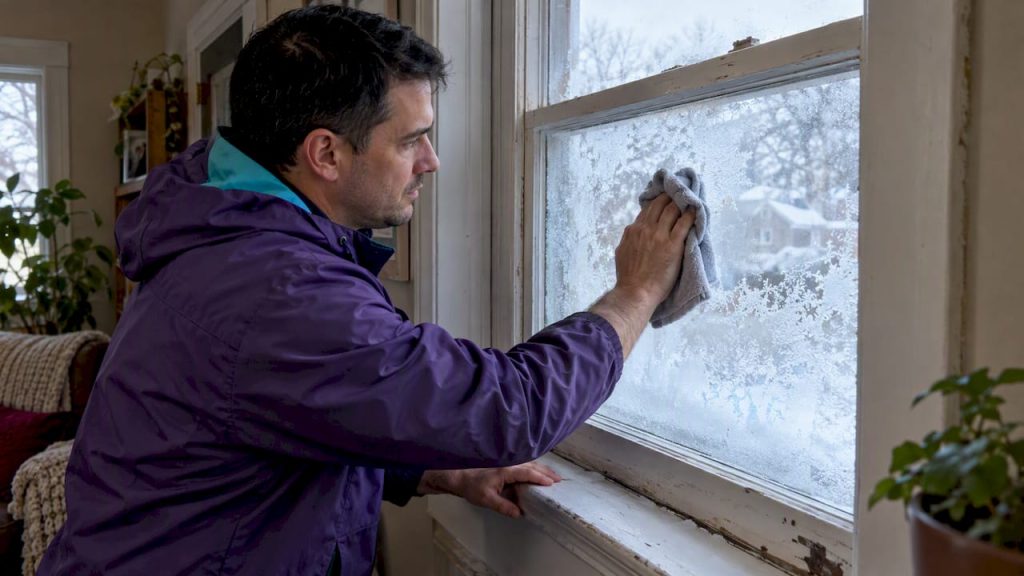
Yes, interior windows can be cleaned any time in winter, and exterior windows can be cleaned safely when the glass itself isn’t frozen or coated in salt spray. Skip exterior work during active snowfall or when surface temperatures sit at or below freezing. For high windows, stubborn hard-water stains, or icy conditions, hiring a pro is the safer call.
TL;DR:
- Cleaning exterior windows in winter is safe when surface temperatures stay above freezing and there is no active snowfall or icy conditions.
- Using a solution with alcohol and water reduces the risk of freezing and ensures streak-free results during colder months.
- High or icy exterior windows require professional cleaning due to the fall risks and the difficulty of safe ladder access in winter weather.
- Clearing frost or ice with gentle warmth and waiting for natural thaw prevents glass stress and damage before cleaning.
- Wiping runoff immediately after cleaning prevents refreezing on frames and walkways, reducing slip hazards and mineral deposits.
Table of Contents
- Why winter cleaning is worth it, and the myths holding homeowners back
- Safe temperatures, timing, and winter-safe cleaning mixes
- Tools and the step-by-step method for a streak-free clean
- Exterior techniques and the red flags that mean it’s time to call a pro
- Condensation, seal health, and keeping windows in good shape all winter
- Clothing and personal safety when cleaning in cold conditions
- Handling ice and frost buildup before you clean
- Keeping water from running off and refreezing after you clean
- A practical take on winter window care
- Winter window service from E&R Cleaning Solutions
- Sources
- FAQ
Why winter cleaning is worth it, and the myths holding homeowners back
Road salt, grime, and hard water don’t wait for spring. Left on glass and frames through the cold months, they etch surfaces and stain trim, turning a quick wipe-down into a bigger repair later. Cleaning now protects the glass and the frame finish around it.
There’s also an immediate payoff. Clean windows let in more of the limited daylight winter offers, and they sharpen the view and curb appeal right when holiday guests are looking. Several common beliefs get in the way of this, though.
- Windows don’t become unusable the moment they get dirty again, so there’s no need to wait for a “clean slate” season.
- Cold weather alone doesn’t ruin a cleaning job. The real risk is freezing water on the glass, not the act of cleaning itself.
- Professionals regularly work through winter by using methods that avoid thermal shock, not by waiting it out.
The idea that windows should only be cleaned in spring and fall is more habit than rule. Interior glass, in particular, benefits from attention whenever it needs it.
Safe temperatures, timing, and winter-safe cleaning mixes
Water freezes at 32°F, and that number matters more for your glass surface than for the air around it. A window can read colder than the thermometer on a sunny, windy day, so judge the glass itself, not just the forecast.
Timing matters almost as much as temperature. Cleaning experts recommend early morning, late afternoon, or overcast days, since direct sunlight speeds evaporation and leaves streaks behind, according to RealSimple. That advice holds in winter too: a bright, sunny window is still a bad time to clean, even if the air feels brisk and dry.
32°F is the line. Water freezes at that EPA-recognized threshold, so any cleaning solution left wet on glass below that point risks turning into a thin layer of ice rather than evaporating cleanly.
A simple winter-safe mix helps here:
- Combine isopropyl alcohol with water and a drop of dish soap to lower the freezing point of your solution.
- Skip very hot water on cold glass. The temperature swing can stress the pane.
- Keep a dry microfiber towel on hand to catch runoff before it has a chance to refreeze.
Tools and the step-by-step method for a streak-free clean
A short tool list covers almost every job:
- A microfiber scrubber or mop head
- A squeegee with a clean rubber blade
- Several dry microfiber towels
- A bucket for your cleaning mix
- A stable ladder, if reaching second-story glass
- A gentle, non-ammonia cleaner or the alcohol mix above
Pro Tip: Work in sections no larger than two feet square in cold weather so your cleaning solution never sits long enough to freeze before you squeegee it off.
- Dust the frame and sill first so grit doesn’t scratch the glass once it’s wet.
- Apply your cleaning solution with the microfiber scrubber, working top to bottom.
- Pull the squeegee across the glass in a single, steady stroke, wiping the blade dry between passes.
- Dry the frame and sill edges immediately with a microfiber towel to stop drips from freezing in place.
- Check the corners, where solution tends to pool and residue tends to hide.
For exterior touches, rinse the glass first to loosen loose grit before you ever touch it with a cloth, and keep sections small for the same reason you do indoors. Salt deposits near the base of a window need a gentle hand. Scrub, don’t scrape. If you’re on a ladder, stop the moment footing feels uncertain or wind picks up; no window is worth a fall. A tool checklist built for homeowners covers additional specifics if you want to go deeper on equipment.
Exterior techniques and the red flags that mean it’s time to call a pro
Before you touch a single exterior pane, check conditions. Active snowfall, freezing spray off a nearby roofline, or icy window sills are all reasons to wait. If the glass itself feels colder than the air, that’s your cue to postpone, since surface temperature, not the forecast, determines whether your cleaning solution will freeze on contact.
Salt residue and hard-water spots need patience more than force.
- Never use a metal scraper on glass. It can scratch the surface permanently.
- Avoid very hot water on cold panes. The sudden temperature change can crack or stress glass.
- Rinse salt deposits with a diluted solution rather than scrubbing them dry.
Some jobs are better left to a professional outright. High windows that require extension ladders or rooftop access carry real fall risk in icy conditions. Hard-water etching that won’t lift with gentle cleaning often needs mechanical restoration work, not another round of soap and water. And if a pane already shows signs of stress, cracking, or a failing seal, cleaning it yourself could make a bad situation worse. A guide to the standard residential cleaning process outlines what a professional visit typically involves if you’re weighing the decision.
Condensation, seal health, and keeping windows in good shape all winter
Foggy glass in winter is usually about humidity, not dirt. Indoor moisture condenses on cold glass surfaces, and the EPA’s building guidance ties this directly to indoor humidity levels and how airtight the window assembly is. Cutting indoor humidity and improving ventilation is the first fix, and a partner resource on humidity control walks through practical target ranges for homeowners.
Fog that appears between two panes of glass, rather than on the inside surface, points to a different problem: a failed seal letting moisture into the gas-filled gap. No amount of cleaning fixes that. It calls for a repair or replacement.
A short seasonal checklist keeps small issues from becoming big ones:
- Inspect weatherstripping and seals for gaps or cracking.
- Clear debris from window tracks so they open freely.
- Lubricate hinges and locks before cold fully sets in.
- Note any seal or glass issues now so repairs can happen before spring.
Clothing and personal safety when cleaning in cold conditions
Cold-weather cleaning is as much about dressing right as it is about technique. Wet gloves and cold metal tools are a fast way to lose feeling in your fingers, so go with waterproof gloves that still let you grip a squeegee handle firmly. Layering matters more than a single heavy coat: a moisture-wicking base layer under a windproof outer shell keeps you working longer without overheating or getting chilled when you stop.
Footwear deserves the same attention. Rubber-soled boots with real tread grip wet or icy surfaces far better than everyday sneakers, especially on a ladder or a sloped walkway near the house. If you’re working outside for more than a few minutes, a hat and a scarf or neck gaiter cut heat loss fast, since you lose warmth quickly through your head and neck in cold wind.
Ladder work adds its own rules. Cold hands fumble tools, so check your grip before climbing, and never carry a bucket in one hand while climbing with the other. Set the ladder on dry, stable ground, never on ice or packed snow, and have someone nearby if you’re working above the first floor. Take breaks to warm up indoors if your hands start to feel clumsy. That’s your body telling you dexterity is dropping, which is exactly when small mistakes happen.

Handling ice and frost buildup before you clean
Frost and ice on a window are a sign to pause, not push through. Scraping frozen glass with anything metal risks permanent scratches, so let nature or gentle warmth do the work first. If the sun will reach that window naturally within an hour or two, waiting is often the easiest fix.
When you need to move faster, a lukewarm damp cloth held against the frost for a few seconds at a time can loosen it without shocking the glass. Avoid pouring warm water directly onto frozen panes. The sudden shift from frozen to warm can stress the glass, and on an older or already-weakened pane, that stress can crack it.
Once the frost has cleared, check the sill and frame for trapped ice before you start cleaning. A thin layer there can crack under a scrub brush or send meltwater back onto the glass, undoing the work you just did. Give frames an extra minute to fully thaw and dry before applying any cleaning solution, so the mix doesn’t hit a cold surface and refreeze before you can wipe it away.
Keeping water from running off and refreezing after you clean
The last step of any winter cleaning job is often the one people skip, and it’s the one that causes ice patches later. Water that runs down a frame and drips onto a sill, a walkway, or a step can refreeze within minutes once the sun moves off that surface, creating a slip hazard nobody wants on their own front path.
Dry as you go instead of waiting until the whole window is done. Wipe the sill and the base of the frame with a dry microfiber towel immediately after squeegeeing, catching runoff before gravity pulls it somewhere you don’t want ice to form. For exterior jobs, keep an eye on where water pools below the window, especially on concrete steps or stone walkways that hold moisture longer than siding does.
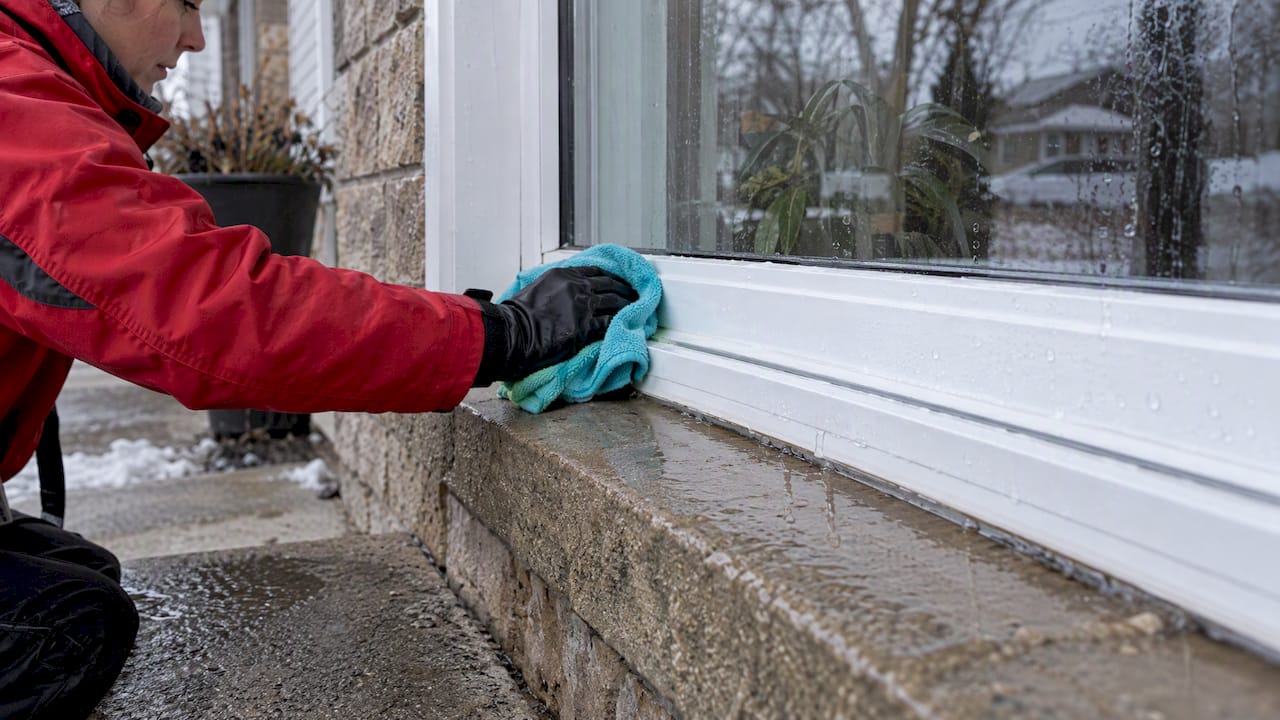
If you’re cleaning several windows in one session, work from the top of the house down when possible. That way, runoff from an upper window doesn’t drip onto a pane you already finished, forcing a redo. A few extra minutes of drying and watching where water lands saves a slip later and keeps your freshly cleaned glass from spotting as the water refreezes and leaves mineral traces behind.
A practical take on winter window care
Most homeowners overdo caution indoors and undergo it outdoors. Interior glass is almost always safe to clean whenever it bothers you, while exterior work deserves a real check of conditions before you start. The bigger mistake is waiting until spring and letting salt and hard water sit for months. A quick winter touch-up, timed around the next mild afternoon, beats a bigger cleanup later and sets you up well for pre-spring prep.
— Richard
Winter window service from E&R Cleaning Solutions
Not every winter window job is a DIY afternoon, especially with high glass, persistent hard-water staining, or icy conditions that make ladder work risky. Professional services can handle both the simple and the stubborn jobs, often emphasizing honest pricing and a family-run approach to estimates.

Winter visits for window cleaning typically include interior cleaning on flexible schedules, exterior work as weather permits, gentle treatment for salt residue and hard-water marks, and adherence to safety protocols for high or icy jobs.
Our residential window cleaning process walks through what to expect on a visit, and quotes are custom to your property rather than a flat rate pulled from a price sheet. If hard-water buildup has gotten ahead of regular cleaning, our pressure washing guidance covers when that approach makes sense too. Request an estimate through our main service page to get a price built around your actual windows and conditions.
Sources
- Is There a Right Time to Clean Your Windows? – RealSimple
- Building Air Quality: A Guide for Building Owners and Facility Managers – Appendix C: Moisture, Mold and Mildew – EPA
- The Best Time To Clean Your Windows (& When To Avoid It) – AOL
FAQ
Is it worth cleaning windows in winter?
Yes, especially for interior glass, which can be cleaned anytime without weather risk. Winter cleaning also prevents salt and hard-water residue from sitting on exterior glass and frames for months, which can lead to etching or staining over time.
What month is best to clean windows?
Exterior windows are typically cleaned twice a year, in spring and fall, while interior windows can be cleaned as often as needed, roughly once a month in many households, according to cleaning-industry guidance. Winter touch-ups between those seasonal cleans help prevent buildup rather than replacing them.
When should you not clean windows?
Avoid exterior cleaning during active snowfall, freezing spray, or when the glass surface itself is at or below 32°F, since water can freeze before it evaporates. Direct midday sun is also a poor time, since cleaning solution evaporates too fast and leaves streaks, per timing advice from RealSimple.
How often should house windows be washed?
Interior windows benefit from monthly attention in many households, while exterior windows are commonly cleaned twice yearly, in spring and fall, based on standard cleaning recommendations. Homes near salted roads or coastal spray often need more frequent exterior attention to prevent residue buildup.