The Role of Pressure Washing Between Tenancies
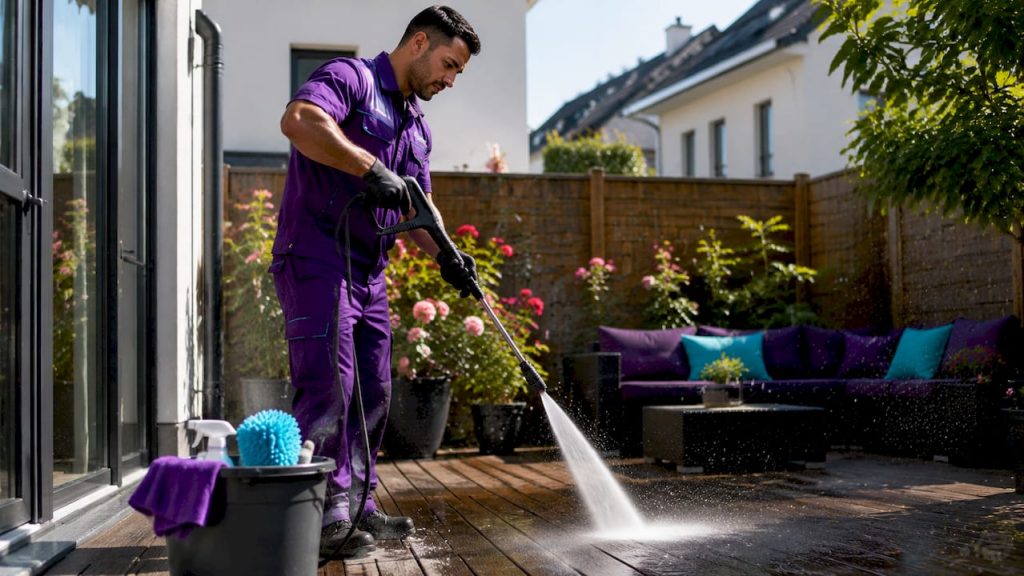
Pressure washing between tenancies is defined as the scheduled exterior cleaning of a rental property during the vacancy period between one tenant leaving and the next moving in. This preventive maintenance step protects surfaces, removes biological growth, and restores curb appeal before a new lease begins. Properties with well-maintained exteriors lease 15–20% faster than those with neglected facades. That gap directly affects your vacancy costs and rental income. Whether you own a single-family rental or manage a portfolio, understanding the role of pressure washing in property upkeep is one of the most practical decisions you can make.
How does pressure washing support property upkeep and turnover efficiency?
Pressure washing is not purely cosmetic. It is a preventive maintenance step that protects building materials and reduces long-term liability. Skipping it between tenants allows organic growth to take hold, and the damage compounds quickly.
Moss, algae, and mildew do not just look bad. Neglecting exterior surfaces allows moss and algae to embed, causing concrete damage and mold infiltration that raises both repair costs and liability exposure. Once organic growth penetrates a surface, you are no longer dealing with a cleaning problem. You are dealing with a structural one.
The safety angle matters just as much. Regular pressure washing prevents slip hazards caused by algae and moss on walkways and driveways, and it removes allergens from exterior surfaces. For landlords, that directly reduces the risk of tenant injury claims.
Curb appeal drives leasing speed. Homes with clean exteriors appraise higher than those with neglected facades, which supports both rental pricing and faster tenant placement. A property that photographs well and shows well fills faster.
Key benefits of pressure washing during property turnover include:
- Mold and mildew removal from siding, fences, and patios before new tenants move in
- Slip hazard elimination on driveways, steps, and walkways
- Surface preservation for concrete, wood decking, and vinyl siding
- Allergen reduction from exterior walls and entryways
- Curb appeal restoration that supports faster lease-up and stronger rental pricing
Pro Tip: Schedule pressure washing immediately after a tenant vacates, before interior cleaning begins. Overspray and runoff from exterior work can dirty windows and entryways that you have already cleaned inside.
What are landlord and tenant responsibilities for pressure washing?
Responsibility for pressure washing between tenancies depends on the lease agreement and local property management standards. Most landlords treat exterior cleaning as a landlord obligation during turnover, not a tenant duty. That is the right call for several reasons.
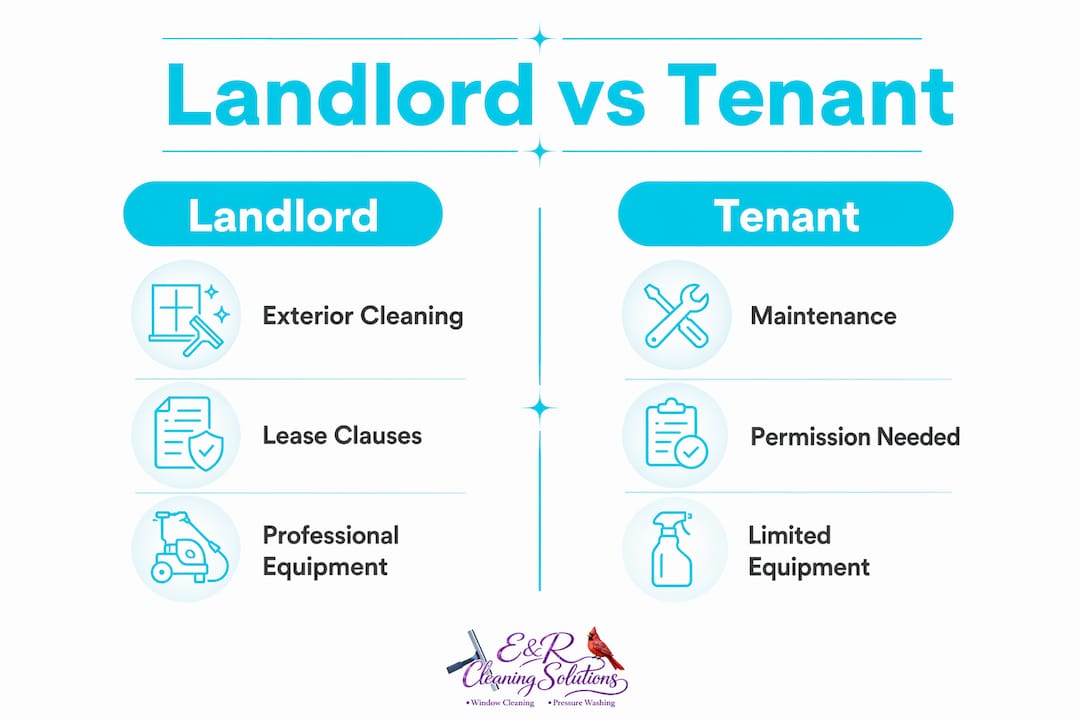
Tenants rarely have access to professional-grade equipment. Industrial-grade washers use 1,500–4,000 PSI for deep cleaning, a range that removes embedded grime without surface damage when used correctly. A tenant with a rented consumer unit and no training is more likely to strip paint, crack grout, or force water behind siding than to clean effectively.
Landlords who include pressure washing in their standard turnover checklist protect themselves legally and financially. Turnover exterior maintenance helps landlords avoid $3,000 to $5,000 in vacancy and repair costs by keeping the property in condition that attracts quality tenants and supports longer tenancies. That is a strong return on a service that typically costs a fraction of that amount.
A practical turnover process for landlords looks like this:
- Conduct a move-out inspection and document all exterior surface conditions with photos.
- Schedule professional pressure washing within the first few days of vacancy, covering all major exterior surfaces.
- Pair pressure washing with window cleaning for a complete exterior refresh. Combining services like commercial window cleaning with pressure washing gives you a property that looks fully maintained, not just spot-cleaned.
- Review and update the lease to clarify that tenants are responsible for keeping exterior areas free of debris, but that deep cleaning is a landlord-managed service.
- Document the cleaned condition with photos before the new tenant takes possession. This protects you if damage claims arise at the next move-out.
Pro Tip: Add a clause to your lease specifying that tenants must not use pressure washers on the property without written permission. Improper use by tenants is one of the most common causes of siding and deck damage on rental properties.
How much does pressure washing cost for rental properties?
Cost is the most common reason landlords delay pressure washing, and it is usually based on an inaccurate estimate. Typical pressure washing for a 2,000 sq ft house ranges from $300 to $600 depending on location and surface types. That is a one-time turnover expense that protects surfaces worth tens of thousands of dollars.
Several factors push costs up or down:
- Surface area: Larger properties with more linear footage of siding, longer driveways, or multiple patios cost more.
- Surface condition: Heavy moss, oil stains, or years of buildup require more time and sometimes chemical pre-treatment.
- Surface type: Soft wash techniques for wood and painted surfaces differ from high-pressure concrete cleaning, and pricing reflects that.
- Frequency: Properties cleaned at every turnover cost less per visit than those cleaned after years of neglect.
DIY pressure washing appears cheaper upfront, but the math changes when you factor in equipment rental, chemical costs, and the risk of surface damage. A cracked concrete driveway or stripped deck finish costs far more to repair than a professional cleaning visit. Many landlords consider pressure washing part of their turnover checklist, recognizing that the low cost relative to avoided repairs makes it one of the highest-return maintenance items on the list.
What surfaces benefit most from pressure washing between tenants?
Every rental property has exterior surfaces that accumulate grime, biological growth, and staining between tenancies. Some surfaces are more vulnerable than others, and knowing which ones to prioritize helps you get the most from each cleaning.
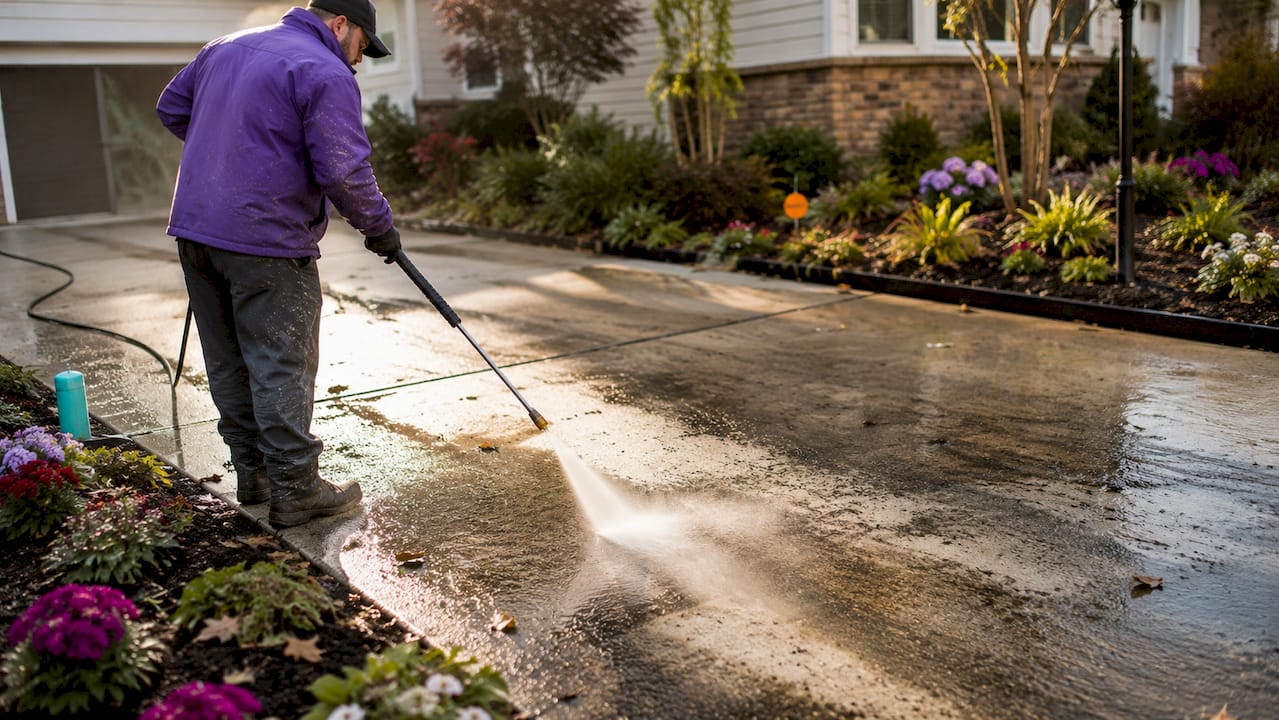
Driveways and walkways are the highest-priority surfaces. Oil stains, tire marks, and algae growth make them look neglected and create genuine slip hazards. Concrete responds well to high-pressure cleaning, and the visual improvement is immediate.
Siding collects mold, mildew, and airborne dirt over time. Vinyl siding is durable but stains visibly. Wood siding is more vulnerable to moisture damage if cleaning is deferred. Both benefit from pressure washing, though wood requires lower pressure settings to avoid fiber damage.
Patios and decks accumulate organic growth faster than any other surface because they stay damp. A landlord’s guide to patio cleaning covers the specific techniques that protect deck materials while removing embedded grime. Skipping patios between tenants is one of the fastest ways to shorten the lifespan of a wood or composite deck.
Fences collect mold and weathering stains that make a property look older than it is. A clean fence signals that the property is actively maintained, which matters to prospective tenants during showings.
Gutters and fascia boards benefit from exterior washing as part of a full-property clean. Pressure washing removes the streaking and organic buildup that collects on fascia, which is often visible from the street.
Pairing pressure washing with residential window cleaning gives you a complete exterior refresh. Clean windows and clean surfaces together create the kind of first impression that moves a property off the market quickly.
What are the best practices for pressure washing between tenancies?
Getting the most from pressure washing means avoiding the mistakes that cause surface damage or incomplete results. The technique matters as much as the equipment.
- Match pressure to the surface. Concrete handles 3,000+ PSI without damage. Wood siding and decking need 500–1,200 PSI. Using high pressure on soft materials strips finishes and forces water into joints.
- Use the right detergents. Mold and algae require chemical pre-treatment before pressure washing for full removal. Water alone does not kill biological growth. It just moves it.
- Work top to bottom. Start at the roofline and work down so dirty water does not run over cleaned surfaces.
- Avoid spraying directly into vents, electrical fixtures, or window seals. Water intrusion in these areas causes damage that far exceeds the cost of a cleaning visit.
- Time it correctly. Pressure wash after the previous tenant leaves and before any interior work or painting begins. Wet surfaces need drying time before paint or sealant is applied.
Pro Tip: If you notice paint peeling, wood softness, or cracked caulk during pressure washing, treat those as repair flags. Pressure washing reveals deferred maintenance that is easier and cheaper to fix before a new tenant moves in.
Signs that professional service is the right call include large surface areas, visible mold on siding, oil-stained concrete, or any surface where incorrect pressure could cause damage. The cost difference between DIY and professional is small. The cost difference between a clean result and a damaged surface is not.
Key Takeaways
Pressure washing between tenancies protects property value, prevents structural damage, and reduces vacancy time by presenting a clean, safe exterior to prospective tenants.
| Point | Details |
|---|---|
| Faster lease-up | Well-maintained exteriors lease 15–20% faster, cutting vacancy costs directly. |
| Structural protection | Moss and algae embed into concrete and siding, causing damage that costs far more than cleaning. |
| Landlord responsibility | Landlords should own turnover pressure washing. Tenant-performed cleaning risks surface damage. |
| Cost vs. savings | A $300–$600 cleaning protects against $3,000–$5,000 in vacancy and repair costs. |
| Surface priority | Driveways, siding, patios, and fences need cleaning at every turnover to prevent compounding damage. |
Why I think landlords underestimate pressure washing
Most landlords I talk to treat pressure washing as optional. They budget for interior paint, carpet cleaning, and appliance checks, then cut exterior cleaning when they want to save money. That is exactly backwards.
The exterior is what prospective tenants see first. Properties with neglected exteriors lose 30–40% of prospective showing interest. You can have a perfectly renovated interior and still lose tenant interest because the driveway is stained and the siding looks gray with mold. No amount of interior staging fixes a bad first impression from the street.
The financial case is just as clear. Deferred exterior maintenance does not stay cosmetic. Algae and moss work into surface materials over months. What costs $400 to clean today costs $2,000 to repair in two years. Pressure washing is one of the few maintenance items where the return on investment is almost immediate and measurable.
My honest advice: build pressure washing into your standard turnover budget the same way you budget for interior cleaning. Treat it as non-negotiable, not optional. The landlords who do this consistently have shorter vacancies, fewer repair surprises, and tenants who take better care of properties that clearly receive regular attention.
— Richard
Professional pressure washing for your rental property
E and R Cleaning Solutions provides professional pressure washing and window cleaning services for residential and commercial rental properties. Their family-run team brings over five years of experience to every turnover job, with honest pricing and attention to detail that property managers rely on.

Whether you manage a single rental or a portfolio of properties, E and R Cleaning Solutions handles the exterior cleaning that protects your investment between tenancies. Their services pair pressure washing with professional window cleaning for a complete exterior refresh that photographs well and leases faster. Contact E and R Cleaning Solutions to schedule your next turnover clean and get a transparent quote with no surprises.
FAQ
What is the role of pressure washing between tenancies?
Pressure washing between tenancies is a preventive exterior cleaning step that removes mold, algae, grime, and slip hazards from rental property surfaces during the vacancy period. It protects building materials, improves curb appeal, and prepares the property for the next tenant.
How often should landlords pressure wash a rental property?
Landlords should pressure wash at every tenancy turnover, and at least once per year for long-term tenants. High-moisture climates or properties with heavy tree cover may require more frequent cleaning to prevent moss and algae buildup.
Is pressure washing a landlord or tenant responsibility?
Exterior pressure washing is typically a landlord responsibility, especially during turnover. Tenants should not use pressure washers without written permission, as improper technique is a common cause of siding and deck damage on rental properties.
How much does pressure washing a rental property cost?
Pressure washing a 2,000 sq ft house typically costs $300–$600 depending on location, surface types, and condition. That cost is small compared to the $3,000–$5,000 in vacancy and repair costs that regular maintenance helps avoid.
What surfaces should be pressure washed between tenants?
Driveways, walkways, siding, patios, decks, and fences are the highest-priority surfaces. Each accumulates biological growth and staining between tenancies, and cleaning them at turnover prevents compounding damage and restores curb appeal before new tenants arrive.