Soft Washing for Commercial Buildings: 2026 Guide
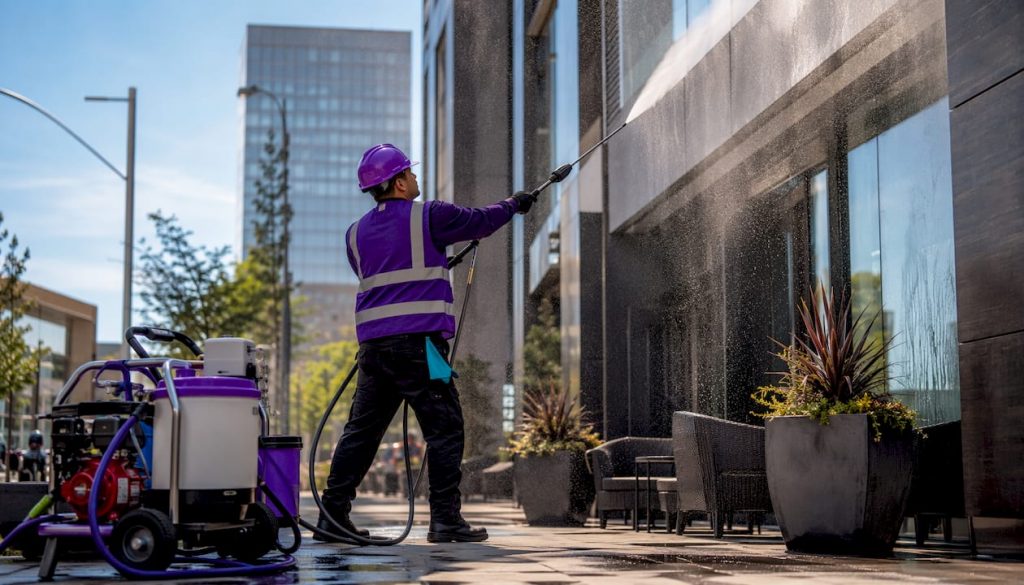
Soft washing is defined as a low-pressure exterior cleaning method that uses biodegradable solutions containing sodium hypochlorite and surfactants to kill mold, algae, mildew, and bacteria at the root. The role of soft washing in commercial buildings goes far beyond surface appearance. It preserves warranties, protects delicate finishes, and extends the lifespan of exterior materials that high-pressure methods would damage. Property managers who treat exterior cleaning as a maintenance discipline rather than a cosmetic task consistently get better long-term results. E and R Cleaning Solutions applies this approach to commercial properties, combining technical knowledge with honest service.
What surfaces on commercial buildings benefit most from soft washing?
Professional guidelines as of mid-2026 identify asphalt shingle roofing, painted siding, stucco, and wood as the surfaces that require soft washing specifically. High-pressure methods on these materials can void roof warranties and strip protective finishes permanently. That is not a recoverable mistake on a commercial property.
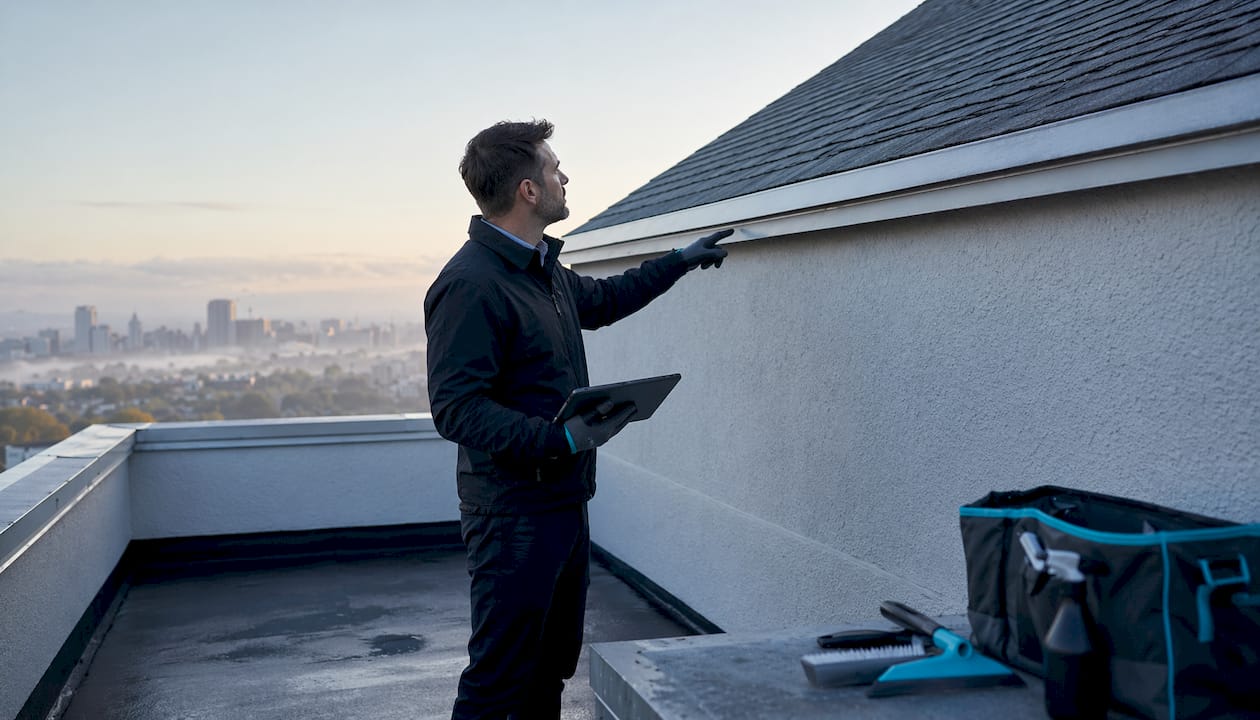
The reason these surfaces are so vulnerable comes down to their structure. Asphalt shingles use granules bonded to a fiberglass mat. Pressure washing blasts those granules off, accelerating weathering by years. Painted siding loses its coating. Stucco, which is porous by design, absorbs forced water and cracks from the inside out. Wood swells, splinters, and invites rot when saturated under pressure.
Property managers should look for these surface sensitivity signals before scheduling any cleaning:
- Visible paint or coating on the substrate
- Textured or porous finishes such as stucco or EIFS (Exterior Insulation and Finish System)
- Any roofing material other than concrete or clay tile
- Wood trim, fascia boards, or wood panel cladding
- Older siding with compromised seals around windows or joints
Pro Tip: Run a simple water-bead test on a small section of the surface. If water absorbs quickly rather than beading, the surface is porous and soft washing is the correct method.
Concrete walkways, brick, and metal panels tolerate higher pressure and often need it to remove heavy industrial soil. The skill in commercial exterior cleaning is matching the method to the material, not defaulting to one approach for the entire building.
How does soft washing compare to pressure washing for commercial exterior cleaning?
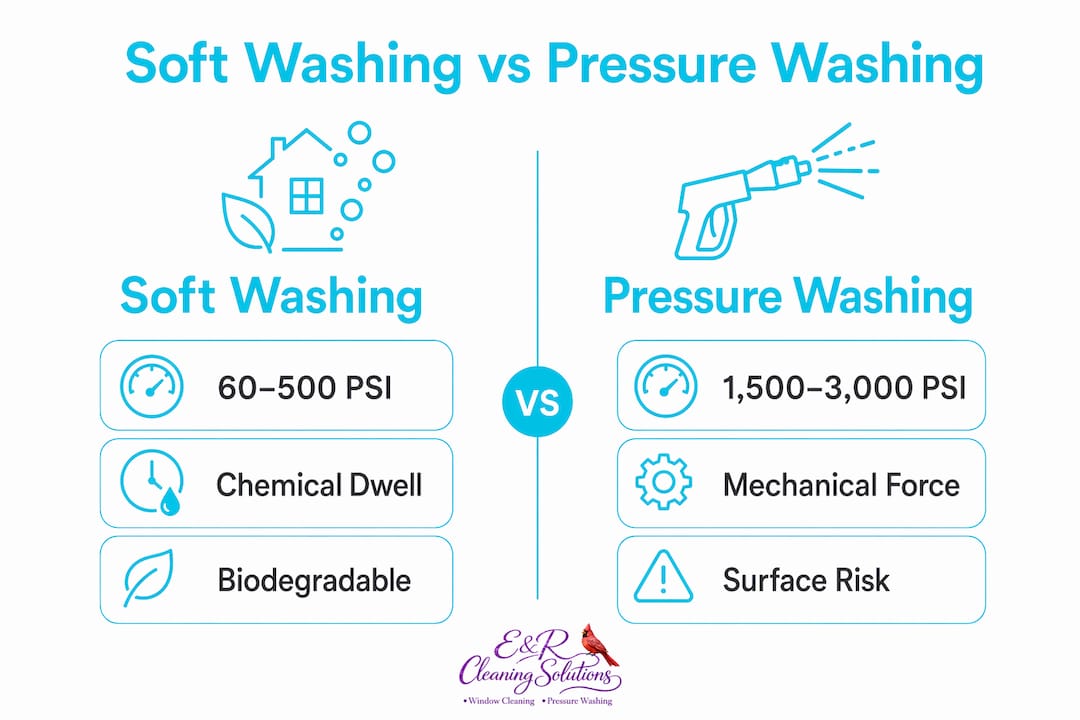
The pressure difference between these two methods is the starting point for every other comparison. Soft washing operates under 500 PSI, sometimes as low as 60 PSI, while pressure washing typically uses 1,500–3,000 PSI. That gap is not a minor technical detail. It determines whether a surface survives the cleaning intact.
Pressure washing relies on mechanical force to remove soil. Soft washing relies on chemical dwell time. The biocidal solution sits on the surface, penetrates organic growth, and kills it at the cellular level. The low-pressure rinse then removes the dead material. This distinction matters because high-pressure washing carries a specific structural risk: water intrusion behind siding and window seals, which causes hidden mold and rot that property managers often do not discover until repairs become expensive.
| Category | Soft washing | Pressure washing |
|---|---|---|
| Operating PSI | 60–500 PSI | 1,500–3,000 PSI |
| Cleaning mechanism | Chemical biocidal action | Mechanical force |
| Best surfaces | Shingles, stucco, wood, painted siding | Concrete, brick, metal panels |
| Result duration | 2–3 times longer than pressure washing | Shorter; regrowth returns faster |
| Warranty risk | Low | High on delicate surfaces |
| Structural risk | Minimal | Water intrusion behind seals |
Cost analysis reinforces the case for soft washing on appropriate surfaces. For a 10,000 sq ft building, soft washing costs $4,000 every 24 months versus pressure washing at $2,500 every 12 months. That works out to $500 in annual savings with soft washing, plus avoided repair costs from surface damage. The upfront price looks higher. The total cost of ownership is lower.
Pressure washing is not the wrong choice across the board. It is the right choice for concrete parking decks, loading docks, and heavy-traffic hardscaping where mechanical force is needed to cut through grease and compacted grime. The error property managers make is applying one method to an entire building without evaluating each surface type.
What is the science behind soft washing’s effectiveness?
Soft washing is not gentler pressure washing. It is a chemical-based sanitation process that targets organic growth at the biological level. Expert exterior maintenance professionals describe it as disrupting the cellular respiration of algae and mold rather than merely removing surface stains. That distinction explains why results last 2–3 times longer than pressure washing.
The active ingredient is sodium hypochlorite, the same compound used in water treatment. When mixed at the correct concentration and applied to a surface, it breaks down the cell walls of algae, mold, mildew, and bacteria. The organism dies rather than being displaced. Pressure washing, by contrast, removes visible growth but leaves the root structure and spores behind. Regrowth appears faster because the biological source was never eliminated.
Surfactants play a critical supporting role. Surfactants in soft washing solutions increase the adhesion of biocidal chemicals on vertical and sloped surfaces, reducing runoff and improving organic growth eradication. Without surfactants, the solution would sheet off a roof slope before the sodium hypochlorite had time to work. With them, the solution clings, dwells, and penetrates.
“Soft washing treats a building’s exterior the way antibiotics treat an infection. You are not wiping away symptoms. You are eliminating the organism causing them. That is why the results hold.”
Pro Tip: Ask any contractor for their sodium hypochlorite concentration and surfactant mix ratio before hiring them. A professional will answer without hesitation. Vague answers signal inexperience with chemical formulation.
Correct mix ratios also protect surrounding landscaping. An overly concentrated solution damages plants and soil. A properly formulated mix, applied with the right dwell time and rinsed thoroughly, poses minimal environmental risk. This is why chemical formulation and application technique are as important as the equipment itself.
How should commercial property managers implement soft washing?
A hybrid approach is the current industry standard for commercial building care. Soft washing handles delicate surfaces: roofing, painted facades, stucco, and wood elements. Pressure washing handles durable surfaces: concrete, brick, and metal. Applying this split systematically across a maintenance schedule protects every surface type without compromise.
A practical implementation plan looks like this:
- Audit the building exterior by material type. Map each surface and assign it to either soft washing or pressure washing. Do this before scheduling any service.
- Set a cleaning frequency by surface. Soft-washed surfaces typically need treatment every 18–24 months. High-traffic hardscaping may need pressure washing two to four times per year.
- Verify contractor credentials before signing. Confirm that the contractor uses biodegradable solutions, carries liability insurance, and follows OSHA safety protocols for chemical handling and PPE. OSHA mandates proper protective equipment to prevent eye injury, chemical burns, and inhalation hazards during exterior cleaning operations.
- Request a written chemical disclosure. Responsible contractors list the cleaning agents used and their environmental safety ratings. This protects you from liability if runoff affects neighboring properties or storm drains.
- Document results with before-and-after photography. This creates a maintenance record that supports property valuations, insurance claims, and inspection readiness. The 2026 guide to commercial exterior cleaning before inspections outlines exactly what documentation inspectors look for.
Environmental considerations have become a practical requirement, not just a preference. Many municipalities now regulate cleaning chemical runoff into storm drains. Biodegradable soft washing solutions reduce this risk significantly compared to petroleum-based degreasers used in some pressure washing applications.
Pro Tip: Schedule soft washing in spring or early fall when temperatures are moderate. Sodium hypochlorite loses effectiveness in extreme heat, and freezing temperatures prevent proper dwell time. Timing the service correctly improves results without changing the cost.
The long-term financial case for integrating soft washing into a maintenance program is clear. Surfaces cleaned correctly last longer, require fewer repairs, and maintain their appearance between service intervals. For property managers responsible for multi-tenant commercial buildings, that translates directly to tenant retention and asset value.
Key takeaways
Soft washing is the most cost-effective exterior cleaning method for commercial buildings with delicate surfaces, delivering longer-lasting results by killing organic growth at the root rather than displacing it.
| Point | Details |
|---|---|
| Soft washing defined | Low-pressure cleaning at 60–500 PSI using sodium hypochlorite and surfactants to kill organic growth. |
| Surface suitability | Required for asphalt shingles, painted siding, stucco, and wood to avoid warranty voids and surface damage. |
| Cost advantage | Soft washing a 10,000 sq ft building saves $500 per year over pressure washing when total frequency is factored in. |
| Result duration | Soft washing results last 2–3 times longer than pressure washing because it eliminates organisms rather than removing them. |
| Implementation standard | A hybrid approach combining soft washing for delicate surfaces and pressure washing for durable ones is current best practice. |
What I’ve learned from watching property managers choose the wrong method
The most common mistake I see is choosing a cleaning method based on speed rather than suitability. A property manager sees a dirty facade and wants it clean fast. Pressure washing looks impressive in the moment. The surface looks great for six weeks. Then the algae comes back faster than before, because the root system was never touched.
I have watched buildings with perfectly good stucco facades develop hairline cracks after a single aggressive pressure wash. The damage is not always visible immediately. Water gets behind the finish, freezes in winter, and expands. By spring, the cracks appear and the repair bill arrives. The cleaning that seemed cheaper cost three times more in the end.
The other misconception I encounter regularly is that soft washing is a compromise, a slower or less thorough option for surfaces that cannot handle “real” cleaning. That framing is wrong. Soft washing is the more technically demanding process. Getting the chemical mix right, managing dwell time on a sloped roof, protecting landscaping from runoff, these require more skill than pointing a pressure wand at a wall.
My honest recommendation for any commercial property manager in 2026 is to treat exterior cleaning as a maintenance discipline with the same rigor you apply to HVAC or roofing inspections. Match the method to the material. Verify contractor credentials. Ask for chemical disclosures. The role of soft washing in building care is not to replace pressure washing but to handle the surfaces that pressure washing damages. Understanding that distinction protects your building and your budget.
— Richard
How E and R Cleaning Solutions serves commercial property managers
E and R Cleaning Solutions brings over five years of hands-on experience to commercial exterior cleaning, with service packages that combine soft washing for delicate building surfaces and pressure washing for durable ones. Every job starts with a surface audit so the right method goes to the right material.

Property managers who need specialized commercial window cleaning alongside exterior surface treatment get both services coordinated under one provider. E and R Cleaning Solutions uses biodegradable cleaning solutions, follows OSHA safety protocols, and provides transparent pricing before any work begins. Contact E and R Cleaning Solutions to schedule a site assessment and get a clear plan for your building’s exterior maintenance needs.
FAQ
What is soft washing for commercial buildings?
Soft washing is a low-pressure cleaning method using 60–500 PSI combined with sodium hypochlorite and surfactants to kill mold, algae, and bacteria on commercial building exteriors. It targets organic growth at the root, producing results that last 2–3 times longer than pressure washing.
Which commercial surfaces require soft washing instead of pressure washing?
Asphalt shingle roofing, painted siding, stucco, wood cladding, and EIFS surfaces require soft washing. High-pressure methods on these materials can void warranties and cause structural damage through water intrusion behind seals.
How often should commercial buildings be soft washed?
Most commercial buildings with soft-washable surfaces need treatment every 18–24 months. High-humidity climates or buildings near tree cover may need more frequent service due to accelerated organic growth.
Is soft washing safe for the environment?
Properly formulated soft washing solutions use biodegradable ingredients and surfactants that reduce runoff. Contractors should provide a chemical disclosure confirming environmental safety ratings and follow local regulations on storm drain protection.
What should property managers ask a soft washing contractor before hiring?
Ask for the sodium hypochlorite concentration, surfactant mix ratio, proof of liability insurance, and confirmation that the crew follows OSHA PPE requirements for chemical handling. A qualified contractor answers all four questions without hesitation.