
Why Exterior Cleaning Improves Property Occupancy
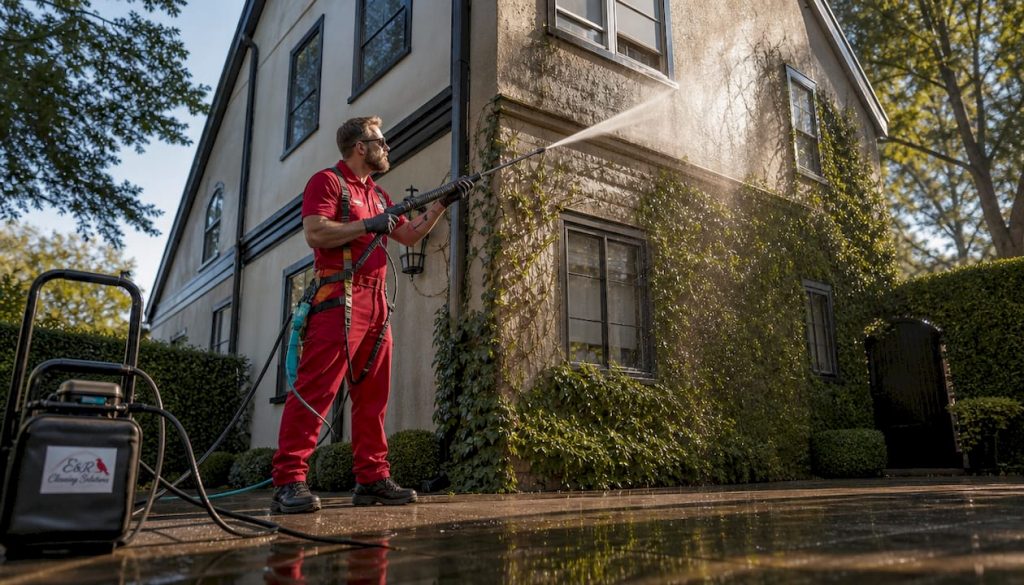
Exterior cleaning is defined as the systematic removal of dirt, biological growth, and pollutants from a building’s outer surfaces, and it directly determines how fast you fill vacancies. Property managers who treat curb appeal as a cosmetic concern are leaving money on the table. Research shows that 78% of tenants consider building cleanliness influential when renewing leases. That single figure reframes exterior maintenance from a cost line into a retention strategy. E and R Cleaning Solutions works with property owners who have learned this lesson firsthand, and the results speak for themselves.
Why exterior cleaning improves property occupancy rates
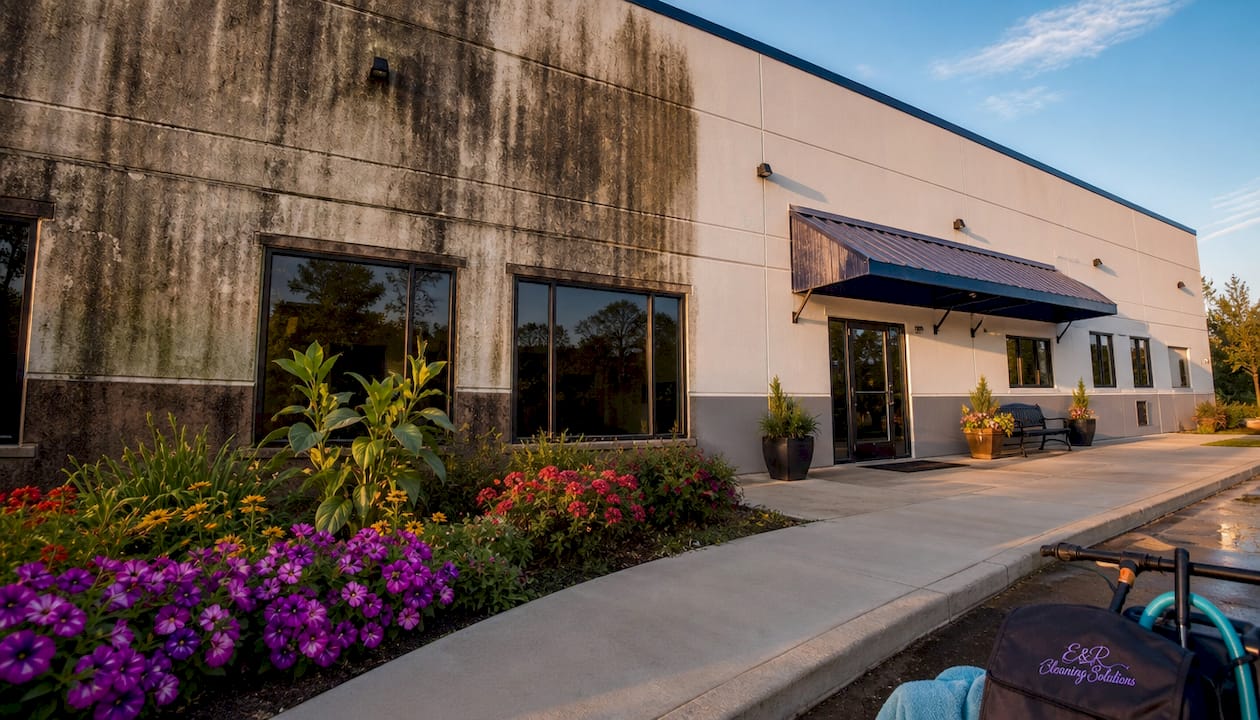
Clean exteriors create the first impression that determines whether a prospective tenant schedules a tour or keeps scrolling. That decision happens fast. A building covered in algae streaks, stained concrete, or grimy windows signals neglect before anyone steps inside. Exterior appearance is often used as a proxy for overall management quality by prospective tenants. That means a dirty facade does not just look bad. It raises a red flag about how the property is run.
The connection between clean exteriors and foot traffic is direct and measurable. Commercial properties with well-maintained storefronts attract more walk-in interest from prospective tenants and customers alike. A retail space with a pressure-washed entrance and spotless windows communicates that the business environment inside is worth entering. Curb appeal improvements can justify higher rents and reduce negotiation pressure. That is a direct financial benefit from a cleaning schedule.
Grime and biological growth also accelerate the perception of age. A building that is structurally sound but visually neglected will be compared unfavorably to newer properties, even when the comparison is not fair. Property managers who schedule commercial window cleaning and regular pressure washing consistently report shorter vacancy windows. Clean properties attract tenants with clean exteriors because the visual signal matches the quality of the space inside.
Pro Tip: Schedule a full exterior cleaning at least two weeks before listing a vacancy. Photographs taken of a freshly cleaned building generate significantly more inquiry calls than photos taken of a building in its current condition.
How does exterior upkeep affect tenant retention?
Tenant retention is where the financial math gets compelling. Turnover is expensive. Vacancy loss, leasing fees, and unit preparation costs add up fast. Properties with routine exterior maintenance experience 15% lower tenant turnover rates. That reduction translates directly into fewer months of lost rent and lower operating costs per year.
The reasons tenants stay longer in well-maintained properties are straightforward:
- Visible upkeep signals management responsiveness. When tenants see regular cleaning crews, they assume maintenance requests will also be handled promptly. That assumption reduces friction and builds trust.
- Community pride increases satisfaction. Visible maintenance efforts foster community pride, increasing tenant satisfaction by up to 20%. Tenants who feel proud of where they live or work are less likely to leave.
- Clean common areas reduce complaints. Stained walkways, mold on building facades, and dirty entryways generate tenant complaints. Eliminating those issues proactively removes a common source of lease-ending frustration.
- Exterior condition shapes lease renewal conversations. A tenant who has watched the property deteriorate over 12 months will use that decline as leverage in renewal negotiations or as a reason to leave. A tenant who has watched the property stay clean has no such argument.
Neglect compounds quickly. One season of skipped exterior cleaning allows biological growth to take hold. That growth stains surfaces, creates slip hazards on walkways, and produces odors near entryways. Each of those outcomes generates tenant complaints and, eventually, vacancy.
Does exterior cleaning protect property value and appraisal?
The answer is yes, and the mechanism is more direct than most property managers realize. Biological growth, including algae, mold, and lichen, actively degrades building materials. Algae retains moisture against surfaces, which accelerates the breakdown of siding, masonry, and wood trim. Pollutants from traffic and industrial sources etch into glass and metal over time. These are not cosmetic problems. They are structural ones.
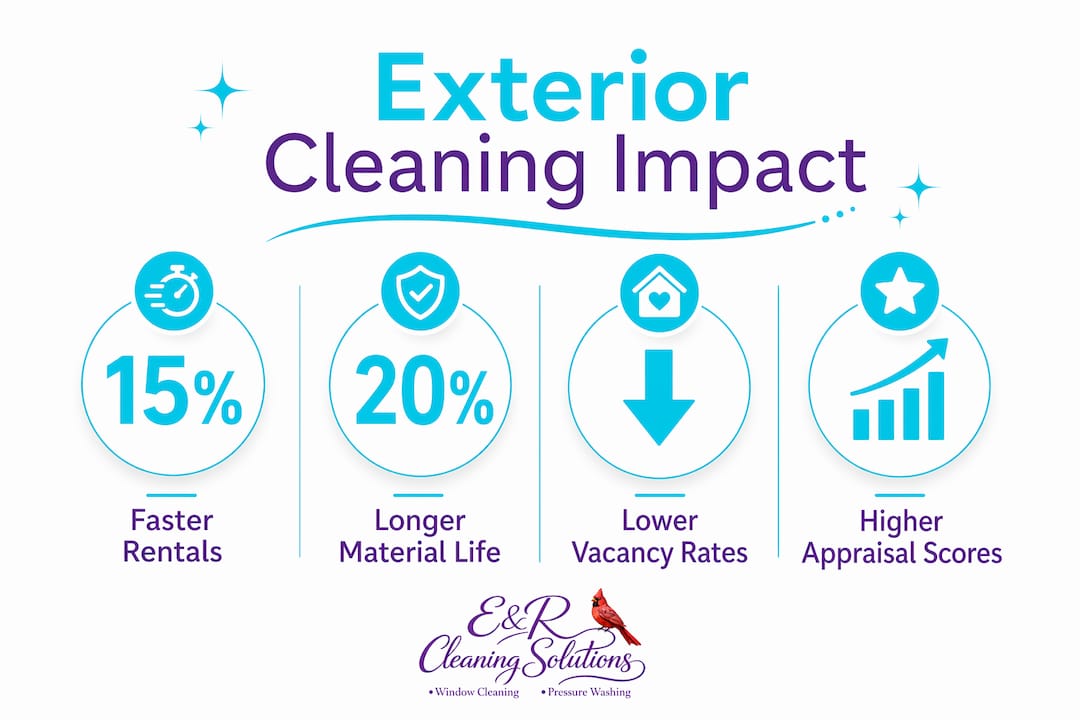
Regular exterior cleaning extends building material lifespan by over 20%, reducing costly repairs. That figure matters because repair costs are not just financial. They create disruption, generate tenant complaints, and signal deferred maintenance to appraisers and prospective buyers.
How exterior cleaning affects property appraisal is a question appraisers answer through condition ratings. A building with clean, intact siding and clear windows scores higher on condition assessments than a structurally identical building with visible staining and biological growth. Higher condition ratings support higher appraised values. That directly affects refinancing options, sale prices, and insurance premiums.
Professional power washing improves lease value by maintaining exterior condition, reducing liabilities, and improving inspections. The liability reduction piece is often overlooked. Algae and moss on walkways create slip-and-fall risks. Removing them is not just maintenance. It is risk management.
Pro Tip: Keep a cleaning log with dates, methods used, and before-and-after photos. Appraisers and insurance adjusters respond well to documented maintenance histories. It demonstrates proactive management and supports your condition rating.
| Cleaning task | Primary benefit | Secondary benefit |
|---|---|---|
| Pressure washing facades | Removes biological growth | Extends siding lifespan |
| Window cleaning | Improves natural light and appearance | Signals active management |
| Walkway cleaning | Eliminates slip hazards | Reduces tenant complaints |
| Roof and gutter cleaning | Prevents water damage | Protects structural integrity |
When and how should you schedule exterior cleaning?
Timing exterior cleaning to match environmental conditions and leasing cycles is the difference between reactive maintenance and a real occupancy strategy. Seasonal cleaning scheduled before peak leasing times ensures the property is always tour-ready. For most markets, that means cleaning in late winter or early spring before the busy leasing season begins, and again in early fall before the second leasing wave.
The scheduling logic follows environmental reality:
- Spring cleaning removes the biological growth that accumulates over wet winter months. Algae, mold, and pollen deposits are at their peak after winter, and they are the first thing prospective tenants notice during spring tours.
- Fall cleaning clears summer pollution buildup, removes organic debris from trees, and prepares surfaces for winter. Properties that enter winter clean experience less biological growth the following spring.
- Post-storm cleaning addresses debris, staining, and damage quickly. A property that looks storm-damaged for weeks signals slow management response to tenants already in residence.
Matching the cleaning method to the surface type prevents damage and protects your investment. Soft washing, which uses low pressure and cleaning solutions, is the correct method for painted wood, stucco, and older masonry. High-pressure washing suits concrete, brick, and metal surfaces. Using high pressure on the wrong surface strips paint, damages mortar, and forces water behind cladding. The right cleaning frequency depends on the surface type, local climate, and the level of biological activity in your area.
For commercial properties managing multiple units or buildings, a recurring service contract removes the scheduling burden entirely. E and R Cleaning Solutions offers recurring pressure washing and window cleaning programs designed for property managers who need consistent results without managing the logistics themselves.
Pro Tip: For rental homes with patios or outdoor common areas, treat those spaces as part of your exterior cleaning program. A clean patio is one of the most photographed features in rental listings and one of the first things prospective tenants inspect in person.
Key Takeaways
Exterior cleaning is the most cost-effective tool property managers have to reduce vacancy duration, retain tenants, and protect appraised value simultaneously.
| Point | Details |
|---|---|
| Tenant retention is measurable | Routine exterior maintenance correlates with 15% lower tenant turnover rates. |
| First impressions drive leasing speed | Clean facades reduce vacancy duration by attracting tenants before they tour. |
| Cleaning protects building materials | Regular cleaning extends material lifespan by over 20%, cutting long-term repair costs. |
| Scheduling matters as much as cleaning | Aligning cleaning with peak leasing seasons keeps properties tour-ready when it counts. |
| Appraisal value responds to condition | Clean, well-documented exteriors support higher condition ratings and appraised values. |
What I’ve learned after five years of cleaning rental properties
Property managers consistently underestimate how fast a dirty exterior erodes their negotiating position. I have seen it repeatedly. A landlord lists a unit at market rate, gets low inquiry volume, and assumes the rent is too high. They drop the price. The real problem was that the building looked abandoned from the street.
The counterintuitive truth is that exterior cleaning is not a cost. It is a pricing defense. When a building looks maintained, tenants accept the asking rent. When it looks neglected, they negotiate or walk. Exterior cleanliness is a powerful tool to justify higher lease rates and reduce tenant negotiation pressure. That is not a marketing claim. That is what happens in practice.
The property managers who get the best results treat exterior cleaning like a recurring operating expense, not a one-time fix before a sale. They schedule it twice a year, document it, and factor it into their maintenance budgets. Their vacancy rates are lower, their tenant complaints are fewer, and their properties appraise better. The math is not complicated. A clean building costs less to operate than a neglected one.
My advice to any property manager reading this: stop treating exterior cleaning as optional. Put it on a schedule, use the right methods for your surfaces, and photograph the results. You will see the difference in your inquiry volume within one leasing cycle.
— Richard
How E and R Cleaning Solutions helps property owners stay occupied
Property managers who want consistent exterior results without managing the logistics themselves work with E and R Cleaning Solutions. The team specializes in both residential and commercial properties, offering professional window cleaning and pressure washing with honest, upfront pricing.

E and R Cleaning Solutions has over five years of experience serving homeowners, landlords, and commercial property managers. Whether you manage a single rental home or a portfolio of commercial buildings, the team handles everything from specialized commercial window cleaning to full exterior pressure washing. Recurring service programs are available for property managers who need scheduled maintenance without the hassle of rebooking each time. Contact E and R Cleaning Solutions to schedule a service visit and get your property tour-ready before the next leasing season.
FAQ
How does exterior cleaning reduce vacancy rates?
Clean exteriors create stronger first impressions that attract prospective tenants faster and reduce the time a unit sits empty. Properties with routine exterior maintenance experience 15% lower tenant turnover rates, which directly reduces vacancy frequency.
What cleaning methods are safe for older building materials?
Soft washing, which uses low pressure combined with cleaning solutions, is the correct method for painted wood, stucco, and older masonry. High-pressure washing is reserved for concrete, brick, and metal surfaces where it will not cause damage.
How often should a rental property’s exterior be cleaned?
Most rental properties benefit from exterior cleaning twice per year, ideally in late winter or early spring and again in early fall. Properties in high-humidity or high-traffic areas may require more frequent cleaning to prevent biological growth.
Does exterior cleaning affect a property’s appraised value?
Yes. Appraisers use condition ratings that reflect visible maintenance, and a clean exterior supports a higher condition score. Regular cleaning also extends building material lifespan by over 20%, which reduces deferred maintenance that appraisers flag negatively.
Can exterior cleaning justify higher rent prices?
Curb appeal improvements can justify higher rents and reduce negotiation pressure from prospective tenants. A well-maintained exterior signals a premium property, which supports asking-rate acceptance rather than price concessions.