Commercial Property Cleaning Best Practices: 2026 Guide
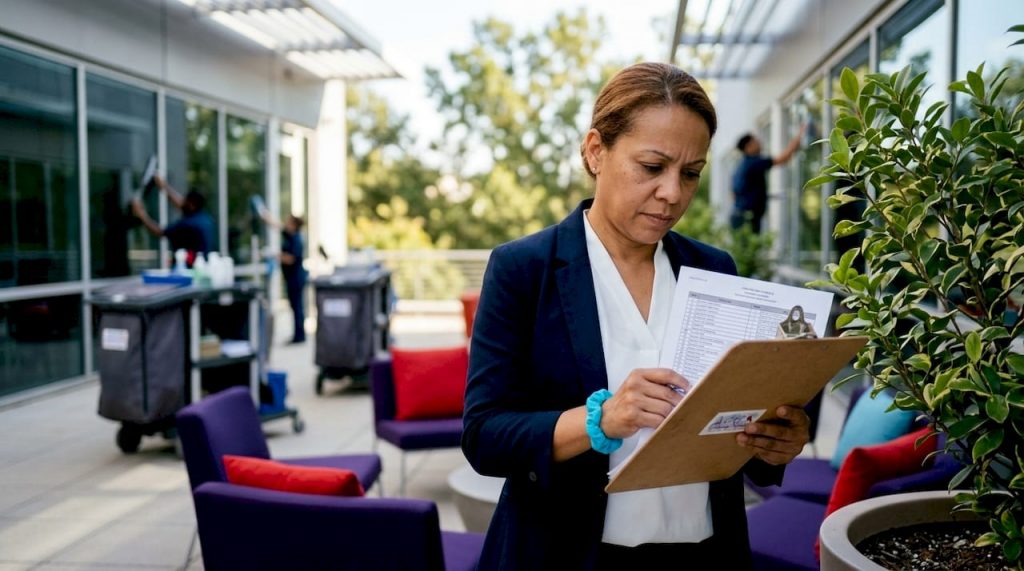
Commercial property cleaning best practices are defined as structured, scalable maintenance programs that combine frequency-tiered scheduling, zone-based protocols, and proactive quality control to protect property value, satisfy tenants, and meet regulatory standards. The industry recognizes these programs under the broader term “facilities maintenance management,” and both terms apply throughout this guide. OSHA 29 CFR 1910 sets the baseline for workplace sanitation, while CDC guidelines and EPA Safer Choice standards shape product selection and disinfection protocols. Property managers who treat cleaning as a fixed operational system rather than a reactive task see measurable gains in health inspection scores, tenant retention, and cost control. E and R Cleaning Solutions works with commercial clients to build exactly these kinds of structured programs.
1. Commercial property cleaning best practices start with a tiered frequency schedule
The single most effective structural decision in any cleaning program is assigning tasks to the right frequency tier. Tiered frequency schedules organize work into daily, weekly, monthly, and quarterly layers, each targeting a different category of soil and wear.
Daily tasks cover high-touch surfaces, restrooms, trash removal, and entryway floors. These areas accumulate bacteria and debris fast enough that skipping even one day creates visible and measurable health risks. Weekly tasks address grime that daily cleaning misses. Weekly dusting, baseboard cleaning, and detailed restroom scrubbing preserve surfaces and prevent the kind of buildup that requires expensive remediation later. Monthly tasks focus on deep floor care, interior glass, and supply room organization. Quarterly and annual tasks cover specialty work: HVAC vent cleaning, carpet extraction, and exterior pressure washing.
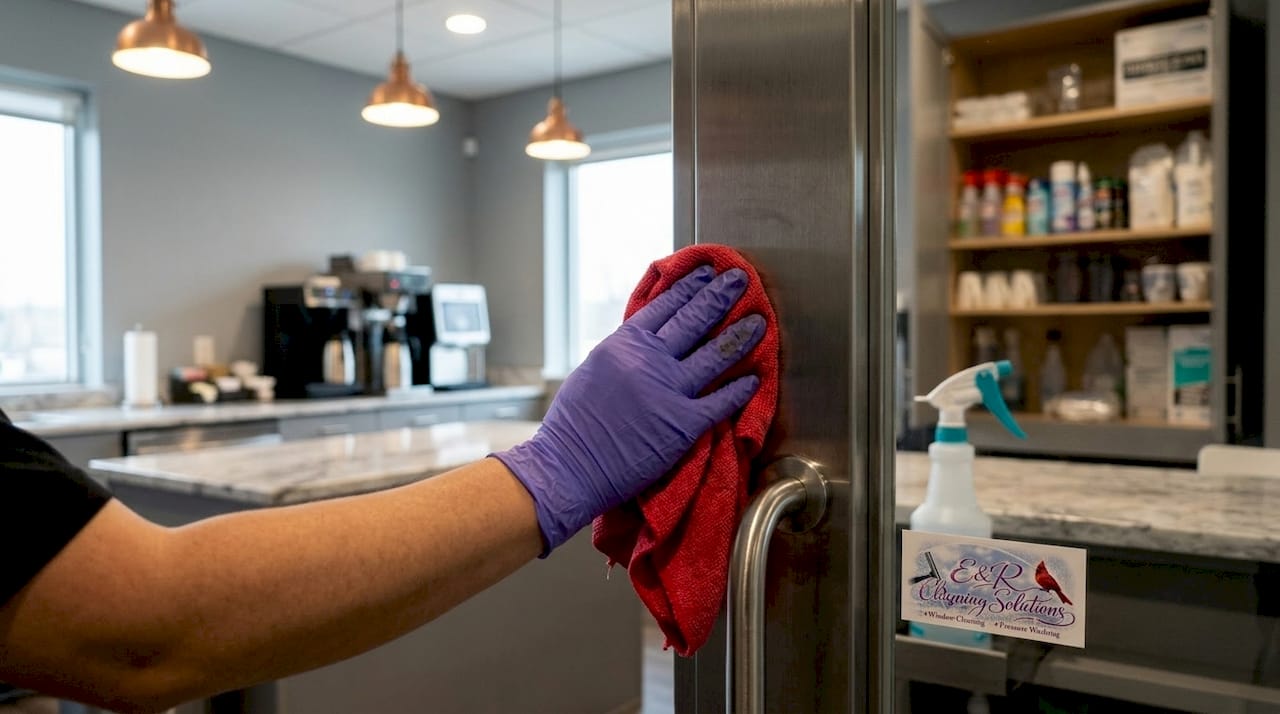
Pro Tip: Align your cleaning cadence with actual traffic data. A conference room used twice a week does not need daily deep cleaning. A lobby with 500 daily visitors does. Map usage zones first, then assign frequencies.
2. Zone your building before writing a single cleaning protocol
System design through zoning is the step most facility managers skip, and it is the one that causes the most waste. Zoning means dividing your property by traffic level, use type, and soil load before assigning any cleaning method or frequency.
A practical zoning framework for commercial properties works as follows:
- Zone A: High-traffic, high-soil areas. Restrooms, lobbies, food service areas, and loading docks. These require the tightest cleaning frequencies and the strongest certified products.
- Zone B: Moderate-traffic areas. Open office floors, conference rooms, and corridors. Daily light cleaning plus weekly detail work covers most needs.
- Zone C: Low-traffic areas. Storage rooms, server closets, and utility spaces. Monthly cleaning is typically sufficient.
- Zone D: Exterior surfaces. Parking lots, building facades, and windows. Quarterly pressure washing and periodic window cleaning maintain curb appeal and prevent surface degradation.
Accurate floor measurements and room mapping prevent staff under-allocation and reduce scope creep over time. A zone map also gives you a defensible baseline when auditing vendor performance or adjusting contracts.
Pro Tip: Label your zone map with both cleaning frequency and the specific method required per zone. “Lobby: daily mop with neutral pH cleaner” is more useful than “lobby: clean daily.”
3. Build a scope of work that leaves no room for interpretation
A well-defined scope of work is the foundation of successful vendor management. Without one, disputes over what was or was not cleaned are inevitable, and quality degrades silently over time.
Your scope of work document should specify:
- Every task by name, location, and frequency
- The appearance standard expected after each task (e.g., “no visible streaks on glass,” “grout lines free of discoloration”)
- The cleaning products approved for use, including any Green Seal or EPA Safer Choice certifications required
- Inspection methods and the schedule for formal quality checks
- The corrective action process when standards are not met
Selecting a vendor based on qualifications and transparent pricing produces better long-term outcomes than choosing the lowest bid. A vendor who cannot explain their staffing model, product choices, or inspection process will cost more in rework and complaints than the money saved upfront. Reviewing how cleaning services are evaluated gives property managers a practical framework for vendor assessment.
4. Use the seven-step cleaning sequence to eliminate rework
Most cleaning inefficiency comes from doing tasks in the wrong order, not from doing them slowly. The seven-step cleaning sequence solves this: trash removal, high dusting, damp wiping of surfaces, restocking of supplies, dry sweeping, quality inspection, and final mopping.
The logic is straightforward. Dust falls during high dusting, so mopping last prevents re-soiling floors you already cleaned. Restocking happens before mopping so staff are not tracking footprints back through wet areas. Inspection happens before mopping so any missed surfaces can be addressed without re-wetting the floor. This sequence applies to any zone and scales from a single office suite to a multi-building campus.
Facilities that assign dedicated cleaning teams rather than rotating staff see significantly better results. Dedicated teams improve cleaning quality by 34% compared to rotating staff models. Consistency of personnel in a zone builds familiarity with the space and faster identification of problems.
5. Implement digital checklists and photo documentation for accountability
Paper logs do not create accountability. They create the appearance of accountability. Digital checklists tied to specific zones and time stamps give facility managers real data on what was cleaned, when, and by whom.
Photo documentation adds a second layer. Before-and-after photos of high-risk areas like restrooms, kitchens, and entryways create a visual record that protects both the property manager and the vendor. When a tenant complaint arrives, the response time drops from days to hours because the data already exists.
Real-time communication tools reduce complaint resolution from the industry average of 5–7 days to under 24 hours. That is not a marginal improvement. It saves facility managers 3–4 hours of administrative work per week and directly improves tenant satisfaction scores. Digital supply monitoring also prevents restroom stockouts, which are among the most common and avoidable tenant complaints in commercial properties.
6. Apply deep cleaning protocols on a defined schedule, not just when problems appear
Daily janitorial work maintains surface appearance. Deep cleaning addresses what daily work cannot reach: grout lines, upholstery fibers, HVAC vents, kitchen hood filters, and subfloor areas under heavy furniture. Waiting until problems are visible means the damage is already done.
Critical areas for scheduled deep cleaning include:
- HVAC vents and air returns: Dust accumulation here circulates allergens through the entire building. Clean quarterly at minimum.
- Grout and tile: High-moisture areas like restrooms and kitchens develop mold in grout within weeks without periodic scrubbing.
- Upholstered furniture: Lobbies and waiting areas accumulate skin cells, dust mites, and odors that surface vacuuming does not remove.
- Kitchen hoods and exhaust systems: NFPA 96 sets cleaning frequency requirements based on cooking volume. Non-compliance creates fire risk and fails health inspections.
- Exterior windows and facades: Commercial windows require specialized cleaning methods that remove hard water deposits and oxidation without damaging coatings.
One critical detail most cleaning programs get wrong: disinfectant dwell time. Wiping a surface immediately after spraying a disinfectant renders it ineffective. The product must remain wet on the surface for the full label-specified contact time to kill pathogens. This is non-negotiable for restrooms, food prep areas, and any space subject to health inspections.
Pro Tip: Post dwell time requirements on the inside of supply closet doors in each zone. Staff who see the requirement at the point of use follow it more consistently than those who read it once during training.
Using Green Seal-certified and EPA Safer Choice labeled products during deep cleaning cycles satisfies health and safety standards while reducing chemical exposure for both staff and building occupants.
7. Establish a quality control loop with corrective action built in
Quality control is not an audit. An audit happens after problems accumulate. A quality control loop catches deviations before they become complaints. The difference is timing and structure.
A functional quality control loop includes scheduled inspections at defined intervals, a scoring rubric tied to the appearance standards in your scope of work, a documented corrective action process with response time requirements, and a tenant feedback channel that feeds directly into the inspection cycle. When an inspection score drops below threshold, the corrective action process triggers automatically. No waiting for a complaint. No negotiating over whether the problem exists.
Tenant communication is part of quality control, not separate from it. Proactively notifying tenants about scheduled deep cleaning, temporary access restrictions, or product changes builds trust and reduces reactive complaints. A digital tracking program in one retail property improved health inspection scores from 78% to over 94% within 60 days. The mechanism was not better cleaning products. It was better accountability and faster response.
Key Takeaways
Effective commercial property cleaning requires structured frequency tiers, zone-based protocols, clear vendor scopes, and digital accountability systems working together as a single program.
| Point | Details |
|---|---|
| Tiered frequency scheduling | Assign daily, weekly, monthly, and quarterly tasks based on traffic and soil load per zone. |
| Zone-based protocols | Map your building by use and traffic before writing any cleaning procedure or vendor contract. |
| Scope of work clarity | Define tasks, appearance standards, approved products, and corrective actions in writing before signing any vendor agreement. |
| Digital accountability | Use digital checklists and photo documentation to cut complaint resolution from days to hours. |
| Dwell time compliance | Disinfectants must remain wet on surfaces for the full label-specified time to be effective. |
What I’ve learned after years of watching cleaning programs fail
Most cleaning programs fail at the design stage, not the execution stage. Facility managers spend time evaluating vendors when the real problem is that they have not defined what success looks like. A vendor cannot meet a standard that has not been written down.
The second pattern I see constantly is treating cleaning as a cost to minimize rather than a system to manage. When budgets tighten, cleaning frequency is usually the first thing cut. But deferred cleaning creates compounding costs: surface degradation, tenant complaints, failed inspections, and eventually emergency remediation that costs far more than the cleaning cycles that were skipped.
The third issue is over-reliance on labor hours as a proxy for quality. More hours does not mean better cleaning. System design, including zoning, task sequencing, and product selection, determines outcomes. A well-designed program with fewer hours outperforms a poorly designed one with more. The data on dedicated teams versus rotating staff makes this point clearly: consistency and familiarity with a space matter more than raw headcount.
My recommendation is to treat your cleaning program the way you treat any other operational system. Set measurable standards, inspect against them regularly, and adjust based on data rather than complaints.
— Richard
How E and R Cleaning Solutions supports your commercial cleaning program
E and R Cleaning Solutions brings over five years of hands-on experience serving property managers and commercial clients who need reliable, transparent service without the guesswork of vague contracts.
Their team builds cleaning programs around your property’s specific zones, traffic patterns, and compliance requirements. Window cleaning and pressure washing are handled with the kind of attention to detail that shows up in before-and-after results, not just invoices. If your building’s exterior glass has hard water deposits or your concrete surfaces need restoration, E and R Cleaning Solutions delivers documented results at honest pricing. Learn more about commercial window cleaning and how a tailored approach protects your property’s appearance year-round.
FAQ
What is the standard cleaning frequency for commercial restrooms?
Commercial restrooms in high-traffic buildings require daily cleaning at minimum, with multiple service visits per day in facilities with heavy use. OSHA 29 CFR 1910 mandates sanitary workplace conditions, which most compliance officers interpret as at least once-daily restroom service.
How do I choose a commercial cleaning vendor without overpaying?
Evaluate vendors on qualifications, staffing models, and their ability to produce a detailed scope of work. Choosing the lowest bid without reviewing these factors typically results in higher costs from rework, complaints, and contract disputes.
What does a commercial cleaning scope of work include?
A scope of work lists every task by name, location, and frequency, along with appearance standards, approved products, inspection methods, and corrective action procedures. Without these elements, vendor accountability is nearly impossible to enforce.
How often should commercial buildings schedule deep cleaning?
Most commercial properties benefit from quarterly deep cleaning of high-risk areas like restrooms, kitchens, and HVAC systems, with annual deep cleaning for upholstery, carpet, and exterior facades. NFPA 96 sets specific requirements for kitchen exhaust systems based on cooking volume.
Does digital tracking actually improve cleaning outcomes?
A retail property using digital tracking improved health inspection scores from 78% to over 94% within 60 days. Complaint resolution time dropped from 5–7 days to under 24 hours, with facility managers saving 3–4 hours of administrative work per week.