
How Algae Spreads on Rental Properties (and How to Stop It)
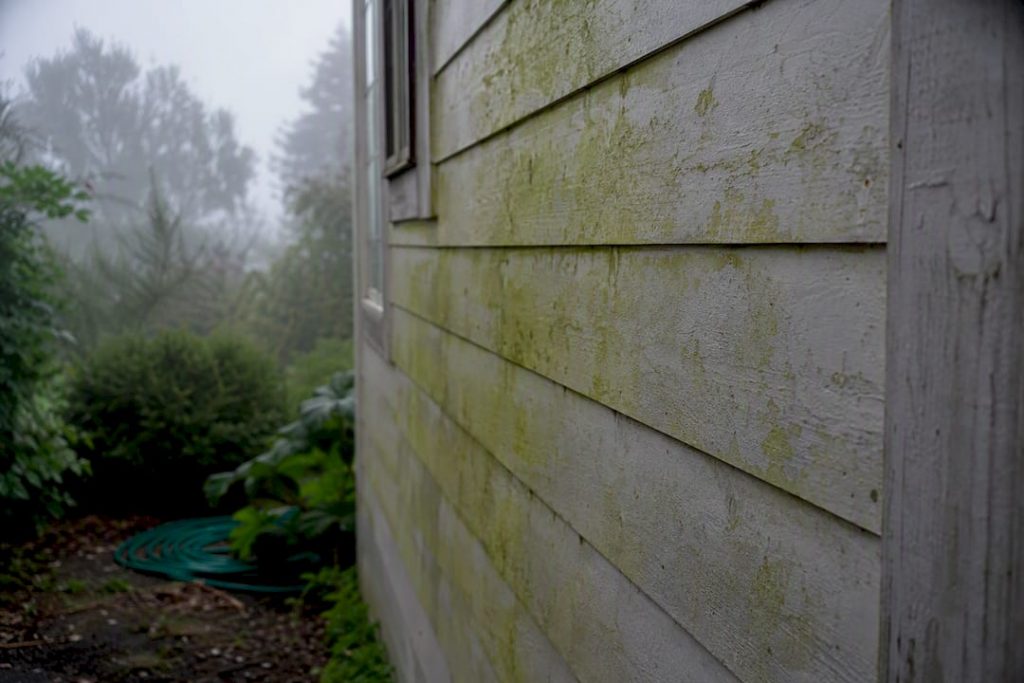
Algae spreads on rental properties through airborne spores that settle on damp, slow-drying surfaces and feed on the moisture and nutrients they find there. On roofs, the culprit is usually a Gloeocapsa-like cyanobacteria that thrives on limestone filler in asphalt shingles; on ponds and landscape features, nutrient runoff drives the bloom. In humid regions, cleaned surfaces can show visible recolonization within 18 to 36 months if the moisture source never gets addressed.
Do these three things in the next 72 hours:
- Stop the source. Clear the gutter, fix the drip line, or redirect the sprinkler head feeding the damp spot.
- Document it. Photograph the location, size, and pattern before anyone touches it.
- Match the fix to the surface. Soft wash for shingles and siding, mechanical skimming for pond mats, and only reach for an algaecide when the situation calls for it.
Pro Tip: If the growth is in a pond or water feature tenants can access, treat it as a possible cyanobacteria situation until proven otherwise. The EPA’s research on cyanotoxins is a good reference point, and E and R Cleaning Solutions can help you sort cosmetic roof streaking from something that needs faster action.
Key Takeaways
Algae spreads on rental properties through airborne spores and nutrient-rich moisture, and stopping the moisture source matters more than any single cleaning treatment.
| Point | Details |
|---|---|
| Identify the type first | Roof film, filamentous pond mats, and cyanobacteria each need a different removal approach and carry different risks. |
| Spores travel by air and animals | Birds and wind carry spores between properties, so shared equipment needs sanitizing between jobs. |
| Streaks can signal leaks | A localized band near a joint or window paired with interior dampness calls for a moisture inspection, not just cleaning. |
| Prevention beats repeat cleaning | Fixing drainage, gutters, and shade cuts recurring algae cycles more reliably than treatment alone. |
| Match the method to the surface | Soft wash for shingles and siding, mechanical removal for pond mats, and E and R Cleaning Solutions can assess which your property needs. |
Table of Contents
- What Types of Algae Show Up on Rental Properties?
- How Does Algae Spread Across a Property?
- Is It Cosmetic Algae or a Sign of Water Intrusion?
- Best Practices for Preventing Algae Growth
- What’s the Safest Way to Remove Algae?
- How Often Should You Inspect for Algae?
- How Do You Talk to Tenants About Algae?
- When Should You Call a Professional?
- What Property Managers Get Wrong About Algae
- Get a Professional Algae Assessment Without the Guesswork
- Sources
What Types of Algae Show Up on Rental Properties?
Most landlords run into one of three categories. Surface film and black streaks are the roof problem: cyanobacteria colonies that feed on shingle filler and spread as vertical streaking on shaded slopes. Filamentous algae forms thread-like mats on ponds and shaded hardscape, and it floats to the surface as trapped oxygen builds up in the strands, according to the Missouri Department of Conservation. Cyanobacteria blooms in standing water carry actual toxin risk for tenants and pets.
The category determines your response. Roof film needs a soft wash, not a pressure washer. Filamentous mats need physical removal. Suspected cyanobacteria needs caution and possibly a water test before anyone lets a dog near it.
- Take one close-up photo of the growth texture and one wide shot showing its position on the structure.
- Keep both in your maintenance file for contractor quotes and insurance records.
Pro Tip: A close-up plus a context shot from 15 to 20 feet away gives a contractor everything needed to quote the job without a site visit.
How Does Algae Spread Across a Property?
Four pathways move algae from one spot to the next: airborne spores drifting onto damp surfaces, rain-driven runoff and splash carrying spores and nutrients downhill, birds and wildlife tracking material between roosting spots, and contaminated tools moving spores between units. The Royal Horticultural Society notes that algae spores travel easily on air currents and animal movement, which is why a bloom on one building can show up on a neighboring structure within a season.
Certain spots on a property act as accelerants. Watch for:
- Shaded, north-facing roof slopes that stay wet longer after rain
- Gutters and roof valleys where debris traps moisture
- Splash zones directly beneath downspouts
- Porous concrete steps and walkways under tree canopy
- Pond edges where runoff enters from landscaped beds
If you manage more than one property and share crews or equipment between them, sanitize tools between jobs. Rinse blades, brushes, and pressure washer wands, then wipe contact surfaces with a disinfectant and let it sit for the manufacturer’s stated dwell time, typically several minutes, before rinsing again.
Pro Tip: Skipping equipment sanitation between properties is how a manager unknowingly seeds algae onto a building that never had a problem before.
Is It Cosmetic Algae or a Sign of Water Intrusion?
Not every streak is a cleaning job. Check the pattern first: cosmetic algae usually shows as diffuse streaking across a wide shaded area, while a localized band at one spot, especially near a window, joint, or wall base, points to something wetter underneath.
Watch for these flags:
- The same spot returns within weeks of cleaning
- Interior staining or a damp patch lines up with the exterior growth
- Debris is trapped against the surface, blocking normal drainage
- The streak follows a straight line matching a flashing seam or window frame
Any of these should trigger a moisture inspection, sometimes with an infrared scan, before you schedule a routine cleaning. Cleaning over an active leak just buys you a repeat visit in a few months.
Best Practices for Preventing Algae Growth
Prevention beats repeat cleaning cycles, and the return on effort follows a clear order.
- Fix drainage and grading first. Standing water against a foundation or a downspout dumping onto a walkway is the single biggest driver of recurring growth.
- Clean gutters on a schedule. Clogged gutters back water up under shingles and keep roof edges wet far longer than the rest of the surface.
- Trim overhanging vegetation. Cutting back branches over roofs and walkways lets sun and airflow dry surfaces faster.
- Repair flashing and seals at penetrations. Vent pipes, chimneys, and skylights are common entry points for the moisture that feeds growth.
- Reduce fertilizer near ponds and water features. Oregon State Extension recommends buffer planting and limiting nutrient runoff as the primary defense against blooms, ahead of any chemical treatment.
Cost scales with the fix. Gutter cleaning runs a modest, recurring expense; regrading a yard or replacing flashing is a bigger one-time capital cost that pays off by cutting cleaning frequency for years. A property that gets routine soft-wash maintenance avoids the accelerated granule loss and shortened shingle life that untreated streaking causes.
Pro Tip: A 10 to 20 foot buffer of dense planting between a lawn and a pond intercepts fertilizer-laden runoff before it reaches the water, according to Texas A&M Extension, and it works better than any treatment applied after the bloom starts.
What’s the Safest Way to Remove Algae?
The removal method has to match the surface, and getting it wrong causes damage that costs more than the algae did.
| Method | Best For | Key Caution |
|---|---|---|
| Soft wash (low-pressure chemical) | Asphalt shingles, siding | Preferred over high pressure, which strips protective granules |
| Mechanical raking or skimming | Filamentous pond mats | Labor intensive; dispose of biomass away from the watershed |
| Copper-based algaecide | Ponds with active blooms | Can harm fish and may worsen cyanotoxin release in a cyanobacterial bloom |
| Dye or shading | Ornamental ponds | Slows regrowth by limiting light, not a removal method on its own |
| High-pressure DIY washing | Not recommended for shingles | Voids some roof warranties and shortens shingle lifespan |
Copper algaecides can work quickly, but extension researchers treat them as one piece of an integrated plan, not a standalone fix. If you pull filamentous mats by hand, dump the material below the pond’s watershed so decaying nutrients don’t wash back in and restart the bloom, per the Missouri Department of Conservation.
- Photograph before and after every treatment
- Keep the product label and safety data sheet on file
- Wear gloves and eye protection when handling any biocide, and keep pets and tenants off treated surfaces until dry
One EPA lab study found that adding glucose to lake water cut microcystin toxin formation by 80 to 90 percent in flask tests, but the agency is clear this is experimental, not a field-ready fix. Nutrient reduction remains the durable answer. Read more on safe pressure washing between tenancies if you’re weighing DIY against a contractor.
How Often Should You Inspect for Algae?
Build inspection into your maintenance calendar rather than waiting for a tenant complaint.
- Humid regions: check roofs and gutters every 6 to 12 months.
- Temperate or dry regions: an annual check usually catches problems early enough.
- Ponds and water features: inspect seasonally, especially before and after peak growing months.
At each visit, record:
- Location and estimated size of any growth
- Photos from the same angle each time
- Suspected source (drainage, shade, fertilizer runoff)
- Treatment performed, if any
- Next follow-up date
A single log line might read: “North roof valley, 4×6 ft streak, soft-washed 6/2/26, recheck 12/2026.” Keep before-and-after photos and product labels together with your lease files. That record backs you up on both tenant questions and insurance claims.
How Do You Talk to Tenants About Algae?
A short, factual message heads off most tenant alarm: explain that the growth is usually cosmetic, ask them to avoid contact with any pond scum or standing water, and give a realistic timeline for cleaning.
Document as you go:
- Photograph the issue before you notify the tenant and again after treatment
- Log the date of the tenant report and your response
- Ask for cooperation where needed, like moving a car or clearing a balcony planter before a crew arrives
Liability shifts when algae signals a maintenance failure rather than a cosmetic issue. A leaking penetration or clogged drain that caused the growth is on you to fix, not just clean. If there’s any interior dampness lining up with exterior growth, get a moisture inspection before you close the ticket.
When Should You Call a Professional?
Bring in a contractor when the streaking covers a large section of roof, when the same spot keeps coming back despite cleaning, when interior dampness lines up with exterior algae, or when a pond has visible scum that might be cyanobacterial.
Before you hire, ask:
- Do you use soft wash or high pressure on shingles?
- Can you provide product names and safety data sheets for any biocide?
- Do you install zinc or copper strips to prevent regrowth?
- Can you show proof of insurance and recent references?
Pro Tip: Save every contractor’s pre-job photos and written quote. Comparing two or three side by side, even for a repeat vendor, catches scope gaps before the work starts. For help vetting a provider, see this contractor onboarding checklist.
What Property Managers Get Wrong About Algae
Most crews see the same pattern on repeat: a landlord pressure washes a roof once, the streak looks gone, and it’s back within a year because nobody touched the shade or the drainage causing it. Soft washing with proper dwell time and a metal strip at the ridge solves the recurrence problem that a one-time power wash never will.
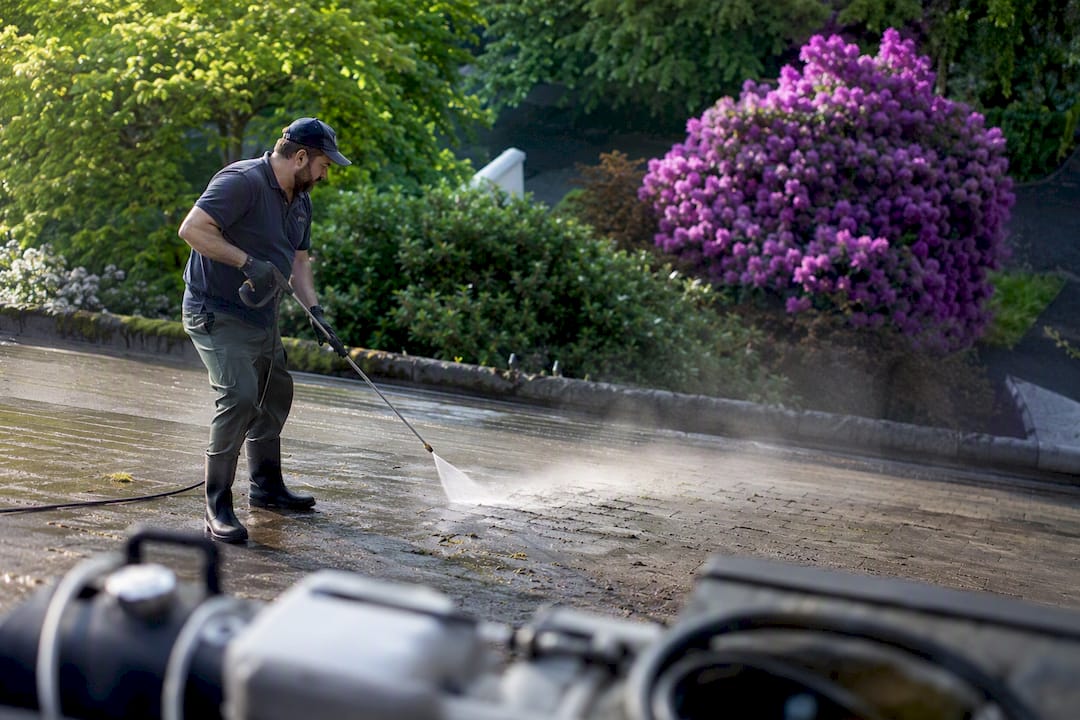
The biggest mistake is treating algae as a single event instead of tying it to lease turnover. Check roofs and hardscape at every move-out, before a new tenant moves in, not just when someone complains.
Get a Professional Algae Assessment Without the Guesswork
E and R Cleaning Solutions handles the two things that actually stop algae from coming back: matching the removal method to the surface, and telling you honestly whether the fix is a $150 soft wash or a bigger drainage repair. That’s different from a flat-rate pressure washing outfit that runs the same high-pressure setup on every job regardless of what it does to your shingles or siding.

Before your quote call, have three things ready: photos of the affected area from both close and wide angles, access details for the crew (gate codes, tenant scheduling), and any history of past treatments or leaks in that spot. In return, expect a written scope of work, the product names and safety data sheets for anything applied, a timeline, and a firm cost estimate rather than a rough guess. Start with a soft-wash and pressure washing quote and get the assessment on the calendar before your next tenant turnover.
Sources
- Managing and controlling algae in ponds (Texas A&M Extension)
- Algae control (Missouri Department of Conservation)
- Preventing algal blooms: ‘Pinch of sugar’ (EPA Science Matters)
- Best defense against algae blooms: prevention (Oregon State Extension)
- Pond algae and blanket weed (Royal Horticultural Society)