
Seasonal Property Maintenance Cleaning Tasks: Full Guide
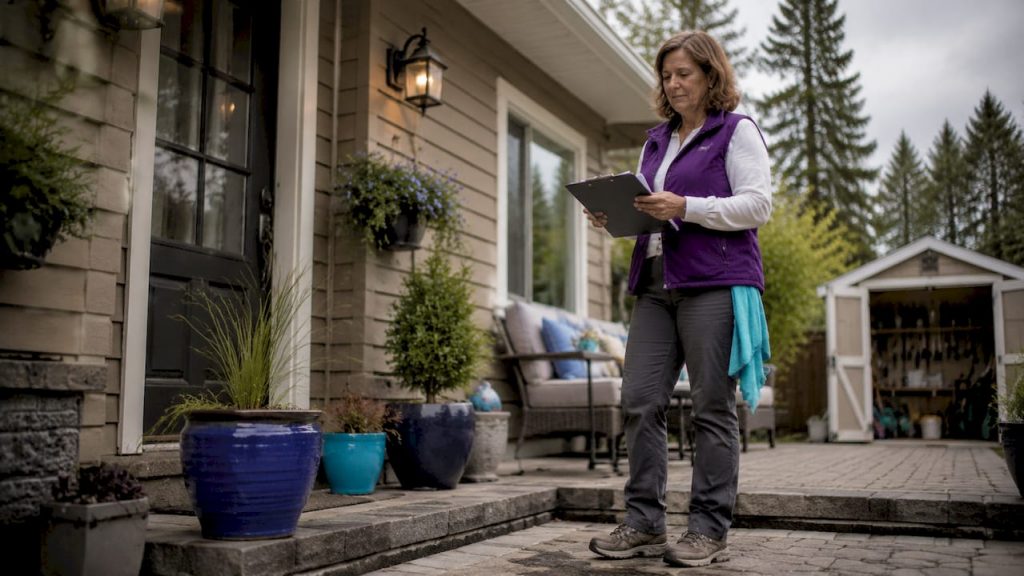
Seasonal property maintenance cleaning tasks are scheduled, quarterly actions that protect a property’s appearance, function, and long-term value. Property managers and homeowners who skip these tasks risk emergency repair costs up to 10 times higher than routine maintenance. That gap is the core argument for building a recurring property maintenance cleaning schedule. This guide covers every season, with specific tasks, timing, and cost context so you can plan and act with confidence.
1. Essential spring cleaning tasks for property upkeep
Spring is the most critical season for exterior inspections and cleaning. Winter leaves behind debris, moisture damage, and grime that accelerate deterioration if left unaddressed.
- Gutters and downspouts. Clear out leaves, twigs, and compacted debris from fall and winter. Blocked gutters force water against the fascia and foundation, which causes rot and water intrusion.
- Roof inspection. Roof inspections cost $150–$350 and catch missing shingles, cracked flashing, and ice dam damage before spring rains turn small issues into expensive leaks.
- Power washing exterior surfaces. Power washing siding, decks, and walkways removes accumulated grime and prevents mold growth. DIY costs nothing beyond equipment rental; professional service runs up to $300 depending on scope.
- Window cleaning. Spring is the right time to clean windows inside and out. Salt residue, hard water marks, and winter grime reduce natural light and degrade seals over time.
- Foundation and basement check. Freeze-thaw cycles crack concrete and mortar. Walk the perimeter and look for new cracks, efflorescence, or damp spots in the basement.
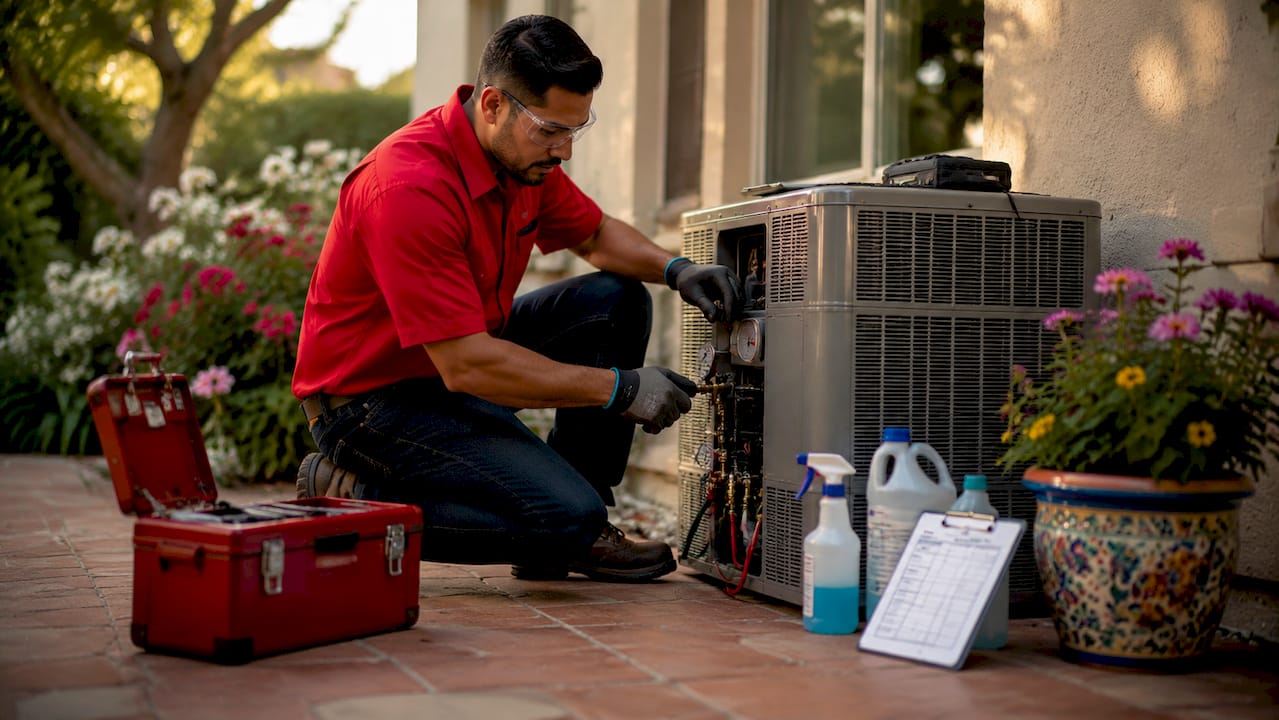
- HVAC switchover. Service the cooling system before summer demand peaks. Scheduling early locks in lower rates and confirms the system is ready before temperatures climb.
Pro Tip: Book HVAC service in april or may. HVAC service costs rise 25% during july and august when demand peaks. Scheduling early saves money and avoids the wait.
2. Summer cleaning tasks to protect property condition
Summer maintenance focuses on safety, pest prevention, and protecting surfaces from heat and heavy use. These tasks are shorter in scope than spring but carry real consequences if skipped.
- Dryer vent cleaning. Lint buildup in dryer vents is a leading cause of residential fires. Clean the full duct run, not just the exterior cap.
- Patio and deck power washing. Pollen, bird droppings, and dust accumulate fast in summer. A clean deck surface also reveals wood rot, loose boards, or cracked concrete before they become safety hazards.
- Landscaping and tree trimming. Overgrown branches touching the roof or siding create moisture traps and pest entry points. Keep vegetation at least 18 inches from the structure.
- Attic ventilation check. Poor attic airflow in summer drives up cooling costs and creates conditions for mold. Confirm soffit and ridge vents are clear and unobstructed.
- Smoke and CO detector testing. Test every unit and replace batteries. Detectors older than 10 years need full replacement.
- Irrigation system servicing. Check heads for clogs, misalignment, and leaks. A single broken head can waste hundreds of gallons per week and damage landscaping.
Measuring HVAC output air temperature is a reliable performance check. A temperature difference below 20°F between intake and output air signals refrigerant loss or a maintenance issue that needs attention before the hottest weeks arrive.
3. Key fall tasks to prepare your property for winter
Fall maintenance is time-sensitive. Once temperatures drop below freezing, several tasks become dangerous, impossible, or far more expensive.
- Gutter cleaning, twice. Clean gutters in mid-september after early leaf fall, then again in november after the bulk of leaves drop. Ice dams form when clogged gutters trap water that freezes at the roofline.
- Furnace servicing. Furnace service costs $80–$150. Delaying service into november means longer wait times and higher rates as demand spikes.
- Chimney and fireplace inspection. A certified chimney sweep removes creosote buildup and checks the flue liner. Creosote is the primary cause of chimney fires.
- Sealing drafts. Inspect weatherstripping around every exterior door and caulk around window frames. Gaps let cold air in and heated air out, raising energy bills immediately.
- Water heater flush. Sediment buildup reduces efficiency and shortens the unit’s lifespan. Flush the tank and inspect the anode rod annually in fall.
- Plumbing insulation. Wrap exposed pipes in unheated spaces like garages, crawl spaces, and exterior walls. A burst pipe causes thousands of dollars in water damage.
- Carpet and rug deep cleaning. Fall is the right time to deep clean carpets before windows close for winter. Trapped allergens and moisture in carpet fibers worsen indoor air quality during sealed-up months.
Pro Tip: Schedule all fall maintenance tasks before the first hard freeze, typically in october for most northern states. Contractors book up fast once cold weather arrives, and some tasks simply cannot be done safely in freezing temperatures.
Effective property maintenance cleaning schedules integrate inspections with cleaning tasks. That combination catches small issues before they become costly repairs.
4. Winter maintenance tasks to safeguard against cold weather damage
Winter tasks are mostly about monitoring, safety, and preventing damage from ice and cold. The goal is to catch problems early and keep the property safe for occupants.
- Ice dam monitoring. Ice dams form when heat escapes through the roof and melts snow that refreezes at the eaves. Professional ice dam removal costs $0–$400 depending on severity. Ignoring them leads to leaks, insulation damage, and interior water stains.
- Walkway and driveway clearing. Remove snow and ice promptly after each storm. Use calcium chloride or sand instead of rock salt near concrete, which accelerates surface spalling.
- Sump pump testing. Pour water into the pit to confirm the float triggers the pump. A failed sump pump during a winter thaw causes basement flooding.
- Ceiling fan reversal. Switch ceiling fans to clockwise rotation at low speed. This pushes warm air pooled at the ceiling back down into the living space, reducing heating load.
- Outlet and switch plate insulation. Electrical outlets on exterior walls are common draft sources. Foam gaskets behind the cover plates cost under $10 and reduce heat loss noticeably.
- Emergency kit check. Confirm the property has working flashlights, fresh batteries, a battery-powered radio, and basic first aid supplies. Power outages during winter storms are common in many regions.
Addressing winter issues proactively costs a fraction of reactive repairs. A sump pump replacement runs $150–$400. A flooded basement costs thousands to remediate.
5. Why a rental property cleaning schedule attracts and keeps tenants
Tenants treat property cleanliness as a direct signal of how a landlord manages the property. A clean, well-maintained exterior and interior reduces vacancy periods and attracts tenants who take better care of the space.
The role of seasonal cleaning for properties goes beyond appearance. Professional deep cleaning of kitchens and bathrooms between tenants reduces maintenance requests during the first 90 days of tenancy. Fewer maintenance calls mean lower operating costs and higher net returns.
Tenants also notice details beyond legal minimums. Clean windows, fresh caulking, and functioning fixtures all factor into leasing decisions. A property that looks cared for commands stronger rental rates and shorter vacancy windows.
Recurring exterior cleaning contracts benefit property managers specifically. Bundled pricing, scheduled service dates, and reduced tenant disruption make these contracts a practical tool for managing multiple units without constant coordination.
Key takeaways
A recurring seasonal cleaning schedule is the single most effective way to prevent emergency repair costs and protect long-term property value.
| Point | Details |
|---|---|
| Preventive maintenance saves money | Emergency repairs cost up to 10 times more than scheduled maintenance tasks. |
| Spring and fall are highest priority | These seasons require the most tasks and set the property up for summer and winter. |
| HVAC timing matters | Book service before peak season to avoid a 25% price surge in july and august. |
| Professional cleaning retains tenants | Deep cleaning between tenants reduces maintenance requests and improves rental returns. |
| Integrate inspections with cleaning | Catching small issues during routine cleaning prevents costly repairs later. |
What I’ve learned from years of watching properties age
Most homeowners and property managers treat maintenance as something to do when something breaks. That mindset is expensive. The properties I’ve seen hold their value best are the ones where the owner treats cleaning and inspection as the same task, not two separate events.
The biggest mistake I see is skipping gutter cleaning in november. Everyone does the september clean and feels good about it. Then the rest of the leaves fall, the gutters clog again, and the first freeze creates ice dams that cost hundreds to remove and sometimes thousands in interior damage. Two gutter cleanings in fall is not optional. It is the minimum.
Window cleaning is another task that gets deprioritized. Hard water deposits and salt residue do not just look bad. They etch glass over time and degrade the seal around the frame. Once that seal fails, you are looking at fogged glass and drafts that no amount of caulk fully fixes. Seasonal window cleaning is maintenance, not cosmetics.
The other thing I tell every property manager: schedule professional exterior cleaning on a recurring contract. You get better pricing, you get priority scheduling before the busy season, and your tenants see a property that is actively maintained. That perception alone reduces complaints and turnover.
— Richard
Professional seasonal cleaning services from E and R Cleaning Solutions
Property managers and homeowners who want consistent results without the coordination headache turn to professional exterior cleaning services.

E and R Cleaning Solutions specializes in professional window cleaning and pressure washing for residential and commercial properties. Their recurring service contracts align directly with seasonal checklists, so your property gets cleaned at the right time every year. With over five years of experience serving homeowners and property managers, E and R Cleaning Solutions delivers honest pricing and thorough results, including removal of stubborn stains and hard water marks that DIY methods miss. Contact E and R Cleaning Solutions to schedule your seasonal exterior cleaning and keep your property in top condition year-round.
FAQ
What are seasonal property maintenance cleaning tasks?
Seasonal property maintenance cleaning tasks are scheduled quarterly actions targeting gutters, windows, exterior surfaces, HVAC systems, and structural components. They prevent damage, reduce repair costs, and maintain property value across all four seasons.
How often should gutters be cleaned as part of a seasonal schedule?
Gutters need cleaning at least twice in fall, once in mid-september and again in november, plus once in spring. This prevents ice dams in winter and water damage during spring rains.
Does professional cleaning actually improve rental returns?
Professional deep cleaning between tenants reduces maintenance requests during the first 90 days of tenancy, which lowers operating costs and supports stronger rental rates.
When is the best time to schedule HVAC servicing?
Schedule HVAC servicing in spring before june. Service costs rise 25% during july and august when demand peaks, and early service confirms the system is ready before summer heat arrives.
What exterior cleaning tasks should be done every spring?
Spring exterior cleaning covers power washing siding, decks, and walkways, cleaning windows inside and out, clearing gutters, and inspecting the roof. These tasks remove winter residue and prevent mold and structural damage.