Commercial Concrete Cleaning for Businesses: 2026 Guide
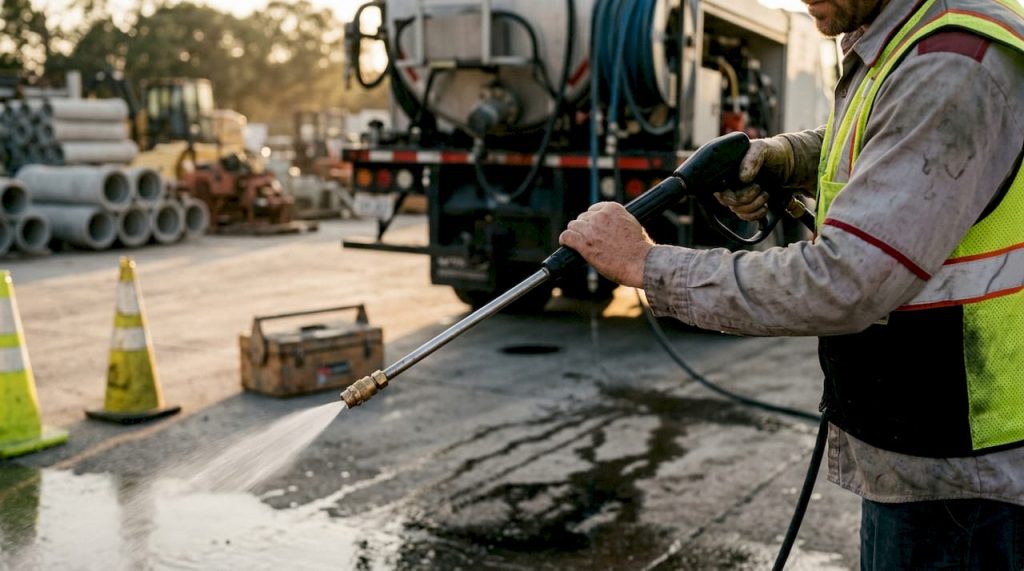
Commercial concrete cleaning is the professional process of removing dirt, stains, oil, and contaminants from concrete surfaces in commercial and industrial environments to preserve appearance, safety, and functionality. For business owners and facility managers, understanding what is concrete cleaning for businesses means recognizing it as a core maintenance practice, not an optional upgrade. Commercial concrete areas include parking lots, building exteriors, warehouse floors, and sidewalks. Each surface faces different soiling challenges, from tire marks and rust to grease and efflorescence. The right cleaning method protects your investment, keeps surfaces safe, and keeps your property looking professional.
What is concrete cleaning for businesses and how does it work?
Commercial concrete cleaning is the systematic removal of contaminants from concrete surfaces using pressure washing, chemical cleaners, mechanical scrubbing, or a combination of all three. The industry standard for surface preparation before coating is defined by ASTM D4258, which covers methods including broom cleaning, vacuum cleaning, air blasting, water cleaning, detergent washing, and steam cleaning. That standard exists because the wrong method for the wrong surface causes damage, not just poor results.
Pressure washing is the most common method for outdoor commercial concrete. PSI settings for commercial concrete typically range from 2,000 to 4,000 PSI depending on surface condition and soil type. Sidewalks and building exteriors generally need less pressure than heavily soiled loading docks or parking structures.
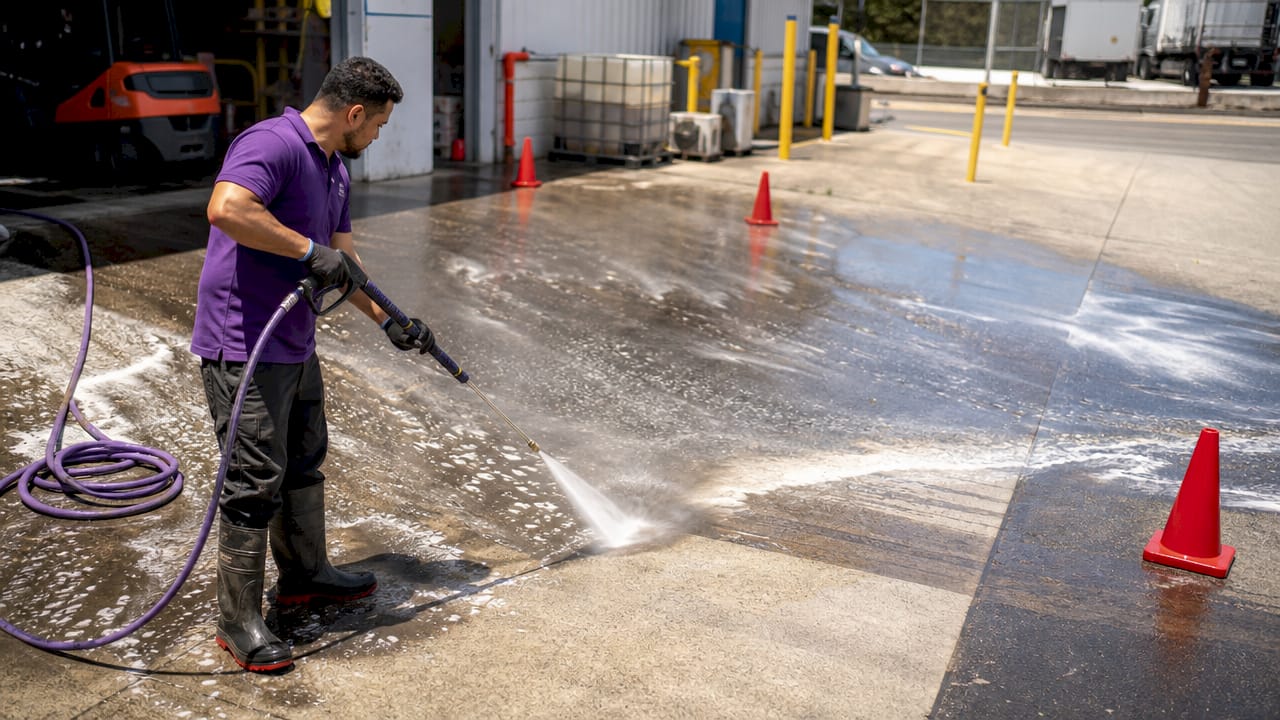
Chemical cleaners handle what water pressure alone cannot. Products like PROSOCO DailyKlean handle routine maintenance, while heavy-duty formulas tackle rust, oil, and efflorescence. Mechanical scrubbing with industrial floor scrubbers is the standard approach for warehouse and indoor concrete floors.
| Method | Best Use | Cost Level | Surface Risk |
|---|---|---|---|
| Pressure washing | Outdoor sidewalks, parking lots | Low to moderate | Low if PSI is correct |
| Chemical cleaners | Stains, rust, efflorescence | Moderate | Moderate if misapplied |
| Mechanical scrubbing | Indoor warehouse floors | Moderate to high | Low with proper equipment |
| Steam cleaning | Grease-heavy surfaces | High | Low |
Pro Tip: Always test any chemical cleaner on a small, inconspicuous area before full application. Strong solutions can etch concrete if the concentration or dwell time is wrong.
How do environmental and safety regulations affect commercial cleaning?
Environmental compliance is not optional for commercial concrete cleaning. Pressure washing rinse water is classified as non-stormwater discharge under the Clean Water Act and requires proper containment and permitting. Allowing contaminated wash water to flow into storm drains exposes your business to significant fines and liability.
Proper wash water management means collecting runoff, using berms or vacuum recovery systems, and disposing of contaminated water through an approved drain or hauler. Facilities near waterways face stricter requirements under National Pollutant Discharge Elimination System permits. Checking with your local municipality before any large-scale exterior cleaning project is the right first step.
Worker safety adds another layer of requirements. Key protections include:
- PPE: Chemical-resistant gloves, eye protection, and non-slip footwear are required when handling concrete cleaners.
- Chemical handling: Read Safety Data Sheets for every product. PROSOCO Heavy Duty Concrete Cleaner, for example, requires pressure water rinsing and carries etching risk at strong concentrations.
- Equipment operation: Pressure washing equipment at commercial PSI levels requires operator training to prevent surface damage and injury.
- Dust control: Industrial concrete cleaning must prioritize dust suppression before any wet cleaning to protect air quality and reduce slip hazards.
Pro Tip: The most common compliance mistake is skipping wash water containment on small jobs. Regulators do not distinguish between a full parking lot wash and a single sidewalk cleaning when it comes to discharge rules.
Facilities that skip dust control before wet cleaning create a muddy slurry that clogs floor drains and worsens air quality. Address dry particulate first, every time.
What are the best concrete cleaning solutions for commercial use?
Selecting the right product is the single most important decision in any commercial concrete cleaning project. Matching product strength to soil level prevents surface damage and maximizes cleaning effectiveness. Using a heavy-duty acid-based cleaner on lightly soiled concrete is as problematic as using a maintenance cleaner on heavy rust stains.
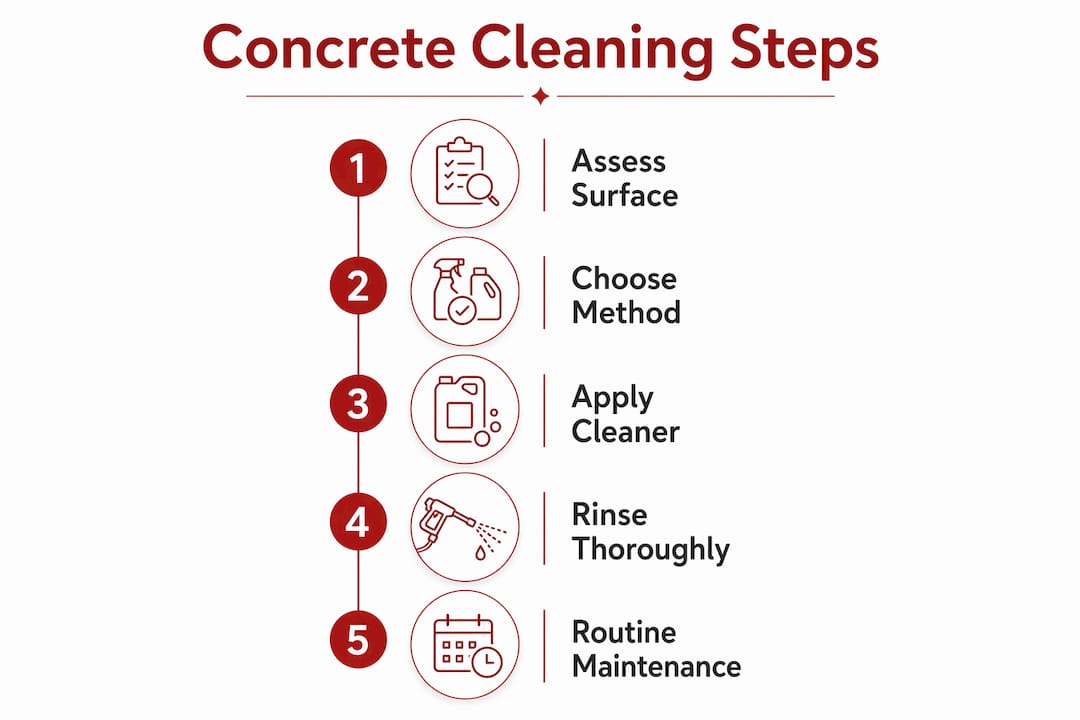
PROSOCO DailyKlean is an EPA Safer Choice recognized product designed for routine maintenance cleaning. It removes common soiling without rinsing and maintains concrete shine without harsh chemicals. That EPA Safer Choice designation matters for facilities with workers present during cleaning or with drainage near sensitive areas.
PROSOCO Heavy Duty Concrete Cleaner handles rust, efflorescence, and embedded stains. Coverage ranges from 300 to 700 square feet per gallon depending on dilution and surface porosity. The shelf life is three years unopened, making it practical for facilities that clean seasonally.
| Product Type | Best For | Key Consideration |
|---|---|---|
| Maintenance cleaner (DailyKlean) | Routine soiling, daily or weekly use | No rinse required; EPA Safer Choice |
| Heavy-duty cleaner | Rust, efflorescence, deep stains | Requires pressure rinse; test for etching risk |
| Degreaser | Oil and grease on loading docks | Check drain compatibility before use |
| Neutral pH cleaner | Polished or sealed concrete floors | Preserves sealers and coatings |
Application method matters as much as product selection. Dilution ratios, dwell time, and rinsing requirements vary by product and surface. Strong chemical solutions can etch concrete if left too long or applied at full concentration. Pilot testing on a small section is standard practice in commercial operations.
Pro Tip: For indoor warehouse floors, choose EPA Safer Choice certified products whenever possible. Workers are present longer in enclosed spaces, and chemical exposure accumulates faster indoors than outdoors.
How should businesses maintain concrete surfaces long term?
Long-term concrete maintenance for businesses is built on frequency, not intensity. Regular light cleaning prevents the heavy buildup that requires restorative treatments. A facility that sweeps and spot-cleans weekly will rarely need acid washing or grinding.
Recommended cleaning frequency by space type:
- Retail storefronts and sidewalks: Pressure wash monthly during high-traffic seasons; quarterly at minimum annually.
- Parking lots and structures: Deep clean twice per year; spot-treat oil stains within 48 hours of occurrence.
- Warehouse and industrial floors: Sweep with dust-controlled equipment daily; scrub weekly or biweekly depending on traffic.
- Building exteriors: Clean annually; inspect for efflorescence or biological growth after wet seasons.
- Loading docks: Degrease monthly; pressure wash quarterly.
Signs that a surface needs restorative cleaning rather than routine maintenance include visible rust staining, white efflorescence deposits, embedded tire marks that do not respond to standard pressure washing, and surface pitting or discoloration. Catching these signs early prevents the need for grinding or full surface replacement.
Choosing the right cleaning frequency and using EPA-certified maintenance products reduces the need for heavy restoration cleaning. That translates directly to lower long-term maintenance costs and a longer concrete lifespan.
When selecting professional concrete cleaning services, look for contractors who carry liability insurance, understand local discharge regulations, and use commercial-grade equipment. A contractor who cannot explain their wash water containment plan is a compliance risk for your facility.
Pro Tip: Add concrete cleaning to your facility’s written maintenance plan with specific dates and assigned responsibility. Verbal agreements and informal schedules are the leading reason commercial concrete deteriorates faster than it should.
Key Takeaways
Commercial concrete cleaning protects business properties by combining the right method, the right product, and a consistent maintenance schedule to prevent costly surface damage.
| Point | Details |
|---|---|
| Method selection matters | Match pressure washing, chemical cleaners, or scrubbing to the surface type and soil level. |
| Regulatory compliance is required | Wash water from pressure washing is regulated under the Clean Water Act and requires proper containment. |
| Product strength must fit the job | EPA Safer Choice products like PROSOCO DailyKlean suit routine use; heavy-duty cleaners require pilot testing. |
| Dust control comes first | Remove dry particulate before wet cleaning to protect air quality and prevent drain clogs. |
| Frequency prevents restoration costs | Regular light cleaning eliminates the need for expensive restorative treatments over time. |
Why concrete cleaning is more than a cosmetic decision
Most business owners think about concrete cleaning when a surface looks bad. That is the wrong trigger. By the time concrete looks visibly stained or deteriorated, the surface has already been compromised for months, sometimes years.
The facilities I have seen with the best-maintained concrete are not the ones with the biggest cleaning budgets. They are the ones with a written schedule and a clear product protocol. They use a maintenance cleaner like PROSOCO DailyKlean weekly and call in pressure washing equipment for quarterly deep cleans. They never let oil stains sit past 48 hours.
The environmental piece is where I see the most overlooked risk. Facility managers focus on the visible result and forget that wash water running into a storm drain is a regulatory violation. One complaint from a neighbor or a routine municipal inspection can turn a $300 cleaning job into a $5,000 compliance problem.
My honest advice: treat concrete maintenance the same way you treat HVAC servicing. Schedule it, document it, and use the right products for the right job. The cost of prevention is always lower than the cost of restoration.
— Richard
Eandrcleaningsolutions: professional concrete cleaning for your property
Eandrcleaningsolutions brings over five years of commercial and residential concrete cleaning experience to business owners and facility managers who need reliable results without the guesswork of managing it themselves.

Whether you need a one-time deep clean for a parking lot or a recurring maintenance program for a commercial property, Eandrcleaningsolutions handles the full scope, from wash water containment to the right chemical selection for your surface type. The team uses commercial-grade pressure washing equipment and EPA-recognized cleaning products to protect your concrete and stay compliant with local regulations. Honest pricing and transparent communication are standard on every job. Visit Eandrcleaningsolutions to get a quote or learn more about available commercial cleaning services.
FAQ
What does commercial concrete cleaning include?
Commercial concrete cleaning covers the removal of dirt, oil, rust, efflorescence, and biological growth from surfaces like parking lots, sidewalks, warehouse floors, and building exteriors using pressure washing, chemical cleaners, or mechanical scrubbing.
How often should a business clean its concrete surfaces?
Retail sidewalks and storefronts need pressure washing at least quarterly, while warehouse floors require weekly dust control and biweekly scrubbing. Parking lots and loading docks need deep cleaning at least twice per year.
Is pressure washing concrete regulated for businesses?
Yes. Pressure washing rinse water is classified as non-stormwater discharge under the Clean Water Act, requiring proper containment and disposal to avoid fines and permit violations.
Can chemical cleaners damage commercial concrete?
Strong chemical cleaners can etch concrete if applied at the wrong concentration or left on too long. Pilot testing on a small section before full application is standard practice to prevent surface damage.
What is the best maintenance cleaner for commercial concrete floors?
PROSOCO DailyKlean is an EPA Safer Choice recognized maintenance cleaner that removes routine soiling without rinsing and is safe for workers and the environment during regular use.