
Clean Windows, Faster Leases: A Landlord’s Photo Guide

Clean windows change how rental photos read, full stop. Streaked or grimy glass shows up in listing photos as dull, gray rooms with dark corners; clean glass lets in the natural light that makes the same room look bigger, brighter, and better cared for. Prospective tenants scroll fast, and a listing photo has maybe two seconds to earn a click.
Three things happen when you clean windows before a shoot: rooms photograph brighter because more daylight actually gets through the glass, outside views read clearly instead of hazy, and the whole property signals active upkeep instead of neglect. That last point matters more than owners think.
Before your next shoot, do this:
- Schedule a professional clean 24 to 72 hours before the photographer arrives.
- Wipe down sills and remove visible streaks yourself the morning of the shoot.
- Call in a pro for hard-water spots. They do not come off with glass cleaner and a paper towel.
Key Takeaways
Clean windows directly improve rental listing photos by increasing natural light, sharpening outdoor views, and removing the visible neglect signal that slows down leasing.
| Point | Details |
|---|---|
| Time the cleaning right | Schedule professional cleaning 24 to 72 hours before the photo shoot, never same-day. |
| Know when to hire out | Hard-water stains, upper-story access, and fogged seals all call for a professional, not a squeegee. |
| Photos drive leasing speed | Brighter, clearer photos tend to generate faster inquiries and stronger rent conversations. |
| Protect the glass, not just the photo | Mineral deposits left untreated etch permanently, turning a cleaning job into a replacement bill. |
| Choose a service built for rentals | E and R Cleaning Solutions handles exterior window cleaning and hard-water treatment timed around your listing schedule. |
Table of Contents
- How Window Cleaning Improves Rental Photos, Technically Speaking
- Do Clean Windows Actually Lease Units Faster?
- What Should Happen the Day of the Photo Shoot?
- How Often Should Rental Windows Get Cleaned?
- Should You Clean the Windows Yourself or Hire a Pro?
- Why Regular Cleaning Protects Windows, Not Just Photos
- A Real Before-and-After: What Clean Windows Did for One Listing
- The Morning-Of Checklist for a Photo-Ready Listing
- Timing Window Cleaning Around Your Photographer
- Is Professional Cleaning Worth It Just for Photos?
- For Landlords, Clean Windows Are a Marketing Line Item
- Get Your Windows Photo-Ready With E and R Cleaning Solutions
- Frequently Asked Questions
- Sources
How Window Cleaning Improves Rental Photos, Technically Speaking
Cameras are unforgiving about glass. A phone or DSLR lens picks up smudges, streaks, and haze that the human eye tends to filter out in person. Clean glass changes four specific variables a camera cares about: light transmission, view clarity, reflection control, and color accuracy.
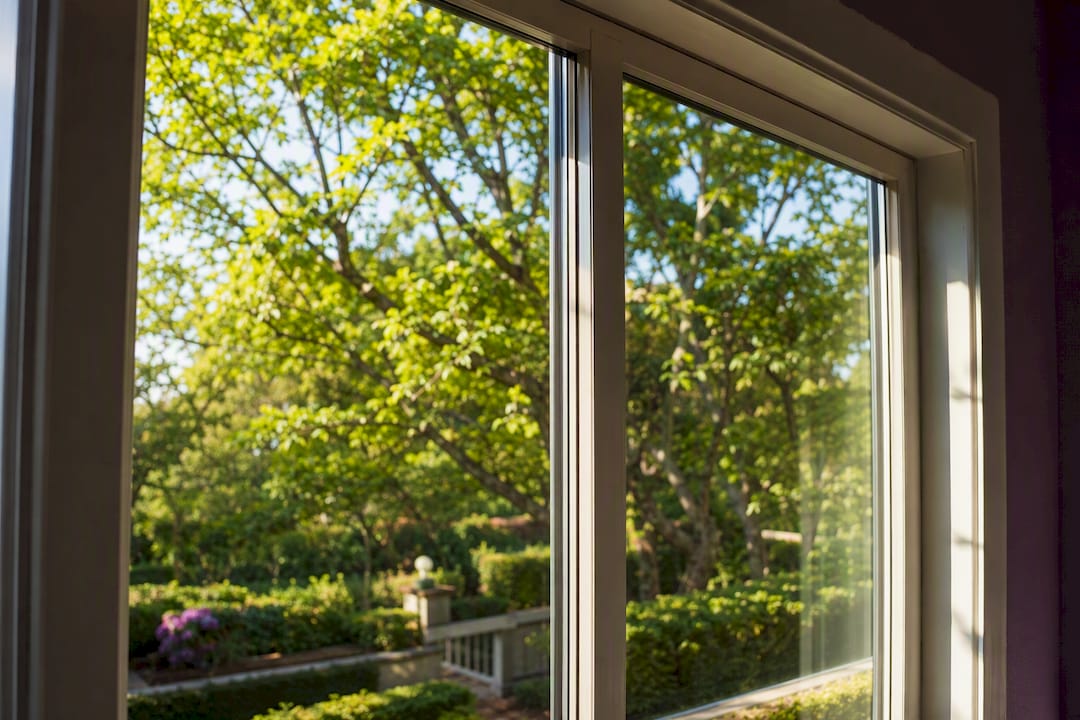
Start with light. Dirty windows scatter and block incoming sunlight, and interiors shot on a dim day already fight for exposure. Clean glass lets more usable light hit the sensor, which brightens a room without cranking up flash or ISO. Clean windows increase natural light transmission, and photographers notice the difference immediately in exposure settings.
Then there’s the view. A hazy window turns a nice backyard or skyline into a smudged gray blob in the background of an interior shot. Clean glass keeps that view sharp, which matters because buyers and renters linger longer on photos with a pleasant, legible outdoor element.
Reflections are the sneaky one. Grime and mineral spots catch light at odd angles and create glare that a camera reads as distracting hot spots. Clean, streak-free glass reflects evenly or not at all, depending on the angle.
- More light transmission: rooms look larger and airier.
- Clearer outside views: less distracting background clutter.
- Fewer reflections: fewer blown-out highlights in the frame.
- Truer color: whites look white instead of yellowed by film buildup.
Pro Tip: Photographers who shoot listings for a living time interior shots for midmorning or midafternoon, avoiding direct backlighting through freshly cleaned windows, which can wash out an otherwise perfect shot.
Do Clean Windows Actually Lease Units Faster?
Better photos do not just look nicer. They change how fast a unit rents and what kind of rent you can defend. Listings with bright, clear photos tend to draw more inquiries in the first 48 hours, which is the window that matters most on most rental platforms, where algorithms favor fresh listings with early engagement.
Clean windows also affect perception at the walkthrough stage, not just online. A property that photographed well and then shows dirty glass in person creates a credibility gap that makes tenants question what else got skipped. Window cleaning removes a visible signal of neglect that otherwise costs landlords prospective tenants and leverage in rent negotiations, even though it does not add a fixed dollar figure to a formal appraisal.
Vacancy math makes the case plainly. National vacancy and turnover data from the U.S. Census Housing Vacancy Survey shows how much income is on the line every extra week a unit sits empty, which is why shaving even a few days off average time-to-lease pays for itself many times over.
Run the numbers yourself:
- A professional exterior clean typically costs far less than one week of lost rent on most units.
- Turnover costs (cleaning, marketing, screening, lost rent) dwarf a routine window service.
- A faster lease signing means fewer days advertising, fewer showings to coordinate, and less staff time spent chasing leads.
What Should Happen the Day of the Photo Shoot?
The cleaning should be finished before the camera ever comes out, but the shoot itself still requires prep. Do these in order:
- Confirm the window cleaning finished at least a day earlier so sills have fully dried.
- Open every blind and curtain to let in maximum natural light.
- Clear sills of plants, mail, and clutter that draws the eye away from the room.
- Walk the exterior and remove anything visible through the glass that looks messy from inside.
For the photographer, a short checklist keeps results consistent across units:
- Avoid shooting directly into the sun through a window; it creates lens flare and blown highlights.
- Shoot exterior shots in the two hours after sunrise or before sunset for the flattering light real estate photographers call the golden hour.
- Bracket exposures (HDR) in rooms where interior light and exterior brightness differ sharply.
Pro Tip: A polarizing filter cuts glare on glass surfaces that even a perfect cleaning job can’t eliminate entirely, especially on south-facing windows at midday.
How Often Should Rental Windows Get Cleaned?
Two schedules matter here, and they’re not the same thing. The marketing schedule says clean windows 24 to 72 hours before a listing shoot. Photographers appreciate that window specifically: clean too close to the shoot and residue or drizzle can still be settling, clean too far in advance and dust or pollen has time to resettle before the camera shows up.
The maintenance schedule is separate: most rental units do well with a professional exterior clean once or twice a year, more often in high-pollen regions or buildings near busy roads.
- Interior windows: usually a tenant responsibility during occupancy, landlord responsibility between tenants.
- Exterior windows: almost always landlord or management responsibility, especially above ground level.
- Cost drivers: unit height, number of panes, screen removal, and whether hard-water treatment is needed all move the price.
Budget rule of thumb: treat a pre-listing window clean as a marketing expense, not a maintenance line item, and schedule it the same way you’d book a photographer.
Should You Clean the Windows Yourself or Hire a Pro?
Run through this before you grab a squeegee:
- Are there visible hard-water rings or cloudy mineral spots on the glass?
- Are any windows above the second story or hard to reach safely from the ground?
- Do any windows show fogging between panes, which signals a failed seal?
- Do you actually have the time before the shoot deadline?
If you answered yes to any of those, hire a professional. DIY window cleaning works fine for light dust on ground-floor glass, but common DIY mistakes, like using the wrong cleaner or bad squeegee technique, leave streaks that show up clearly in photos. Hard-water deposits are worse: scrubbing them with an abrasive pad can scratch glass permanently, turning a cosmetic problem into a costly one.
Ladders and upper-story windows carry real fall risk, and most residential ladders were not designed for repeated exterior glass work. Professional crews carry proper access equipment and insurance for exactly this reason.
Pro Tip: If a window looks clean but still photographs hazy, suspect a failed seal between double panes, not dirt. That’s a repair issue, not a cleaning one.
Why Regular Cleaning Protects Windows, Not Just Photos
Grime on glass does not stay cosmetic forever. Mineral deposits from hard water start as faint rings and, left untreated, bond to the glass surface and etch it permanently. At that point no amount of cleaning restores clarity. You’re looking at glass replacement.
Deferred cleaning is expensive in a way owners rarely calculate until it’s too late. What could have been a routine service call becomes a repair bill once etching sets in or a failed seal goes unnoticed for months.
Watch for these warning signs during any cleaning visit:
- Fogging or haze between double panes (seal failure, not dirt).
- White, ring-shaped mineral deposits that don’t wipe away.
- Rotted or soft window sills, especially on older properties.
- Torn or bent screens that need replacing before photos.
Pro Tip: Bundle every scheduled window cleaning with a quick condition check and ask the crew for a simple photo log of each elevation. It costs nothing extra and gives you an early warning system for repairs.
For a broader maintenance rhythm that pairs with window service, a seasonal property maintenance schedule keeps exterior upkeep from becoming reactive.
A Real Before-and-After: What Clean Windows Did for One Listing
E and R Cleaning Solutions worked a rental unit where the listing had been live for weeks with minimal inquiries. The windows carried visible hard-water spotting from sprinkler overspray, plus a layer of pollen film across every south-facing pane. The owner scheduled an exterior clean with hard-water treatment two days before a re-shoot.
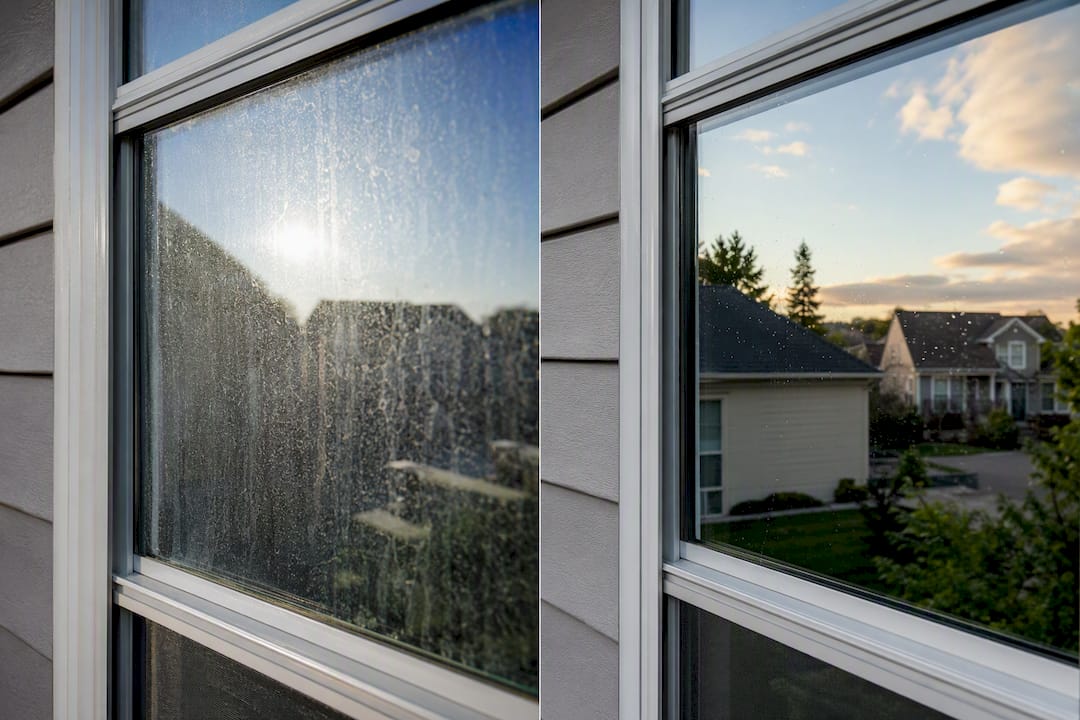
The photos that came back afterward showed noticeably brighter interiors and a clear view of the backyard that had previously read as a gray smear. The owner reported a jump in showing requests within the first few days of the relisting.
Services used: exterior window cleaning plus targeted hard-water mineral treatment on affected panes, no interior work needed since the tenant kept those clean.
- Hard-water spotting removed from south-facing panes.
- Exterior glass and screens cleaned two days ahead of the photo re-shoot.
- Owner documented the before-and-after set for future marketing use.
The Morning-Of Checklist for a Photo-Ready Listing
Run this list the morning the photographer is scheduled:
- Confirm the window cleaning crew finished at least a day prior.
- Open all blinds, shades, and curtains fully.
- Remove everything sitting on windowsills, inside and out.
- Check screens for tears or bends that will show in wide shots.
- Dry any lingering moisture on sills or frames.
A few last-minute fixes go a long way: a lint-free cloth handles a stray fingerprint or dust streak that appeared overnight, and a quick pass with glass cleaner on interior panes catches anything missed. Ask tenants, if the unit is occupied, to avoid touching windows or drying laundry near them the night before.
In multiunit buildings, confirm access to shared hallways or balconies ahead of time, and flag any exterior work that requires lift equipment or scheduling around other residents.
Timing Window Cleaning Around Your Photographer
The single most common mistake owners make is treating window cleaning and photography as two independent tasks scheduled by whoever happens to be available first. They’re not independent. The cleaning has to land in a specific window relative to the shoot, or you lose part of the benefit.
Book the photographer first, then work backward. Schedule the professional window clean for one to three days before the confirmed shoot date, never the same morning. Same-day cleaning risks lingering moisture on sills, drying residue on the glass itself, or a rushed job that misses spots a camera will catch. Too far in advance, and dust, pollen, or rain undoes the work before the camera shows up.

Weather adds a wrinkle. If rain is forecast the day before your shoot, push the cleaning to the day after the rain clears rather than before it, since water spots redeposit fast on freshly cleaned glass. Pollen season complicates outdoor units especially; a clean done more than three days out in high-pollen weeks can already show a light film by shoot day.
Communicate the sequence clearly to everyone involved: property manager, cleaning crew, and photographer should all know the shoot date first, with the cleaning date locked in relative to it, not the other way around. For multiunit properties running several shoots across a week, staggering the cleaning crew’s route to match the photography schedule prevents units from sitting clean-but-unphotographed for too long.
Is Professional Cleaning Worth It Just for Photos?
Break the decision down to what actually affects photo quality, and the math gets simple. DIY cleaning can produce acceptable results on ground-floor, lightly soiled glass with no hard-water buildup. It costs you time and a bottle of cleaner, and if you’re careful with a squeegee, streak-free results are achievable.
Professional cleaning earns its cost back in three specific ways for photo purposes. First, hard-water and mineral deposits genuinely require different tools and chemistry than a spray bottle provides, and DIY attempts often smear rather than remove them, which shows up as haze in photos. Second, upper-story or hard-to-reach windows get skipped or half-cleaned by owners without proper equipment, leaving streaked glass in exactly the windows that show up in the widest, most important listing shots. Third, professional crews finish faster and more consistently across multiple units, which matters when you’re coordinating a shoot date and cannot afford a delay.
The cost comparison in practice: a professional exterior clean on a typical unit runs a fraction of one week’s rent, while a botched DIY job that leaves streaks in photos can cost you a full re-shoot, plus the days a weaker listing sits unrented while you fix it. For a large multiunit building, the math tilts even further toward professional service, since access equipment and safety requirements make DIY impractical past the first floor.
For Landlords, Clean Windows Are a Marketing Line Item
The conventional advice treats window cleaning as housekeeping, something you do because it looks nice. That framing undersells it. The evidence points somewhere more specific: window cleaning is a marketing expense with a measurable return, and it belongs on the same planning calendar as your photographer, not on a someday list.
Where most owners go wrong is sequencing. They clean whenever it’s convenient and shoot photos whenever the photographer is free, never coordinating the two. That’s backward. The photo shoot should set the schedule, and the cleaning should land in the 24 to 72 hour window before it, every time, for every listing.
The other blind spot is treating cleaning as purely cosmetic when it’s also preventive. A crew already on-site for a photo-driven clean can flag a failing seal or a rotting sill before it becomes a repair bill. Owners who bundle a quick inspection into every cleaning visit catch problems months before a tenant complaint forces the issue. Prioritize the coordination first. Everything else on this list follows from getting that timing right.
Get Your Windows Photo-Ready With E and R Cleaning Solutions
E and R Cleaning Solutions books around your listing timeline, not the other way around, so your windows are streak-free and camera-ready in that critical 24 to 72 hour window before your shoot. As a family-run team with over five years serving homeowners, property managers, and small business owners, we handle hard-water treatment, screens, and frames with honest, custom pricing instead of a one-size-fits-all rate card.

If you’re managing a single rental or a full portfolio, our large building window cleaning checklist walks through what a professional service handles on multiunit properties, from access equipment to scheduling around tenants. And if your unit turns over between tenancies, pairing window service with pressure washing between tenancies covers the exterior presentation in one coordinated visit.
Ready to lock in a cleaning date around your next photo shoot? Reach out to E and R Cleaning Solutions for a custom quote and we’ll build the timeline around your listing date.
Frequently Asked Questions
Does window cleaning really make a measurable difference in rental photos?
Yes. Clean glass increases how much natural light reaches the camera sensor and keeps outdoor views sharp instead of hazy, both of which change how bright and spacious a room appears in photos.
How soon before a photo shoot should windows be cleaned?
Aim for 24 to 72 hours before the shoot. Cleaning too close to the shoot risks lingering moisture or residue, while cleaning too far ahead lets dust or pollen resettle.
Can I clean the windows myself before listing photos?
Ground-floor windows with light dust are fine for DIY. Hard-water stains, upper-story access, or fogged seals call for a professional to avoid streaks or damage that show up in photos.
What’s the biggest sign a rental property needs professional window cleaning?
Visible mineral rings, cloudy haze that won’t wipe away, or fogging between panes are the clearest signals. Those issues rarely resolve with standard glass cleaner and a paper towel.
Does clean glass actually affect how fast a unit leases?
Brighter, clearer listing photos tend to draw more inquiries early, and that early engagement window matters on most rental platforms. Clean windows also remove a visible neglect signal that can weaken a landlord’s position in rent negotiations.
Sources
- American Apartment Owners Association — Does Window Cleaning Actually Increase Rental Property Value?
- U.S. Census — Housing Vacancy Survey (HVS) press release/data
- Pella — Benefits of cleaning windows