
Cost Factors for Commercial Exterior Cleaning in 2026
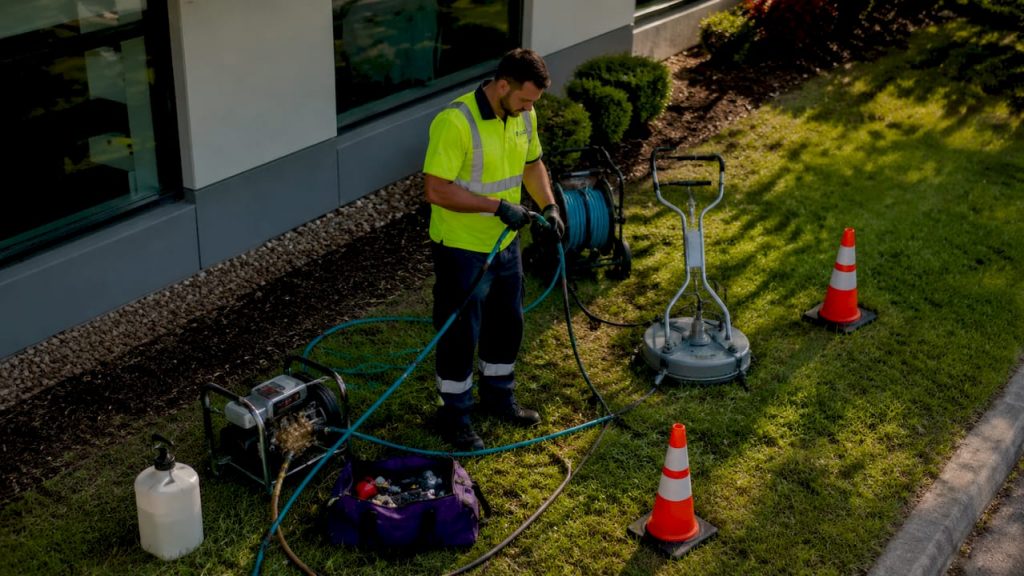
Commercial exterior cleaning costs are determined by surface type, soil level, site accessibility, and environmental compliance requirements. Property managers and business owners who understand these drivers avoid budget surprises and get more accurate exterior cleaning estimates. Commercial pressure washing typically runs $0.15–$0.50 per square foot, meaning a 5,000 sq ft building exterior costs $750–$2,500 and a 10,000 sq ft parking lot runs $1,500–$5,000. The cost factors for commercial exterior cleaning go well beyond square footage alone.
1. How surface type drives commercial exterior cleaning prices
Surface material is the single biggest variable in any exterior cleaning estimate. Brick, stucco, concrete, vinyl siding, and glass each require different methods, chemicals, and equipment. Getting the wrong method wrong does not just cost more money. It causes permanent damage.
Common commercial exterior surfaces and their cleaning implications:
- Concrete and asphalt: High-pressure washing works well. These surfaces handle aggressive PSI without damage.
- Brick and mortar: Requires moderate pressure. High PSI erodes mortar joints over time.
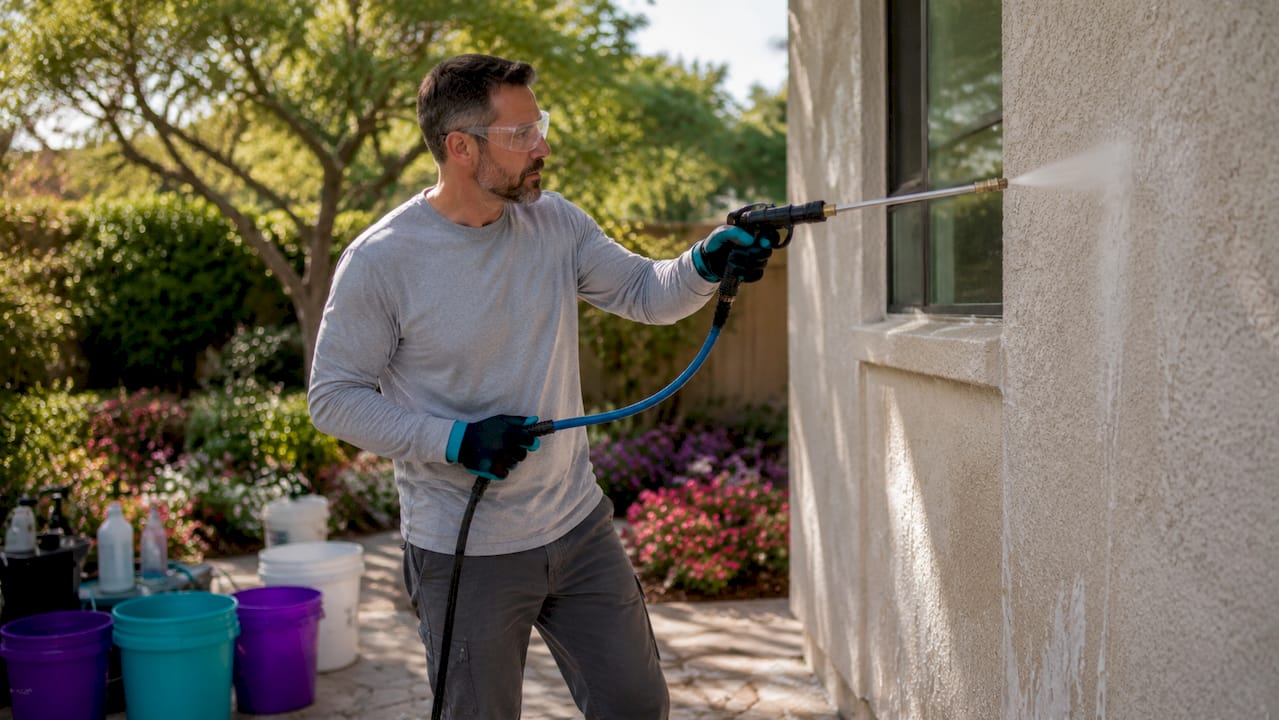
- Stucco: Needs soft washing. High pressure cracks or chips the surface coating.
- Vinyl siding: Soft washing is standard. Pressure washing at the wrong angle forces water behind panels.
- Glass and metal panels: Low-pressure rinse with specialized detergents only.
Soft washing methods cost more than standard pressure washing because they rely on longer chemical dwell times and multiple rinse passes. Porous and delicate surfaces absorb more product and require more labor time per square foot. That gap in cost is real and consistent across the industry.
Pro Tip: Always ask your cleaning contractor to specify the method in writing before signing a quote. “Pressure washing” and “soft washing” carry different price points and different risk profiles for your building.
2. How soil level and cleaning complexity affect your final bill
Soil level affects cost more than square footage because heavy contaminants require more product, more labor, and more time. A lightly soiled building facade cleaned quarterly costs far less per visit than one neglected for two years. The difference is not marginal.
Common soiling types that increase cleaning complexity:
- Oil and grease: Common on loading docks and parking structures. Requires degreasers and agitation.
- Algae and mold: Needs biocidal treatments with extended dwell time before rinsing.
- Rust staining: Demands acid-based treatments and careful neutralization afterward.
- Oxidation and paint chalking: Requires specialty chemicals and multiple passes.
Heavily soiled jobs cost approximately 50–100% more than light maintenance cleaning. That is not a rounding error. A $1,500 routine clean can become a $3,000 deep clean when embedded rust or algae is involved. Multi-pass cleaning with specialized chemicals and agitation increases both labor hours and consumable expenses well beyond a standard rinse cycle.
Scheduling regular maintenance cleaning every 6–12 months is almost always cheaper than paying for a single heavy-soil deep clean. Prevention is the most cost-effective cleaning strategy available to property managers.
3. Accessibility challenges and their impact on cleaning costs
Site accessibility is a cost driver most property owners overlook until they receive the invoice. Elevated surfaces, restricted entry points, and limited water access all add time and equipment to any job. More time and more equipment means higher outdoor cleaning expenses.
Key accessibility factors that increase pricing:
- Elevated work above two stories: Requires boom lifts, scaffolding, or rope access. Each option adds equipment rental and safety compliance costs.
- Water access limitations: When no hose connection is available on site, contractors bring a water tanker. Water tanker fees range from $100–$300 per job.
- Gates and restricted entry: Narrow access points slow equipment movement and increase setup time.
- Traffic control requirements: Busy commercial sites may require cones, flaggers, or off-hours scheduling, all of which add to the final price.
- Hose run distance: Long hose runs from the water source to the work area reduce pressure and slow the crew down.
Site logistics like gates, hose length, and water supply affect setup time and overall cost beyond simple price per square foot. These are not line items contractors invent. They reflect real labor and equipment constraints.
Pro Tip: Before your cleaning crew arrives, clear vehicles from parking areas, unlock all access gates, and confirm an active water connection is available. Removing these obstacles yourself can reduce or eliminate site-access surcharges.
4. Environmental regulations and regional pricing differences
Environmental compliance adds a cost layer that many property owners do not anticipate. Wastewater from pressure washing carries oil, chemicals, and heavy metals. In regulated areas, that water cannot flow freely into storm drains.
Wastewater containment adds $0.05–$0.15 per square foot for regulated discharge areas. On a 10,000 sq ft parking lot, that is an additional $500–$1,500 on top of the base cleaning cost. This applies most often to parking lots, loading docks, and flatwork where runoff is significant.
| Factor | Cost Impact | Notes |
|---|---|---|
| Wastewater containment | +$0.05–$0.15 per sq ft | Required in regulated discharge zones |
| Peak season (spring/fall) | +15–25% above base rate | High demand drives pricing up |
| Urban location premium | +15–25% above regional average | Higher labor costs and logistics |
| Rural or remote sites | Variable travel fees | Distance from contractor base adds cost |
Spring and fall peak seasons and urban locations increase pricing by roughly 15–25%. Scheduling cleaning during off-peak months like january or august can produce meaningful savings. Local labor market conditions also shift rates significantly. A cleaning job priced at $2,000 in a mid-size city may run $2,400–$2,500 in a dense urban market for identical scope.
5. Pricing structures and minimum charges explained
Understanding how contractors price jobs prevents sticker shock on small projects. Three pricing models dominate the commercial exterior cleaning market, and each one suits different job types.
| Pricing Model | Typical Range | Best For |
|---|---|---|
| Per square foot | $0.15–$0.50 per sq ft | Large surface areas with consistent soil |
| Hourly rate | $30–$75 per hour | Complex or irregular surfaces |
| Minimum job fee | $200–$500 flat | Small areas like loading docks or entryways |
Job minimums range from $200–$500 regardless of area size. These fees cover crew mobilization, equipment transport, and basic water and chemical handling. A small loading dock that takes 45 minutes to clean still triggers a minimum charge because the contractor’s setup costs are fixed.
Hourly rates vary from $30–$75 depending on crew size, equipment type, and local labor costs. Travel fees and mobilization charges are often added separately, particularly for sites outside a contractor’s standard service area. Always ask for a full cost breakdown before approving any quote.
Minimum service fees exist to cover crew and equipment setup costs even on low-square-footage projects. They are standard practice, not a negotiating tactic. Budget for them on any job under 1,000 square feet.
Key takeaways
The most reliable way to control commercial exterior cleaning costs is to address soil buildup early, prepare your site before the crew arrives, and request itemized quotes that specify the cleaning method and compliance requirements.
| Point | Details |
|---|---|
| Surface type sets the method | Soft washing costs more than pressure washing and is required for stucco, vinyl, and glass. |
| Soil level drives the biggest cost swings | Heavy contamination like oil, rust, or algae can double your cleaning bill versus light maintenance. |
| Accessibility adds hidden fees | Water tanker fees ($100–$300) and elevated work equipment add real cost beyond square footage. |
| Environmental compliance is a budget line | Wastewater containment adds $0.05–$0.15 per sq ft in regulated areas. |
| Minimum charges apply to small jobs | Expect a $200–$500 floor on any job regardless of size. |
What I’ve learned about budgeting for exterior cleaning
Property managers consistently underestimate two things: soil level and site logistics. I see it repeatedly. A manager gets a quote based on square footage, approves it, and then receives a revised invoice because the crew found embedded oil stains or had to run 200 feet of hose to reach a water connection. Neither surprise is the contractor’s fault. Both are preventable with a proper site walkthrough before quoting.
The other mistake I see is comparing bids purely on price without understanding what each quote includes. One contractor prices soft washing. Another prices pressure washing. The numbers look similar on paper, but the methods and the risk to your building are completely different. Scope clarity matters more than the bottom line number.
Regular maintenance scheduling is the single most effective way to control long-term cleaning costs. A building cleaned every 6–12 months stays in the light-soil category. A building cleaned every three years almost always requires heavy-soil treatment at double the cost. The math is straightforward. The discipline to act on it is what separates well-managed properties from expensive ones.
— Richard
Exterior cleaning services from E and R Cleaning Solutions
Knowing the cost factors is only half the work. Getting an accurate quote from a contractor who accounts for all of them is the other half.

E and R Cleaning Solutions brings over five years of hands-on experience managing the exact variables that shift commercial exterior cleaning prices: surface type, soil level, site accessibility, and wastewater compliance. Their family-run approach means honest, itemized pricing with no hidden fees. Property managers and business owners get a clear breakdown before any work begins. Contact E and R Cleaning Solutions for a tailored exterior cleaning quote that accounts for your building’s specific conditions.
FAQ
What is the average cost for commercial exterior pressure washing?
Commercial pressure washing typically costs $0.15–$0.50 per square foot. A 5,000 sq ft building exterior runs $750–$2,500 depending on surface type, soil level, and site conditions.
Why does soil level matter more than building size?
Heavy contaminants like oil, rust, and algae require more chemicals, longer dwell times, and multiple cleaning passes. This can increase the total cost by 50–100% compared to light maintenance cleaning on the same surface area.
What is a minimum charge in commercial cleaning?
A minimum charge is a flat fee of $200–$500 that covers crew mobilization and equipment setup regardless of job size. Small areas like entryways or loading docks are almost always billed at the minimum rate rather than per square foot.
Does wastewater containment always add to the cost?
Wastewater containment is required in areas with regulated stormwater discharge, particularly for parking lots and flatwork. When required, it adds $0.05–$0.15 per square foot to the base cleaning price.
When is the cheapest time to schedule commercial exterior cleaning?
Off-peak months like january, february, and august typically offer lower rates. Spring and fall are peak seasons that can push prices 15–25% above the base rate due to high demand.